
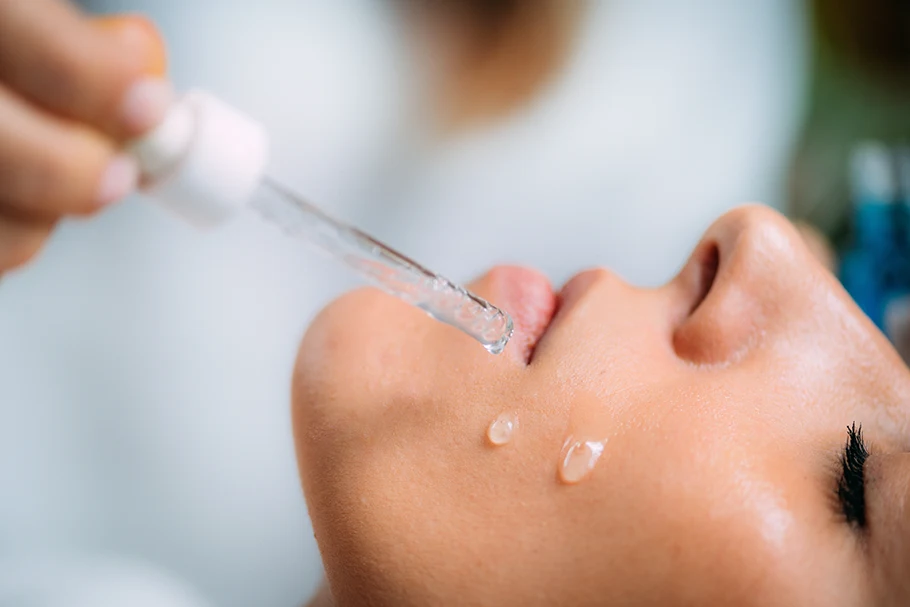
Managing acne long term means sticking to a plan that keeps breakouts under control and prevents them from coming back. It combines daily habits, skincare, treatments, and sometimes doctor help to clear skin and avoid scars.
Start with a simple skincare routine you can do every day. Wash your face twice a day with a gentle cleanser that does not clog pores, called non-comedogenic. Look for products labeled that way to keep oil and dirt from building up[1][3]. Add a topical treatment like benzoyl peroxide or salicylic acid from the drugstore. These unclog pores and fight bacteria that cause pimples[1][2]. For better results, use a retinoid cream at night. Retinoids prevent tiny clogs called microcomedones that lead to new acne. Keep using them even after skin clears up to stop recurrences[2][3].
Be consistent. Skipping your routine even once can let acne flare up again. Exfoliate gently a few times a week to remove dead skin cells, but do not overdo it or you might irritate your skin[3]. Always moisturize with a light, non-comedogenic lotion to keep skin balanced and less oily[6].
Diet and lifestyle play a big role too. Eat a low-glycemic diet with fewer sugary foods and less dairy, as these can trigger hormones that worsen acne[1][2]. Cut back on whey protein if you use it. Manage stress through exercise or sleep, since it affects hormones and inflammation[1][7]. Supplements like zinc or niacinamide might help some people, but check with a doctor first[2].
If over-the-counter options are not enough, see a dermatologist. They can prescribe stronger topicals or oral antibiotics for moderate acne, but limit antibiotics to three or four months to avoid resistance. Pair them with benzoyl peroxide[2]. For women, hormonal treatments like birth control pills or spironolactone target androgen hormones that boost oil production. These offer long-term control with fewer side effects[5]. Severe cases might need isotretinoin, but that is for short-term use under close watch[1].
Professional procedures help stubborn acne. Chemical peels exfoliate skin and reduce scars. Lasers like erbium or diode types kill bacteria, cut oil glands, and smooth texture[1][2][3]. Treatments like HydraFacial or DiamondGlow deep clean without downtime[3]. New options like clascoterone cream reduce sebum, the oil that feeds acne bacteria, for clearer skin without antibiotics[4].
Track what triggers your acne, like certain foods or products. Protect skin from sun with non-comedogenic sunscreen to prevent dark spots[6]. Early treatment lowers scar risk, so adjust your plan with a doctor for ongoing monitoring[6]. Over time, this keeps skin clear and healthy.
Sources
https://www.advanceddermatologypc.com/conditions/acne/
https://www.droracle.ai/articles/649030/what-are-the-treatment-options-for-acne
https://woodlandswellness.com/acne-treatment-9-ways-to-stop-acne-before-it-appears/
https://www.ajmc.com/view/the-tolerable-future-of-acne-treatment-reducing-sebum
https://pmc.ncbi.nlm.nih.gov/articles/PMC12691598/
https://www.fivensondermatology.com/acne
https://www.dermatologytimes.com/view/balancing-pathophysiology-and-patient-lifestyle-in-acne-management-part-2