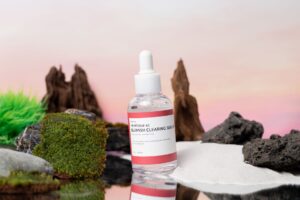
Long Term Acne Management Works by Using a Step by Step Plan That Clears Skin First, Then Keeps It Clear with Simple Daily Care. This Approach Targets What Causes Acne Like Clogged Pores, Bacteria, Extra Oil, and Hormones, While Preventing Breakouts from Coming Back.
Acne happens when pores get blocked by oil and dead skin, letting bacteria grow and cause swelling. Short term fixes like spot creams help right away, but long term management builds a routine that fixes the root problems over months or years. Doctors start with clearing active pimples using a mix of treatments, then switch to maintenance to stop new ones.
For mild acne, topical creams are the base. Benzoyl peroxide kills bacteria without building resistance. Retinoids, made from vitamin A, unclog pores, cut oil, and speed up skin renewal. Use retinoid at night after washing and waiting 20 to 30 minutes for dry skin. Add azelaic acid for redness or dark spots, especially on darker skin tones. Salicylic acid works for some as an over the counter choice if retinoids irritate.
Moderate to severe cases need stronger steps. Triple therapy combines oral antibiotics like doxycycline 100 mg daily with topical retinoid and benzoyl peroxide. This hits bacteria, pores, and swelling at once. Antibiotics go short term to avoid resistance. For women, hormonal options shine in long term control. Spironolactone blocks hormones that boost oil, working better than some antibiotics over six months. Combined oral contraceptives help too by balancing androgens.
Once skin clears, usually in six to eight weeks or a few months, drop antibiotics and keep topical retinoid alone forever. This stops tiny clogs from forming new pimples. Benzoyl peroxide can stay for extra protection. Newer topicals like clascoterone cut oil production directly, starving acne bacteria for lasting results up to a year.
Procedures add support for tough cases or scars. Chemical peels exfoliate and unclog. Light therapies like LED or laser reduce bacteria and redness. Injections shrink big nodules fast. These pair with creams for better outcomes but may need repeats.
Personal factors matter. Busy people do best with simple routines, like one combo gel over many products. Check hormones or diet if acne lingers. Supplements or pro skin care help some. See a dermatologist for custom plans, as ongoing care beats quick fixes.
Sources
https://www.tuftsmedicine.org/about-us/news/acne-over-30
https://www.droracle.ai/articles/606309/what-are-the-treatment-options-for-managing-acne-vulgaris
https://www.carecredit.com/well-u/health-wellness/acne-treatment-cost-and-dermatology-financing/
https://woodlandswellness.com/acne-treatment-9-ways-to-stop-acne-before-it-appears/
https://pmc.ncbi.nlm.nih.gov/articles/PMC12691598/
https://www.dermatologytimes.com/view/balancing-pathophysiology-and-patient-lifestyle-in-acne-management-part-3
https://www.ajmc.com/view/the-tolerable-future-of-acne-treatment-reducing-sebum
https://herndondermatology.com/services/acne-care
https://doralhw.org/acne-treatment-beyond-topicals-when-to-consider-professional-procedures-2/