# Why Adult Acne Is Frequently Misdiagnosed
Adult acne is a common skin condition that affects millions of people, yet it remains one of the most frequently misdiagnosed problems dermatologists encounter. The confusion stems from the fact that several different skin conditions can look remarkably similar to acne, making it difficult for both patients and healthcare providers to identify the true cause of breakouts.
One of the most commonly misdiagnosed conditions is staph infection, which presents as bacterial folliculitis or impetigo. These infections can appear very similar to acne at first glance, but they require completely different treatment approaches. If someone treats a staph infection like acne, it can actually make the condition worse and delay proper healing.
Rosacea is another condition that frequently gets confused with acne. Rosacea causes small red bumps and facial flushing, which can easily be mistaken for acne breakouts. The problem is that treating rosacea with acne medications can actually worsen the condition and increase inflammation. Because rosacea is often misdiagnosed as seborrheic dermatitis or acne, patients may end up using the wrong skincare products and treatments for months or even years.
Perioral dermatitis is yet another condition that mimics acne. It causes tiny bumps around the mouth, nose, or eyes and is triggered by steroid creams, nasal steroid sprays, irritating skincare products, or even fluoridated toothpaste. Without proper diagnosis, people might treat it like regular acne, which can make it spread and persist longer.
Folliculitis, which involves inflamed hair follicles from sweat, friction, shaving, or yeast, is also frequently confused with acne. The key difference is that folliculitis should not be picked or treated like acne, as this can increase the spread and delay healing.
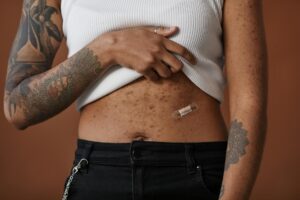
Another condition called traumatic anserine folliculosis is commonly misdiagnosed as comedonal acne. This benign condition is most often caused by frictional trauma to the skin.
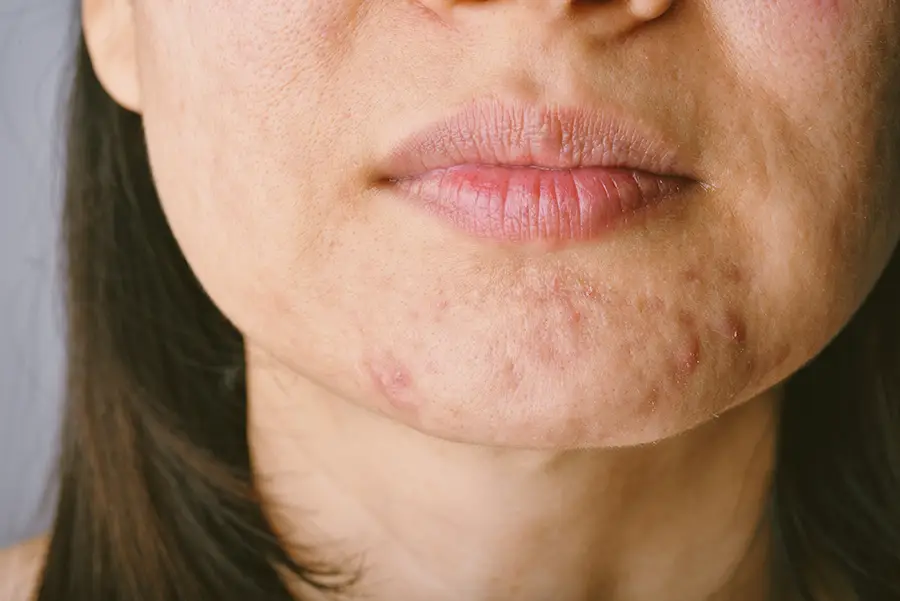
The challenge in diagnosing adult acne correctly lies in understanding what actually causes it. True acne develops when four things happen at the same time: excess oil production, dead skin cells clogging pores, bacteria thriving in the clogged pore, and inflammation. However, adult acne can be triggered by different factors than teenage acne. In adults, hormones remain a major trigger, particularly in women over 25 who experience hormonal acne around the chin and jawline. Stress, certain cosmetics, genetics, diet, and lifestyle factors like sweat and friction also play significant roles.
Because adult acne has multiple possible causes and can look similar to other skin conditions, getting an accurate diagnosis is crucial. A proper diagnosis helps ensure that patients receive the right treatment rather than wasting time and money on products that won’t work or that might even make their skin worse. If you suspect you have acne or any skin condition, consulting with a dermatologist is the best way to get an accurate diagnosis and appropriate treatment plan.
Sources
https://www.cureus.com/articles/430403-traumatic-anserine-folliculosis-a-case-report.pdf?email=