
Why Acne Research Is Finally Accelerating
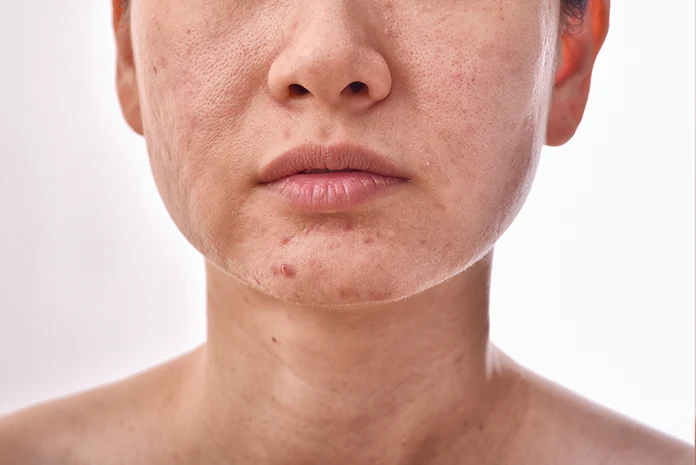
For decades, acne was dismissed as a teenage problem that people would simply outgrow. But that outdated view is changing rapidly. Researchers and companies are now pouring resources into understanding and treating acne like never before, driven by a surprising discovery: acne affects far more adults than anyone expected.
The numbers tell the story. Approximately 45 percent of adults aged 20 to 40 now struggle with acne, transforming it from a condition associated with puberty into a chronic health issue affecting millions of working professionals and parents. This shift has caught the attention of major pharmaceutical companies and skincare brands, who see both a medical need and a massive market opportunity.
The global acne treatment market reflects this growing focus. The market is projected to reach between 8.95 billion and 13.35 billion dollars by 2027, with growth rates around 4.9 percent annually. These numbers represent real investment in research and development that translates into better treatments for patients.
One major driver of acceleration is technological innovation. Companies are developing entirely new ways to deliver acne medications to the skin. Bausch Health created IDP-126, a combination therapy that blends adapalene, retinol, and benzoyl peroxide to tackle both inflammatory and non-inflammatory acne lesions simultaneously. Meanwhile, the FDA approved AviClear in 2022, a laser-based treatment that works for mild, moderate, and severe acne cases. These breakthroughs represent a fundamental shift from one-size-fits-all treatments to targeted solutions.
The ingredient revolution is equally important. Salicylic acid, niacinamide, and retinoids have become industry standards, but researchers are going deeper. Scientists are now exploring how the skin’s microbiome, the community of bacteria and fungi living on our skin, influences acne development. This understanding has led to entirely new product categories like postbiotics and microbiome-balancing serums that work with the skin rather than against it. Companies like P&G and Kao are investing heavily in these microbiome-focused solutions, recognizing this as the next competitive frontier.
Consumer demand is also pushing research forward. People increasingly want clean, transparent skincare products free from parabens and sulfates. About 68 percent of consumers now prioritize ingredient transparency when choosing acne products. This demand has forced companies to innovate with natural formulations and non-comedogenic ingredients, expanding the toolkit available to dermatologists and consumers alike.
The market is also becoming more specialized. For years, acne treatment largely ignored gender differences, but companies are now developing gender-specific formulations. Male acne care products have seen a 42 percent increase in launches over the past three years, addressing a segment that was historically underserved. Similarly, brands are creating specialized products for hormonal acne, sensitive skin acne, and cystic acne, recognizing that one treatment does not work for everyone.
Distribution channels are changing too. Online sales of acne solutions grew by 23 percent in 2023, with direct-to-consumer brands using artificial intelligence to analyze skin and personalize recommendations. This technology allows people to get customized treatment plans without visiting a dermatologist, making acne care more accessible.
Perhaps most significantly, acne is finally being recognized as a chronic condition with real psychological and social impacts. This recognition has motivated the healthcare system to develop comprehensive treatment approaches rather than quick fixes. The approval of Winlevi, the first-in-class topical therapy using clascoterone, demonstrates how this shift is leading to genuinely novel treatments that address acne through new biological mechanisms.
The convergence of adult acne prevalence, technological capability, consumer demand for better products, and recognition of acne as a serious chronic condition has created the perfect environment for research acceleration. What was once considered a minor cosmetic issue is now understood as a significant health concern affecting hundreds of millions of people worldwide. That recognition is driving investment, innovation, and ultimately, better treatments for everyone dealing with acne.
Sources
https://www.intelmarketresearch.com/skincare-s-for-acne-prone-skin-market-22968
https://www.mordorintelligence.com/industry-reports/acne-therapeutics-market
https://www.intelmarketresearch.com/acne-improving-skincare-s-market-22970
https://www.dotandkey.com/blogs/skin-care/2026-skincare-trends
https://pmc.ncbi.nlm.nih.gov/articles/PMC12729506/