How Acne Impacts Quality of Life Long Term
Acne does more than just affect your skin. It can change how you feel about yourself and how you live your daily life for years, even after the spots fade. People with long-lasting acne often deal with emotional pain that sticks around, making everyday activities harder.
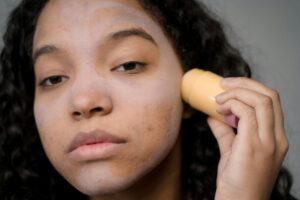
One big issue is the hit to self-esteem. When acne lingers into adulthood, especially for women, it leads to strong worries about looks. This makes them pull back from social events, jobs, or dates. Studies show adult women report higher levels of emotional and social problems from acne than men do. They feel physical discomfort, anger, and a mix of distress that disrupts their personal and work lives.[1]
Depression and anxiety are common side effects. Long-term negative feelings like these can actually make acne worse, creating a cycle. People with acne score lower on social and emotional health compared to those without it. For example, stress from acne raises hormone levels that fuel more breakouts, and poor sleep from worry adds to the problem. Those who move often or face big life changes may see their acne get severe, tying into these emotional struggles.[2]
Social isolation hits hard too. Many avoid photos, parties, or meetings because of appearance fears. In women, this is worse since adult acne tends to stick around and resist treatment. It affects relationships, career choices, and even plans around having kids, as treatments can be tricky then.[1][5]
Daily habits suffer over time. Acne patients often have trouble sleeping, like taking too long to fall asleep or waking up a lot. Environmental shifts, such as moving to polluted areas, can worsen skin through inflammation and stress on the skin barrier, dragging down mood further.[2][4]
Even after treatment starts, the road is long. Doctors note acne management is like a marathon, needing steady effort. Teens and adults alike face irritation from creams, leading some to quit early. But sticking with it, like using hormone therapies for women, can cut spots and boost life quality.[3][5]
These effects build up. What starts as a teen problem can turn into years of lowered confidence, strained ties with others, and habits that limit joy.
Sources
https://www.droracle.ai/articles/575224/are-women-more-socially-and-emotionally-impacted-by-acne
https://pmc.ncbi.nlm.nih.gov/articles/PMC12688717/
https://www.dermatologytimes.com/view/acne-treatment-it-s-marathon-not-a-sprint
https://academic.oup.com/skinhd/advance-article/doi/10.1093/skinhd/vzaf090/8407371?searchresult=1
https://www.dovepress.com/efficacy-and-safety-of-hormonal-therapies-for-acne-a-narrative-review-peer-reviewed-fulltext-article-CCID