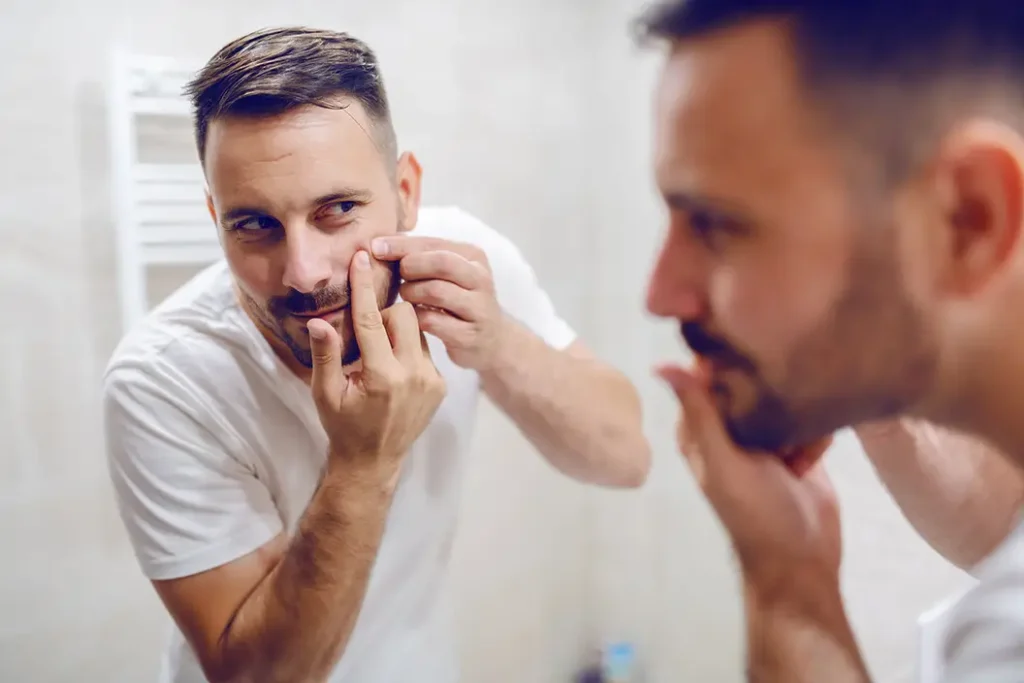
The Global Acne Burden Explained
Acne affects hundreds of millions of people around the world, making it one of the most common skin problems today. It shows up as pimples, blackheads, and cysts, mostly on the face, chest, and back, and hits teenagers hardest but also adults.[1][4]
Experts estimate over 640 million people globally deal with acne right now. In the United States alone, about 50 million people get it each year, with 85 percent of those aged 12 to 24 facing some form of it.[1][4] Recent studies show the problem is getting worse, especially for young women of reproductive age. Data from 1990 to 2021 reveals the acne burden rising in all age groups for women, and it is expected to keep growing through 2040.[2]
Why is acne such a big deal worldwide? It goes beyond looks. Acne causes pain, scars, and emotional stress like low self-esteem and anxiety. Pollution, stress, and changes in diet and lifestyle make it worse in cities.[4][5] In places with young populations, like many countries in Asia, the numbers are huge.[1][3]
Asia-Pacific stands out as the fastest growing area for acne cases and treatments. Countries like China and India lead due to big youth groups, more money for health care, city living, and focus on skin care. North America has the biggest market share now, but Asia is catching up quick.[1][3]
The business side tells the story too. The global market for acne medications hit 11.46 billion dollars in 2024 and should reach 15.1 billion by 2032. Another report puts acne treatments at 9.06 billion in 2025, growing to 11.51 billion by 2030. This boom comes from more people knowing about skin health, new drugs like clascoterone cream, and demand for over-the-counter options and combo therapies.[1][3]
Challenges slow things down. Antibiotic resistance is a growing worry since many treatments use them. Rules for approving new drugs are tough, and issues like benzene in some benzoyl peroxide products led to recalls in 2025.[1][2] Still, new ideas like better drug delivery help.
In the Middle East, Africa, Latin America, and other emerging spots, acne cases rise with better health systems and awareness. Youth demographics there mean even more people affected soon.[1][3]
Access to care varies a lot. Wealthier areas have more doctors and clinics, but poorer regions face delays and gaps in treatment. Online dermatology consults are growing fast, from 3.05 billion dollars in 2025 to nearly 10 billion by 2035, helping bridge some gaps.[6]
Overall, acne’s global load strains health systems and lives, but rising awareness and innovations offer hope for better control.
Sources
https://www.24marketreports.com/life-sciences/global-medications-usedacne-treatment-forecast-market
https://www.dermatologytimes.com/view/top-10-articles-of-the-year-2025
https://www.mordorintelligence.com/industry-reports/acne-therapeutics-market
https://www.certifyhealth.com/market-study/explore-2025-dermatology-market-trends/
https://www.healthcarewebwire.com/dermatology-market-pr/
https://www.precedenceresearch.com/online-dermatology-consultation-market
https://www.dermatologytimes.com/view/dermatology-times-2025-year-in-review-strides-for-skin-health-equity