Can Acne Be Linked to Inflammatory Diets?
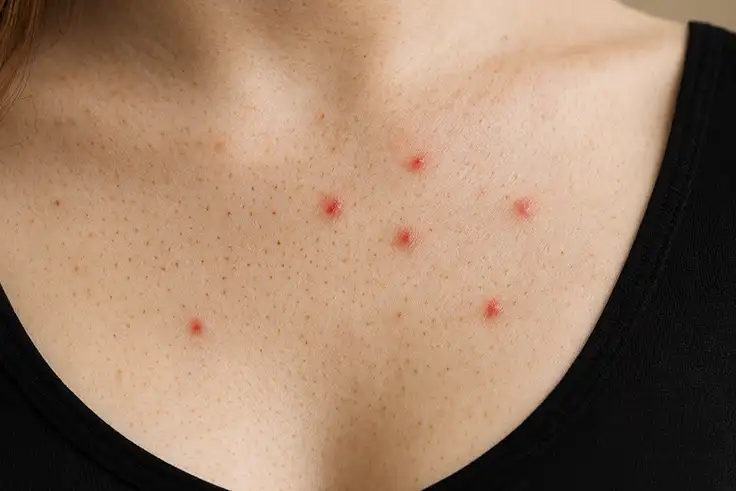
Acne often shows up as red, bumpy spots on the face, back, or chest. It happens when hair follicles get clogged with oil, dead skin, and bacteria. Many people deal with it during teenage years, but adults get it too. Doctors know acne involves swelling and irritation in the skin. This swelling, called inflammation, might connect to what we eat.
Certain foods can spark body-wide inflammation. These are called inflammatory diets. They include lots of dairy like milk, high-sugar treats, and processed items made with refined flour. Research points to dairy as a common trigger. Milk has natural hormones that may boost oil production in skin glands. This extra oil, or sebum, clogs pores and feeds acne bacteria. Studies show people who drink more milk or eat dairy often have worse breakouts.
Foods with a high glycemic index also play a role. These are sugary sodas, pastries, chocolate, and white bread. They cause quick spikes in blood sugar and insulin. High insulin levels signal the body to make more oil and promote skin cell growth. This leads to clogged follicles and inflammation. One study linked high glycemic load diets to more acne spots.
Inflammation ties into this through chemicals like IGF-1, a growth factor boosted by dairy and sugars. IGF-1 ramps up oil production and skin swelling. Gut health matters too. Processed foods lower good bacteria in the intestines. Fewer good bacteria weaken the immune system, which can worsen skin inflammation.
Switching to anti-inflammatory foods might help. Think whole vegetables, fruits, berries, lean meats, and fish. These lower insulin spikes and cut dairy intake. A diet like Paleo skips grains, sugars, and dairy. People on it report less oily skin and fewer pimples. Avoiding gluten helps some folks too. Natural items like resveratrol from berries fight swelling by blocking bad pathways in the skin.
Not everyone reacts the same. Hormones, stress, and genes matter. Women with conditions like PCOS see more acne from hormone shifts tied to diet. Keeping a food log can spot personal triggers. Washing the face too much strips oils and causes rebound inflammation.
Doctors note diet changes work best with skin care routines. But for stubborn cases, they add creams or pills. The link between inflammatory foods and acne comes from many studies. Cutting back on triggers often clears skin over time.
Sources
https://advancedcosmeticmedicine.com.au/can-the-paleo-diet-help-your-acne/
https://pmc.ncbi.nlm.nih.gov/articles/PMC12735603/
https://www.tuftsmedicine.org/about-us/news/acne-over-30
https://www.oreateai.com/blog/navigating-acne-as-a-vegan-understanding-the-connection-between-diet-and-skin-health/aa55c97815ee19586f379e52f2d5b83b
https://bioliskincare.com/blogs/bionotes/guide-what-to-eat-for-better-skin-combating-acne-and-eczema