Can Acne Be Linked to Insulin Resistance?
If you’ve been struggling with stubborn acne that won’t go away no matter what skincare products you try, the problem might not be on the surface of your skin at all. Research shows that acne can be deeply connected to how your body handles insulin, a hormone that controls blood sugar levels.
Understanding the Connection
When your body becomes resistant to insulin, your cells stop responding properly to this hormone. This means your body has to produce more and more insulin to keep your blood sugar stable. According to Johns Hopkins Medicine, insulin resistance affects 50 to 75 percent of people with PCOS, a condition often linked to hormonal acne. But insulin resistance can affect anyone, not just those with PCOS.
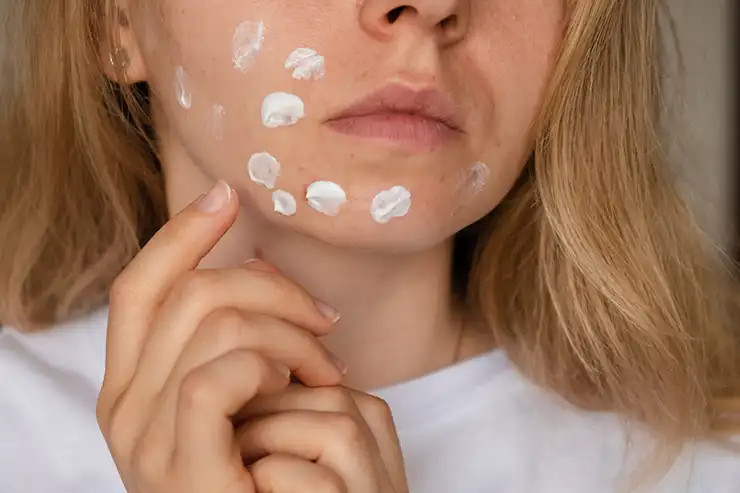
Here’s where acne comes in. When insulin levels stay high in your bloodstream, your body responds by producing more androgens, which are male hormones that everyone has in varying amounts. These high androgen levels tell your skin glands to produce excess oil. This extra oil mixes with dead skin cells and clogs your pores. Bacteria then grows inside these clogged pores, causing inflammation and the painful red bumps known as cystic acne. This type of acne typically appears on your chin, jawline, and lower cheeks because these areas are especially sensitive to hormones.
The Vicious Cycle
A 2025 study published in Food Science and Human Wellness found that insulin resistance and PCOS create what researchers call a vicious cycle. High insulin leads to high androgens, which leads to more acne and hair loss. This means that if you want to clear your skin, you may need to address the insulin resistance underneath rather than just treating the acne on the surface.
The Role of Diet
A carbohydrate-heavy diet has been linked to both acne and insulin resistance. Foods with a high glycemic index, such as soda, white bread, candies, sugary cereals, and ice cream, cause sharp blood sugar spikes that can worsen acne. In contrast, low-glycemic index foods release sugar slowly into the bloodstream, helping prevent insulin surges and improve acne severity.
Dairy products also play a role. Milk and dairy can increase insulin and IGF-1 levels, both of which are linked to acne. Whey protein supplements may also trigger breakouts, especially around the jawline.
What This Means for You
If you have persistent acne, especially on your chin and jawline, it may signal an internal imbalance rather than a skincare issue alone. By managing your blood sugar through diet choices like eating whole grains, legumes, vegetables, and fruits instead of refined carbs, you may be able to control your insulin levels. When you control your insulin, you can indirectly control your androgens. And when you control your androgens, your skin can start to clear up.
Research suggests that women with PCOS experiencing acne who address root causes through diet can see reduced acne severity in 4 to 8 weeks, with decreased hair shedding in 2 months and potential regrowth in 3 to 6 months.
Sources
https://nutriscan.app/blog/posts/pcos-acne-hair-loss-nutrition-protocol-568e7b5260
https://www.dermatologyadvisor.com/factsheets/diet-and-acne/
https://bioliskincare.com/blogs/bionotes/guide-what-to-eat-for-better-skin-combating-acne-and-eczema
https://www.biomeaidskin.com/blogs/skin/the-missing-link-in-teen-cystic-acne-and-insulin-resistance