# Why Does Acne Appear After Hormonal Shifts
When your body goes through hormonal changes, your skin often reacts by breaking out. This happens because hormones directly control how much oil your skin produces and how your skin cells behave. Understanding this connection can help you recognize why acne appears at certain times in your life.
## How Hormones Control Oil Production
Your skin has tiny glands called sebaceous glands that produce an oily substance called sebum. This oil is necessary for keeping your skin healthy, but too much of it can cause problems. Hormones, particularly androgens like testosterone, tell these glands how much oil to make. When androgen levels rise or shift, your sebaceous glands go into overdrive and produce excess sebum.
Estrogen works in the opposite way. It actually reduces androgen activity and helps keep oil production under control. When estrogen levels drop or when androgens become more dominant, your skin produces more oil than it needs.
## What Happens When Pores Get Clogged
Extra oil by itself does not always cause acne. The problem starts when this excess sebum combines with dead skin cells inside your hair follicles. Your skin naturally sheds dead cells, but when there is too much oil present, these cells stick together and block the pore. This creates the perfect environment for bacteria to grow, particularly a bacterium called Cutibacterium acnes.
Your body’s immune system responds to this bacterial growth by triggering inflammation. This inflammation is what creates the red, painful bumps you see on your skin. The deeper these blockages form, the more painful and cyst-like the acne becomes.
## When Hormonal Acne Typically Appears
Hormonal acne shows up during specific times when your body experiences hormone fluctuations. In women, one of the most common times is right before their period starts. About seven to ten days before menstruation, progesterone levels rise, which increases oil production and can trigger breakouts. This is why many women notice acne clustering around their chin, jawline, and lower cheeks at the same time each month.
Pregnancy causes major hormonal shifts that can either improve or worsen acne. Some women experience clearer skin during pregnancy due to hormonal balance, while others have severe breakouts because their oil glands become overactive.
Menopause brings another wave of hormonal changes. As estrogen levels drop significantly, testosterone’s effects become unopposed. This means androgens have more influence over oil production without estrogen there to counteract them, leading to acne breakouts even in women who never had acne problems before.
## Other Hormonal Conditions That Cause Acne
Polycystic ovary syndrome, or PCOS, is a common condition where women have elevated androgen levels. Because androgens stimulate oil production and inflammation, women with PCOS frequently struggle with persistent acne that does not respond well to regular treatments.
Stress also triggers hormonal acne. When you are stressed, your body produces more cortisol and other stress hormones. These hormones indirectly increase oil production and inflammation in your skin, making breakouts more likely.
## Why Hormonal Acne Is Different
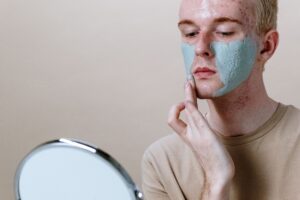
Hormonal acne has distinct characteristics that set it apart from other types of acne. It typically appears as deep, painful bumps rather than surface-level blackheads or whiteheads. These lesions tend to cluster in specific areas like the jawline, chin, and lower cheeks rather than spreading across your entire face. Most importantly, hormonal acne often does not respond well to standard acne treatments because the root cause is internal hormonal imbalance rather than external factors.
The timing of hormonal acne is also predictable. If your breakouts follow your menstrual cycle or appear during stressful periods, this is a strong sign that hormones are driving your acne. Regular acne may improve with basic skincare, but hormonal acne keeps returning until the underlying hormonal issue is addressed.
## The Bottom Line
Acne appears after hormonal shifts because hormones directly control how much oil your skin produces and how your skin cells behave. When androgens increase or estrogen decreases, your sebaceous glands produce excess oil that clogs pores and traps bacteria. Your immune system responds with inflammation, creating the painful acne lesions you see. This process happens predictably during menstrual cycles, pregnancy, menopause, and times of high stress. Recognizing that your acne is hormonal is the first step toward finding effective treatment options that address the root cause rather than just treating the symptoms.
Sources
https://www.medicaldaily.com/hormonal-acne-adults-acne-causes-skin-hormones-explained-474128
https://drankitmehra.com/blogs/hormonal-acne-causes-treatment-dermatologist-guide
https://www.drbatras.com/hormonal-acne-what-causes-it-and-how-to-treat-it
https://www.allarahealth.com/blog/signs-of-hormone-imbalance-in-women
https://www.newriverdermatology.com/blog/how-to-manage-hormonal-acne-during-menopause