Can Medications Trigger Acne Breakouts
Many people don’t realize that the medications they take for other health conditions can sometimes cause acne or acne-like breakouts. While acne is commonly associated with puberty and hormonal changes, certain drugs can disrupt your skin’s balance and lead to unwanted blemishes.
How Medications Affect Your Skin
Medications can trigger acne through several different pathways. Some drugs interfere with your body’s hormone levels, while others cause allergic reactions or skin sensitivities. The way a medication affects one person’s skin might be completely different from how it affects someone else, which is why some people experience breakouts while taking a particular drug and others don’t.
Common Drug Classes That Cause Acne
Several categories of medications are known to increase the risk of acne breakouts. Antibiotics, anticonvulsants, NSAIDs (non-steroidal anti-inflammatory drugs), chemotherapy medications, and opioid painkillers tend to cause skin reactions more frequently than other drug classes. Corticosteroids and lithium are also well-documented culprits that can trigger breakouts as side effects. However, a wide variety of other medications can also cause these skin problems.
Hormonal Disruption and Breakouts
One of the main ways medications cause acne is by affecting your hormone levels. When certain drugs alter testosterone or other hormones in your body, they can trigger excess oil production in your skin. This increased sebum, combined with dead skin cells and bacteria, clogs your pores and leads to inflammation and breakouts. This is particularly important for people who already have hormonal imbalances, as medications can make these imbalances worse.
Allergic Reactions and Skin Sensitivity
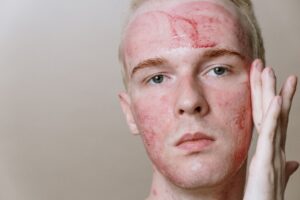
Some people develop acne-like breakouts because they’re having an allergic reaction to a medication rather than a direct effect on their skin. These reactions can range from mild to severe and might appear as rashes, irritation, or blemishes that resemble acne. If you notice skin problems shortly after starting a new medication, an allergic reaction could be the cause.
Risk Factors for Drug-Related Acne
Not everyone who takes a medication will experience acne breakouts. Certain factors make some people more likely to develop skin reactions. People taking multiple medications at the same time tend to have more reactions than those on a single drug. Higher rates of skin reactions have also been found in elderly individuals, females, and people with certain viral infections like HIV.
What to Do If You Suspect Medication-Related Acne
If you develop acne or similar symptoms after starting a new medication, timing is important. Experts recommend being very critical of medications you’ve taken in the last two weeks to 28 days. If it’s been longer than 28 days since you started the drug, it’s unlikely to be the cause, with rare exceptions.
The best approach is to discuss your symptoms with your doctor or dermatologist. Don’t stop taking your medication on your own, as this could be dangerous. Instead, work with your healthcare provider to determine if the medication is causing the problem and explore alternatives if needed. Your doctor might suggest hormone testing to check for imbalances, or they may recommend switching to a different medication that’s less likely to cause skin problems.
Managing Acne While on Medications
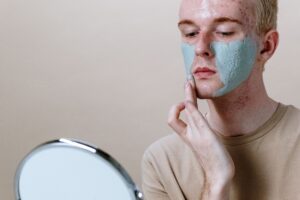
While you work with your doctor to address the underlying cause, you can take steps to manage your acne. Maintaining a consistent skincare routine with gentle cleansing is important. Topical treatments like benzoyl peroxide, salicylic acid, or prescription retinoids can help reduce breakouts. Managing stress levels and getting adequate sleep also support clearer skin, since stress increases cortisol production which can worsen acne.
If your acne is severe or doesn’t respond to standard treatments, your dermatologist may recommend prescription options like oral antibiotics, hormonal therapies, or in extreme cases, isotretinoin. Keep in mind that improvement doesn’t happen overnight – it typically takes two to three months to see whether a treatment is working.
The Importance of Professional Guidance
The relationship between medications and acne is complex and individual. What causes breakouts in one person might not affect another person at all. This is why professional evaluation is so important. Your doctor or dermatologist can help you identify whether your medication is truly causing your acne, rule out other potential causes like hormonal imbalances or underlying medical conditions, and develop a treatment plan that addresses both your acne and your overall health needs.
Sources
https://valhallavitality.com/blog/does-tadalafil-cause-acne
https://medshadow.org/conditions-treatments/skin/5-common-drug-reactions-that-affect-the-skin/
https://www.westchestercosmeticdermatology.com/blog/adult-acne-why-it-happens-and-how-to-treat-it/