Why Does Acne Improve Then Suddenly Return
Acne often gets better for a while because treatments start to control oil, unclog pores, and reduce bacteria, but it can suddenly return when triggers like hormones or stress kick back in and overpower those efforts.[1][2][3]
Your skin makes oil called sebum to stay healthy, but too much leads to clogged pores where bacteria grow and cause pimples. When you use cleansers, creams with salicylic acid, or prescriptions like retinoids, they clear out the gunk and calm swelling, so breakouts fade.[1][2][4] This improvement feels great, but it is not always permanent. Acne hides deeper causes that can flare up again.
Hormones are a big reason for the comeback. In teens, puberty ramps up oil production. For adults, especially women, monthly cycles, birth control changes, pregnancy, or menopause shift hormones like androgens, which boost oil and spark new pimples along the jaw or chin.[2][4][5] Stress adds fuel by releasing more hormones that tell your skin to make extra oil.[2][3][4] Even poor sleep messes with your skin balance and invites breakouts.[2][4]
Diet plays a role too. Foods high in sugar or dairy, like whey protein shakes, can spike insulin and trigger oil glands.[5] Comedogenic products are sneaky culprits. Heavy makeup, thick lotions, or hair products labeled non-comedogenic might still clog pores if they do not suit your skin.[2][7] Sweat from workouts, tight clothes, or masks trap moisture and bacteria, worsening things.[4]
Sometimes treatments cause a rebound. Washing too much strips your skin barrier, so it overproduces oil to fight back.[5] Stopping strong meds like antibiotics or isotretinoin lets bacteria rebound without warning.[1][3] Genetics make some people prone to this cycle, as family history means your skin reacts strongly to clogs.[1][3]
Other surprises include fungal acne, not bacterial. It looks like regular pimples but comes from yeast overgrowth in humid conditions or after antibiotics, and usual acne creams make it worse.[6] Medications or supplements can also stir trouble.[4]
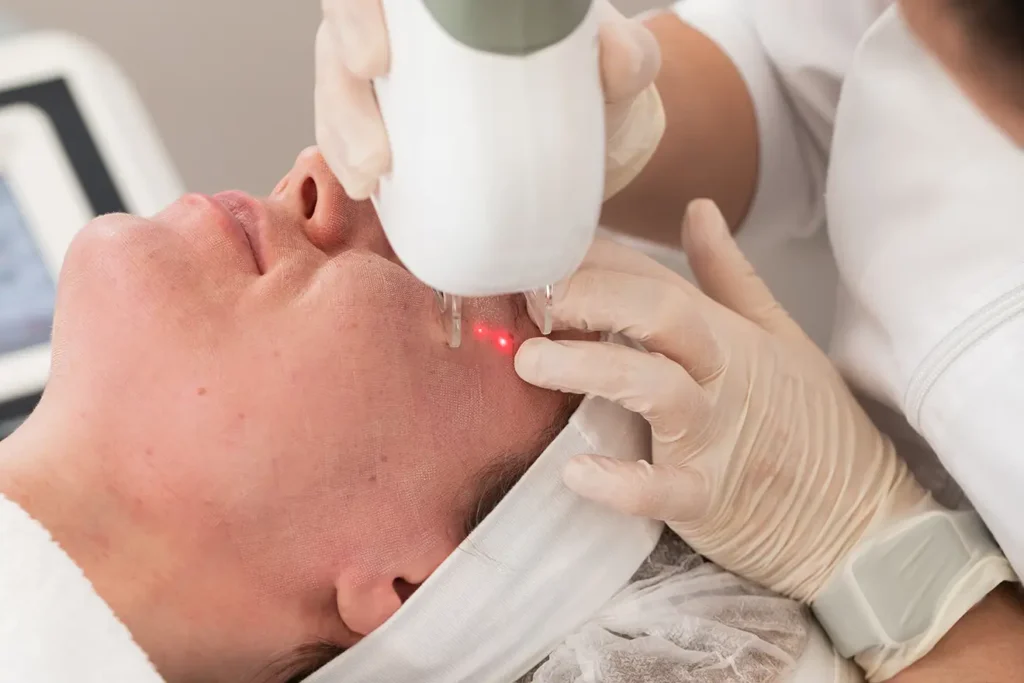
To slow returns, stick to gentle routines with non-comedogenic items, manage stress, eat lower sugar, and track patterns like cycle timing.[2][3][5] See a dermatologist for stubborn cases. They spot hidden triggers and offer options like hormone pills, lasers, or peels that target roots for longer calm.[1][4][5]
Sources
https://londondermatologyclinics.com/cystic-acne-your-guide-to-causes-and-management/
https://www.advanceddermatologypc.com/conditions/acne/
https://www.fivensondermatology.com/acne
https://renotahoederm.com/when-its-time-to-see-a-dermatologist-for-acne-in-reno-nv/
https://www.tuftsmedicine.org/about-us/news/acne-over-30
https://glimmergoddess.com/blogs/skin-school/fungal-acne-explained-causes-triggers-gentle-treatment
https://artofskincare.com/blogs/learn/acne-lesson-1-what-is-acne-and-why-do-i-have-it
https://www.pharmacytimes.com/view/the-educated-patient-clearing-up-acne