
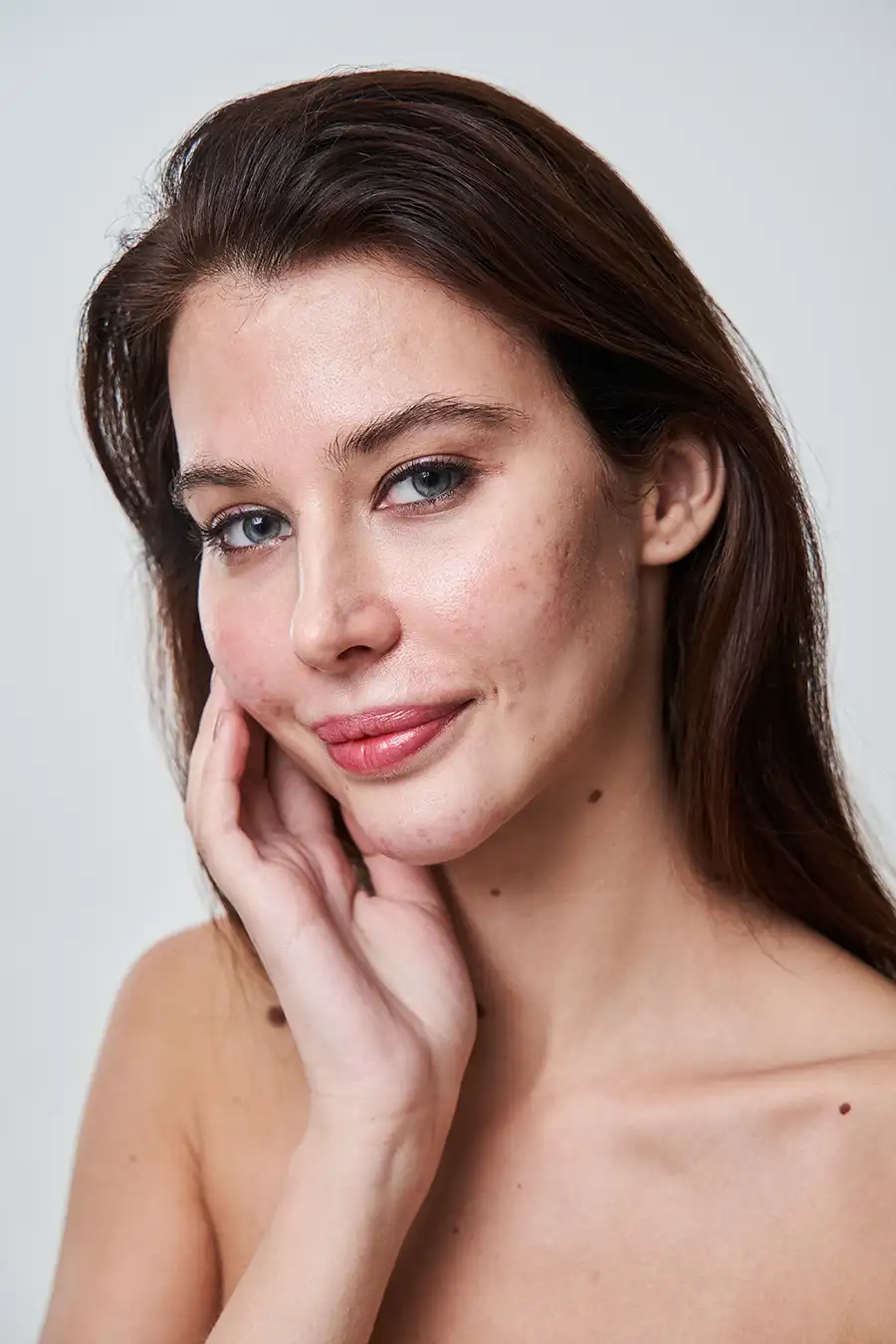
Why Does Skin Break Out With New Medications
Starting a new medication can sometimes lead to unexpected skin breakouts, like pimples or acne flares. This happens because many drugs affect your body’s hormones, oil production, or inflammation in ways that clog pores and irritate the skin.
One common example involves GLP-1 drugs used for weight loss, such as Ozempic or Wegovy. These medications help control blood sugar and promote weight loss, but recent studies show they can trigger acne, especially in women. Research found higher rates of breakouts among women taking these drugs compared to those who did not. The reason seems tied to hormonal shifts: the drugs may boost levels of insulin-like growth factor 1, or IGF-1. This hormone ramps up sebum, the oily substance your skin produces, and sparks inflammation, both key players in acne formation. Many users notice pimples appearing soon after starting the medication, a pattern shared widely online and now backed by medical data.
Other medications work differently but still cause skin issues. Take isotretinoin, a powerful oral drug prescribed for severe acne that does not respond to other treatments. While it ultimately fights acne by shrinking oil glands and cutting sebum production, it often causes initial dryness and irritation. Common side effects include chapped lips, dry skin, and increased sensitivity to sun, which can make the skin feel raw and prone to minor breakouts before it improves.
Hormonal medications, like birth control pills or treatments for conditions such as polycystic ovarian syndrome (PCOS), can also spark acne. These alter androgen levels, hormones that boost oil production. Even diuretics like spironolactone, used to block androgens in women, might lead to temporary flares as the body adjusts.
Not every new drug causes breakouts, and the reaction varies by person. Factors like stress, diet, or over-washing the face can worsen things by stripping the skin’s natural barrier, prompting more oil output. If you spot new pimples after starting a medication, track when they appear and chat with your doctor. Do not stop the drug on your own. A simple skincare routine with a gentle cleanser, moisturizer, and sunscreen can help manage symptoms without complicating matters.
Sources
https://qr8mediskin.com/can-glp-1-weight-loss-drugs-trigger-acne-a-look-at-the-evidence/
https://www.ncbi.nlm.nih.gov/books/NBK525949/
https://www.tuftsmedicine.org/about-us/news/acne-over-30
https://www.winlevi.com/what-is-winlevi