
How Inflammation Alters Skin Behavior
Inflammation is the body’s natural way to fight off harm, like infections or injuries, but when it happens in the skin, it changes how the skin looks, feels, and works. Normally, skin acts as a strong barrier, keeping out germs and holding in moisture. Inflammation disrupts this by sending immune cells and chemicals to the area, which can make skin red, swollen, itchy, or dry.
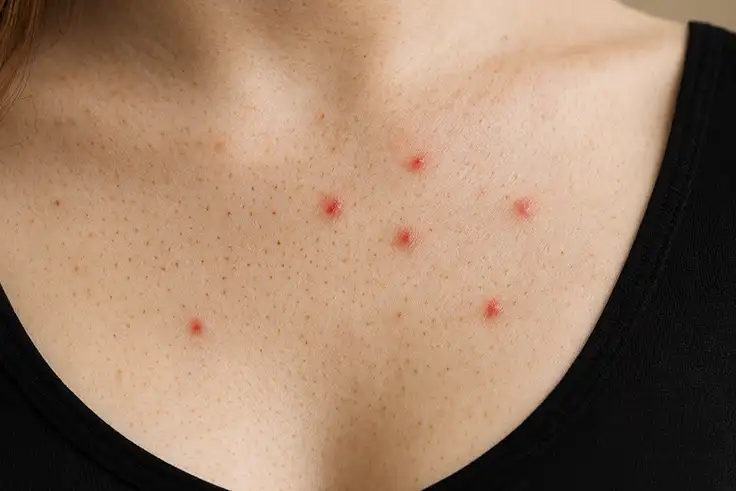
One key change is redness. When inflammation starts, blood vessels in the skin widen to bring more blood and immune fighters to the spot. This causes the red or pink marks you see, often called post-inflammatory erythema after something like acne heals. Bacteria in acne spots trigger chemicals like cytokines and histamine, which dilate these vessels and keep the redness lingering, especially in lighter skin tones.
Swelling and warmth follow as fluid leaks from those widened vessels into the skin layers. In conditions like lupus or dermatomyositis, this inflammation hits blood vessels directly, leading to purple rashes on sun-exposed areas, eyelids, or knuckles. The skin puffs up, feels tender, and may itch or hurt because immune cells like neutrophils and macrophages release more irritants.
Itching and scratching come next. Inflammation ramps up nerve signals, making skin super sensitive. Repeated scratching thickens the skin into a leathery texture, as seen in dermatitis. Dry, scaly patches form because inflammation damages the skin’s moisture barrier, letting water escape and letting irritants in.
In darker skin, inflammation often leads to dark spots instead of just redness, called post-inflammatory hyperpigmentation. Sun exposure worsens this by stirring up more pigment production during healing.
Other shifts include blisters or oozing in bad cases, where inflammation breaks down skin cells. Sleep issues or stress can make it worse by messing with the skin’s microbiome, the tiny bugs living on it, fueling ongoing flare-ups.
Over time, constant inflammation alters healing. Vessels may not shrink back fully, leaving marks, or calcium deposits can form under the skin in some diseases. The skin barrier weakens, making it prone to cracks, infections, or thicker buildup.
Factors like genetics, harsh soaps, sun, or even certain medicines speed up these changes. Lighter skin shows redness more, while darker skin leans toward pigmentation shifts. Everyone’s response varies based on healing patterns.
Sources
https://www.kins-clinic.com/blogs/post-inflammatory-erythema-from-acne-a-guide-to-causes-and-treatments
https://www.dovepress.com/skin-microbiome-in-health-and-disease-mechanisms-and-emerging-therapeu-peer-reviewed-fulltext-article-CCID
https://www.ummhealth.org/health-library/dermatomyositis
https://drgurgen.com/dermatitis-treatment/
https://www.mayoclinic.org/diseases-conditions/lupus/symptoms-causes/syc-20365789
https://pubmed.ncbi.nlm.nih.gov/41409292/?fc=None&ff=20251219054851&v=2.18.0.post22+67771e2
https://myhealth.umassmemorial.org/library/Wellness/DiseasesConditions/85,P00309
https://www.cureus.com/articles/447746-the-impact-of-sleep-dysfunction-on-inflammatory-skin-diseases-a-systematic-review