Why Skin Can Break Out Without Bacteria
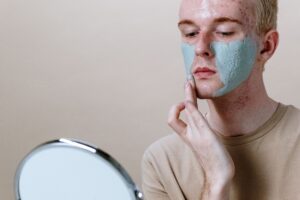
Skin breakouts do not always need bacteria to happen. Many times, they come from other issues like too much oil, clogged pores, irritation, or hormones going out of balance. These problems can lead to red bumps, pimples, or rashes that look like acne but form in different ways.
Think about how regular acne starts. It often involves four main factors: extra oil from glands, dead skin cells sticking together inside pores, a type of bacteria called Cutibacterium acnes growing in the blockage, and then swelling or inflammation. But if bacteria are not part of the mix, breakouts can still occur from the first three steps alone, or from other triggers.
One common example is irritation from new skincare products, makeup, or sunscreen. If you try something fresh and small red, itchy, or burning bumps show up fast, often within a day, that is usually not true acne. These spots form from inflammation or a rash, without any blackheads or whiteheads. They might feel tender but heal once you stop the irritating item.
Another issue is rosacea. This causes red bumps, flushing, and sensitivity on the face, but never has clogged pores like comedones. Acne treatments such as benzoyl peroxide or strong acids often make rosacea worse instead of better.
Perioral dermatitis brings tiny bumps around the mouth, nose, or eyes. It gets triggered by steroid creams, nasal sprays with steroids, harsh skincare, or even toothpaste with fluoride. No bacteria needed here; it is all about those irritants building up.
Folliculitis looks like pimples around hair follicles. It comes from sweat trapped in clothes, friction from rubbing, shaving too close, or even yeast growth. Picking at these spots can spread them, so it is best to leave them alone and let them heal.
Fungal acne, also called malassezia folliculitis, is caused by yeast overgrowth, not bacteria or clogged pores. You see small, itchy, red bumps in clusters on the forehead, chest, or back. Regular acne creams do not help; it needs antifungal care.
Hormones play a big role too, even without bacteria. Androgens, which are male-type hormones present in everyone, can make sebaceous glands produce too much sebum, the skin’s natural oil. When pores cannot handle the extra oil, they clog with dead skin cells. This leads to whiteheads, blackheads, or deeper cysts. Women often notice this along the jawline or chin during periods, pregnancy, menopause, stress, or conditions like PCOS. Changing birth control can spark it as well.
Other everyday factors add to breakouts without bacteria. High-sugar foods, whey protein, dairy, or milk chocolate might boost oil for some people. Sweat, heat, greasy hair products, comedogenic cosmetics, or washing the face too much can strip the skin barrier, causing more oil and inflammation. Stress and poor sleep make it worse by messing with hormones.
In short, skin can react and break out from oil overload, pore clogs, irritation, yeast, or hormone shifts alone. Spotting the real cause helps pick the right fix, like gentle care for irritation or hormone checks for jawline spots.
Sources
https://www.doctorrogers.com/blogs/blog/acne-pimples-101-why-we-break-out-what-s-actually-going-on-and-how-to-handle-it-like-a-dermatologist
https://www.draliabadi.com/blog/hormonal-acne/
https://www.science.org/content/article/got-pimples-you-may-need-better-bacteria
https://www.drbatras.com/skin-diseases/acne/types
https://www.tuftsmedicine.org/about-us/news/acne-over-30
https://irvineskin.com/difference-between-a-cyst-a-zit-and-a-pimple/
https://drderrickphillips.com/video/fungal-acne-treatment-guide/