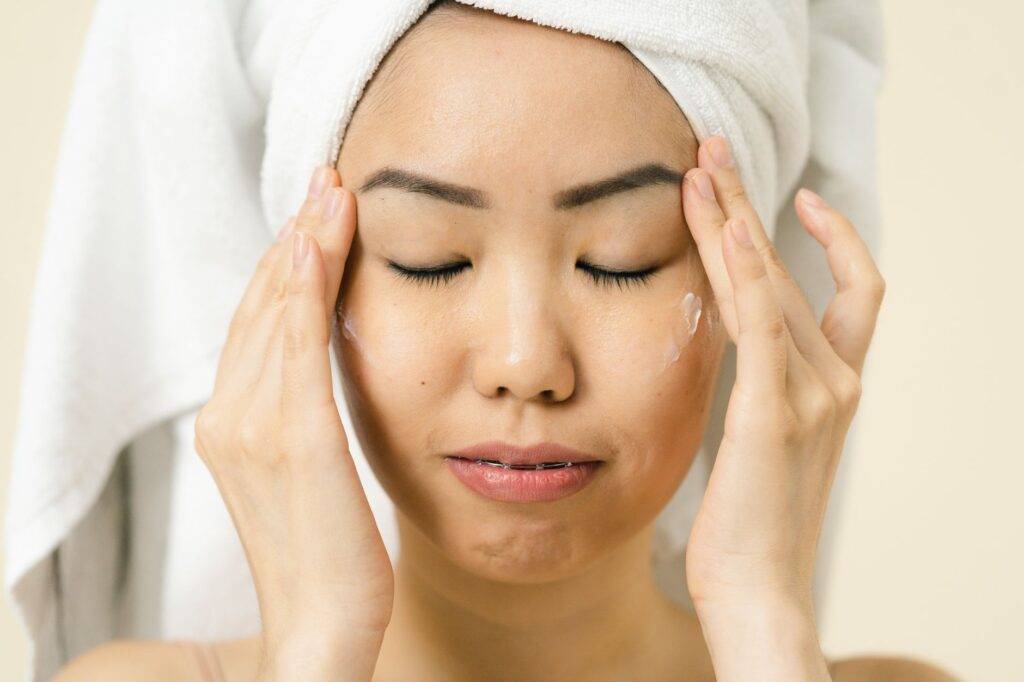
Excessive face washing in monsoon season accelerates damage to your skin barrier—the lipid-rich outer layer that holds moisture and blocks irritants. During humid monsoon months, when atmospheric moisture reaches 80–90%, many people wash more frequently to combat sweat and dampness, not realizing that each wash strips away the ceramides, cholesterol, and fatty acids that protect skin, leaving it vulnerable to infection, dermatitis, and persistent dryness.
The problem intensifies because monsoon humidity forces your skin to overproduce oil while simultaneously weakening its protective function. Dermatology consultations spike 40% during the rainy season, driven by fungal and bacterial infections that exploit a compromised barrier. Understanding how washing damages the skin barrier—and how to modify your routine for monsoon conditions—is the first step to keeping your skin healthy through the season.
Medical information disclaimer: This article is for general educational purposes only and does not provide medical advice, diagnosis, or treatment. Always consult a physician or other qualified health professional about symptoms, medications, tests, or treatment decisions.
Table of Contents
- How washing strips your skin's protective layer
- Why monsoon humidity makes excessive washing worse
- What a damaged barrier looks like in monsoon season
- How often should you actually wash during monsoon?
- Choosing cleansers that protect your barrier
- Frequently Asked Questions
How washing strips your skin's protective layer
Your skin barrier is the stratum corneum, a thin but essential layer composed of lipids (fats) arranged in a brick-and-mortar structure. Harsh soaps and surfactants extract endogenous skin lipids and intercalate into the bilayer, disrupting this orderly arrangement and triggering tightness, dryness, and irritation within two hours of washing. This damage compounds: each additional wash removes more lipids, and washing frequency increases cumulative epidermal barrier damage and transepidermal water loss, meaning your skin loses more moisture to the air and cannot retain water effectively.
The damage accumulates because your body cannot replace lipids fast enough to keep pace with frequent washing. Conventional bar soaps are particularly harsh; syndets (synthetic detergents) are gentler, but only if they contain lipid-restoring ingredients like ceramides and fatty acids. Without barrier repair, your skin becomes a pathway for allergens, microbes, and irritants to penetrate deeper into the epidermis.
Why monsoon humidity makes excessive washing worse
Monsoon humidity creates a perfect storm for barrier damage. High atmospheric moisture (80–90%) forces compensatory skin oil production while impeding transpiration, weakening the protective barrier and creating conditions for infection. Your skin feels oily or sticky, so you wash more often. But each wash removes the very lipids your barrier needs to survive high humidity.
The result: dermatology consultations spike 40% during monsoon, dominated by fungal infections, bacterial infections, acne breakouts, and persistent itching. In monsoon conditions, an intact barrier is your best defense. Damp skin, pollution-laden rainwater, and mold spores in the air all trigger inflammation when the barrier is compromised. Washing away oil to feel fresh seems logical but leaves you more vulnerable.
What a damaged barrier looks like in monsoon season
When your barrier is compromised, monsoon humidity accelerates flare-ups. Damp skin, environmental allergens (mold, dust mites), and pollution-laden rainwater activate dermatitis in sensitive individuals, causing itching, redness, and scaly patches. Contact dermatitis and eczema worsen during the rainy season because damaged skin cannot repel allergens.
You may also notice persistent redness, a rough texture, or unexpected breakouts even if you usually have clear skin. These symptoms signal that your barrier is compromised and needs repair, not more cleansing. If you experience any combination of itching, redness, or scaly patches during monsoon, reduce washing frequency immediately—more frequent washing will worsen the problem.
How often should you actually wash during monsoon?
Dermatologists recommend a maximum of twice-daily face washing: once in the morning and once in the evening. For dry or sensitive skin, skip the morning cleanser entirely and use water only, then cleanse gently once in the evening. During monsoon, when humidity and sweat feel intense, this limit becomes even more important because your barrier is already stressed.
If you exercise or sweat heavily during monsoon, rinse with cool water immediately after, but reserve soap and cleanser for one full cleanse per day. Rinsing with water alone does not strip lipids and does not contribute to barrier damage. This small adjustment prevents the accumulation of barrier damage that drives monsoon skin problems.
Choosing cleansers that protect your barrier
Not all cleansers are equally damaging. Syndets (synthetic detergents) containing ceramides, fatty acids, and rehydrating agents preserve stratum corneum lipids and barrier integrity even across higher washing frequencies. If you must wash more than twice daily during monsoon (or if your routine demands it), a lipid-fortified cleanser is your best protection.
Look for cleansers labeled "ceramide-enriched," "lipid-barrier repair," or "for sensitive skin." Avoid products that foam aggressively—foam signals high surfactant concentration, which strips more lipids. Gentle cream cleansers and oil cleansers are inherently less damaging than foaming washes. Pat your skin dry gently and apply moisturizer while your skin is still damp to seal in hydration before the barrier can lose moisture to the air.
Frequently Asked Questions
Is it okay to wash my face in the morning and evening if I exercise during monsoon?
Yes. Rinse with water only after exercise. Reserve your full soap-and-water cleanse for one time per day (typically evening). Rinsing with water does not strip lipids and does not damage your barrier.
My skin feels oily in monsoon, so I thought I needed to wash more—is that wrong?
Yes. The oiliness you feel is your skin compensating for a weakened barrier, not a sign that you need more cleansing. Excess washing will strip lipids and make the barrier worse, triggering more oil production and inflammation.
Can a ceramide-enriched cleanser let me wash more than twice daily safely during monsoon?
Lipid-fortified cleansers reduce barrier damage at higher washing frequencies, but twice daily remains the dermatologist recommendation. If your monsoon routine demands more frequent rinsing, use water and reserve your ceramic-enriched cleanser for one gentle cleanse per day.
You Might Also Like
- Why summer weather triggers severe acne: humidity’s impact on your skin
- Why Menopause Skin Feels Thin, Dry, and Less Firm Over Time
- Top Skincare Products Dermatologists Recommend for Healthy Skin in 2026
Browse more: Acne | Acne Scars | Adults | Back | Blackheads