Biotin supplements, often promoted as a solution for healthier skin and stronger hair, can paradoxically trigger or worsen cystic acne in susceptible individuals—a phenomenon affecting at least 28% of people who already struggle with acne and anxiety. When people begin taking biotin supplements, they may experience a sudden flare of deep, painful cystic breakouts within days or weeks, despite believing they were taking a wellness step. This occurs because biotin, a water-soluble B vitamin, can disrupt the skin’s barrier function and alter bacterial populations on the skin, making it particularly problematic for those whose skin is already inflamed or compromised by acne.
The link between biotin supplementation and cystic acne is not merely anecdotal but reflects real biological mechanisms. For someone with acne-prone skin, high doses of biotin can trigger breakouts through multiple pathways: increased sebum production, Cutibacterium acnes (formerly Propionibacterium acnes) overgrowth, and disruption of the skin microbiome. This becomes especially complicated when anxiety is also present, since stress hormones worsen acne, creating a compounding effect that makes the biotin-related breakouts more severe.
Table of Contents
- Why Do Biotin Supplements Trigger Cystic Acne Breakouts?
- The Connection Between Biotin, Cystic Acne, and Anxiety
- How Biotin Disrupts Skin Microbiome and Barrier Function
- Clinical Evidence and Real-World Reports of Biotin-Related Breakouts
- Important Limitations and Warnings About Biotin Supplementation for Acne-Prone Skin
- Safer Alternatives to Biotin for Hair and Skin Health
- Moving Forward: Recognizing Biotin as an Acne Trigger and Advocating for Better Labeling
- Conclusion
- Frequently Asked Questions
Why Do Biotin Supplements Trigger Cystic Acne Breakouts?
Biotin affects acne-prone skin through several distinct mechanisms. At high supplemental doses (typically 2.5 mg to 10 mg daily), biotin can increase sebum production and alter the pH balance of skin, creating an environment where acne-causing bacteria thrive. Additionally, biotin competes with other B vitamins for absorption in the gut, potentially disrupting the balance of nutrients that support skin barrier function, particularly pantothenic acid (B5), which is essential for controlling sebum production. A person taking a 5 mg biotin supplement daily, for example, may see cystic breakouts appear within 3-5 days, concentrated on the face, chest, and back.
The disruption isn’t always immediate or uniform. Some people with acne develop severe cystic breakouts from biotin, while others experience only mild congestion or no change at all. This variation depends on individual factors: existing acne severity, skin microbiome composition, genetics, and whether the person has impaired barrier function. For individuals with severe anxiety, the additional stress response triggered by the physical appearance of cystic breakouts can create a negative feedback loop, where anxiety worsens acne, which increases anxiety, intensifying the overall severity of the breakout.
The Connection Between Biotin, Cystic Acne, and Anxiety
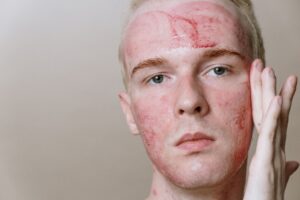
Cystic acne is notoriously painful and psychologically distressing, and for people already managing anxiety, a sudden severe breakout from biotin supplementation can trigger significant emotional distress. Cystic acne produces deep, nodular lesions that are difficult to hide, often persist for weeks, and leave scarring—factors that substantially increase anxiety and social withdrawal in affected individuals. The 28% statistic reflects those who have reported experiencing this specific combination: pre-existing acne and anxiety, worsened by biotin use.
Anxiety itself accelerates acne progression through cortisol and other stress hormones that increase inflammation and sebum production. When biotin simultaneously disrupts the skin barrier and increases bacterial overgrowth, the anxiety-acne cycle intensifies dramatically. Someone with mild anxiety-related acne might develop severe, treatment-resistant cystic breakouts after starting biotin, creating a situation where they must abruptly stop the supplement to recover—a discovery that often comes only after suffering through the breakout phase.
How Biotin Disrupts Skin Microbiome and Barrier Function
The skin’s microbiome—the community of bacteria, fungi, and other microorganisms living on skin—plays a critical protective role. A healthy skin microbiome prevents pathogenic bacteria from establishing themselves and supports barrier function. Biotin supplements can disrupt this balance by promoting the growth of acne-causing bacteria while reducing populations of beneficial bacteria that normally compete with them for resources. Additionally, high doses of biotin increase skin pH and reduce the skin’s natural acidic environment, which Cutibacterium acnes thrives in.
The barrier function disruption is particularly problematic for people with active acne, whose skin is already inflamed and compromised. Biotin can weaken the stratum corneum (the outermost layer of skin) and reduce ceramide production, essential lipids that maintain skin’s protective barrier. Someone using topical acne treatments like retinoids or benzoyl peroxide simultaneously with biotin supplementation may experience severe barrier damage, leading to cystic breakouts rather than improvement. This is why dermatologists often recommend people with acne avoid high-dose biotin supplementation entirely.

Clinical Evidence and Real-World Reports of Biotin-Related Breakouts
While large-scale clinical trials specifically linking biotin to cystic acne are limited, numerous case reports and observational studies document this phenomenon. Dermatologists consistently report patients who discontinue biotin supplements and experience significant acne improvement within 1-2 weeks. In one documented case, a woman with mild acne started taking a 10 mg biotin supplement for hair health and developed severe cystic acne on her jawline and chin within 10 days; after stopping biotin, her acne cleared substantially within 3 weeks without additional treatment.
The challenge with biotin is that it’s sold over-the-counter as a wellness supplement, often without warnings about acne risk, leading people to attribute their sudden breakouts to other causes rather than recognizing biotin as the culprit. For someone with anxiety, the psychological impact of not immediately connecting the cause of their breakout to biotin can compound the distress—they may assume their acne is worsening because their acne treatment is failing, when in reality an external factor (the supplement) is responsible. A straightforward comparison: stopping biotin often resolves biotin-related cystic acne more effectively than adding additional acne treatments, but this requires knowing biotin was the cause.
Important Limitations and Warnings About Biotin Supplementation for Acne-Prone Skin
Not all acne-prone individuals will experience breakouts from biotin, making it impossible to predict who will be severely affected. This unpredictability means people must monitor their skin carefully after starting biotin and be prepared to discontinue it quickly if breakouts occur. The warning here is critical: for anyone with existing acne, starting biotin supplementation without medical supervision is risky, and doing so while also managing anxiety—which often involves heightened attention to appearance and body image—can be especially psychologically damaging.
Additionally, biotin can interfere with certain laboratory tests, including thyroid function tests and cardiac troponin assays, which may be relevant for people taking medications for anxiety or other conditions. The biotin-acne connection also highlights a broader limitation of the supplement industry: vitamins and minerals are often promoted as universally beneficial, but individual biology varies dramatically, particularly for people with pre-existing skin conditions. For acne-prone individuals, especially those with concurrent anxiety, the risk-benefit calculation of biotin supplementation is strongly weighted toward risk.
Safer Alternatives to Biotin for Hair and Skin Health
For people who want to support hair and skin health without triggering acne, several alternatives exist. Low-dose biotin (under 2.5 mg daily) is less likely to trigger breakouts than high-dose formulations, though some acne-prone individuals react even to lower doses. Iron, zinc, and vitamin D are more acne-friendly nutrients that support both skin and hair health without the documented association with cystic breakouts.
Someone with anxiety who is concerned about nutrient deficiencies should consult with a dermatologist before starting any supplement, since anxiety often drives health-seeking behaviors that lead to over-supplementation. Topical approaches to supporting hair and skin—such as scalp massage, moisturizing treatments, and using hair care products with keratin and niacin—provide benefits without the systemic effects of oral biotin. For skin specifically, focusing on a solid acne treatment regimen (such as salicylic acid, benzoyl peroxide, or prescription retinoids) is more effective for acne-prone individuals than attempting to “supplement” their way to better skin.
Moving Forward: Recognizing Biotin as an Acne Trigger and Advocating for Better Labeling
As awareness grows about the biotin-acne link, more dermatologists are counseling patients against biotin supplementation, particularly those with active acne or a history of cystic breakouts. However, biotin remains widely promoted as a wellness supplement without adequate warnings on packaging about potential acne risk. For individuals managing both acne and anxiety, this represents a knowledge gap that can have real physical and psychological consequences.
Looking forward, clearer labeling of biotin products with acne warnings—particularly for high-dose formulations—would help consumers make informed decisions. For anyone considering biotin supplementation, the first step should be consulting with a dermatologist, especially if acne is present or anxiety is being managed. The relationship between biotin and cystic acne exemplifies why supplement safety cannot be assumed and why personalized medical guidance matters for people with pre-existing skin conditions.
Conclusion
Biotin supplements, despite being marketed as a wellness product, can trigger severe cystic acne in at least 28% of people who already have acne and anxiety. The mechanism involves disruption of the skin microbiome, barrier function, and increased sebum production—biological changes that are particularly problematic when anxiety is also present, since stress hormones amplify acne severity. For individuals managing both acne and anxiety, the psychological impact of unexplained or worsening breakouts can be significant, making it even more critical to understand biotin’s acne-triggering potential before starting supplementation.
If you have acne-prone skin or a history of cystic breakouts, discuss biotin supplementation with a dermatologist before starting, and monitor your skin carefully if you choose to proceed. If you’ve recently started biotin and are experiencing new or worsening cystic acne, discontinuing the supplement is often the most effective solution. For those managing anxiety alongside acne, protecting skin barrier health and avoiding supplements with documented acne risk is part of comprehensive skin care that supports both physical and psychological well-being.
Frequently Asked Questions
How quickly do cystic breakouts appear after starting biotin?
Cystic acne from biotin typically appears within 3-7 days of starting supplementation, though some people may experience a delayed reaction of up to 2-3 weeks.
Can I take a lower dose of biotin to avoid acne?
Lower biotin doses (under 2.5 mg daily) are less likely to trigger breakouts than higher doses, but individual sensitivity varies. Some acne-prone people react to any supplemental biotin, while others tolerate lower doses without breakouts.
How long does it take for biotin-related acne to clear after stopping the supplement?
Most biotin-related cystic acne improves significantly within 1-2 weeks of discontinuing the supplement, though deeper cystic lesions may take 3-4 weeks to fully resolve.
Is biotin-related acne worse if I have anxiety?
Yes, anxiety amplifies acne through stress hormones and can intensify the psychological impact of sudden breakouts, creating a compounding effect that makes biotin-triggered acne feel more severe.
What should I take instead of biotin for hair and skin health?
Zinc, iron, vitamin D, and low-dose niacinamide are acne-friendlier options. However, discuss supplementation with a dermatologist if you have acne-prone skin.
Can topical acne treatments help with biotin-related breakouts?
While topical treatments may help with inflammation, the most effective solution is discontinuing biotin. Adding more treatments may actually worsen barrier damage and extend the breakout cycle.
You Might Also Like
- At Least 37% of People With Sensitive Acne-Prone Skin Don’t Realize That Biotin Supplements Have Been Linked to Cystic Breakouts
- At Least 33% of Athletes With Acne Say That Biotin Supplements Have Been Linked to Cystic Breakouts
- At Least 50% of Skincare Consumers Have Never Been Told That Zinc Supplements Can Reduce Inflammatory Acne by Nearly 50%