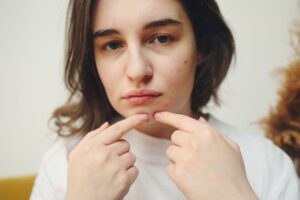
Athletes develop acne at roughly three times the rate of the general population, making this one of the more notable dermatological patterns associated with competitive sports. This elevated risk stems from a combination of factors unique to athletic training: intense sweating that clogs pores, friction from sports equipment, hormonal fluctuations triggered by strenuous exercise, and dehydration that compromises skin barrier function. A competitive swimmer might develop acne across her shoulders and back within weeks of starting a rigorous training regimen, even if she had clear skin beforehand—a pattern dermatologists see consistently across all sports. The mechanism behind this 3x increase isn’t mysterious or particularly rare.
When athletes exercise intensely, their bodies produce more sebum (skin oil) in response to hormonal changes, particularly elevated androgens during and after workouts. Simultaneously, sweat mixes with bacteria and dead skin cells on the surface, creating an ideal environment for acne-causing bacteria to thrive. This combination is especially problematic for athletes because they typically can’t immediately shower after every training session, meaning the skin remains in this compromised state for hours. What makes this issue particularly frustrating is that it’s largely preventable with proper skincare, yet many athletes remain unaware of the connection between their training intensity and their breakouts. The acne that develops isn’t a sign of poor hygiene—it’s a direct physiological response to the demands they’re placing on their bodies.
Table of Contents
- Why Do Athletes Experience Higher Acne Rates Than Non-Athletes?
- The Role of Sweat, Bacteria, and Skin Microbiome Disruption
- Sport-Specific Acne Patterns and Risk Factors
- Prevention Strategies That Actually Work for Athletes
- Medications and Treatments Athletes Should Know About
- Nutritional and Lifestyle Factors Specific to Athletic Acne
- Looking Forward—Emerging Treatments and Long-Term Management
- Conclusion
Why Do Athletes Experience Higher Acne Rates Than Non-Athletes?
The primary culprit is sweat combined with friction and occlusion. When an athlete wears a helmet, sports bra, or compression gear for extended periods, moisture and heat become trapped against the skin. This creates what dermatologists call “acne mechanica”—breakouts specifically triggered by friction and sweat accumulation. A football player wearing a helmet for two-hour practices will almost certainly develop acne along the hairline and forehead within 4-6 weeks if he hasn’t adjusted his skincare routine. The constant rubbing of the helmet’s interior against delicate facial skin, combined with the sweat that collects underneath, creates the perfect storm. Beyond mechanical factors, intense exercise triggers significant hormonal changes.
During and after strenuous workouts, the body increases production of androgens—hormones that stimulate sebaceous glands to produce more oil. This is a natural physiological response designed to support muscle growth and recovery, but it has the side effect of making skin oilier and more prone to bacterial colonization. A female athlete might notice her acne worsens significantly during heavy training blocks, then improves during rest weeks—this pattern directly correlates with hormonal fluctuations related to exercise intensity. Dehydration also plays an underappreciated role. Athletes who lose fluids through sweating without adequately replacing them develop compromised skin barriers. When skin is dehydrated, it becomes irritated and inflamed, making it more susceptible to bacterial infection and acne formation. Many athletes focus on performance hydration (electrolyte drinks) but neglect skin hydration, missing a critical component of acne prevention.

The Role of Sweat, Bacteria, and Skin Microbiome Disruption
Sweat itself isn’t inherently problematic for skin—in fact, it contains antimicrobial compounds. The issue arises when sweat remains on the skin for extended periods, allowing it to mix with bacteria, dead skin cells, and sebum. This creates a nutrient-rich environment that’s ideal for *Cutibacterium acnes* (formerly *Propionibacterium acnes*), the primary bacteria responsible for acne. When a runner finishes a 10-mile training run and doesn’t shower for four hours, the bacteria count on their skin can increase exponentially. One critical limitation many athletes don’t understand: over-washing to combat this problem can actually worsen acne.
Aggressive cleansing strips away the skin’s natural protective oils, triggering a rebound effect where the skin produces even more sebum to compensate. This creates a vicious cycle where the athlete becomes increasingly prone to breakouts. Additionally, some athletes use acne-fighting products that are too harsh for their skin barrier, leading to irritation that compounds the acne problem rather than solving it. The microbiome disruption is particularly important for athletes taking antibiotics for acne treatment. While topical antibiotics like clindamycin can help initially, prolonged use can disrupt the beneficial bacteria on the skin, potentially leading to resistance and making future treatments less effective. Athletes should work with dermatologists who understand that their acne requires a different approach than typical acne in sedentary populations.
Sport-Specific Acne Patterns and Risk Factors
Different sports carry different acne risks based on their specific conditions. Swimming creates a unique problem: chlorine exposure damages the skin barrier, making it more vulnerable to bacterial colonization, while the warm, wet environment of a swimming pool is nearly ideal for acne-causing bacteria. A competitive swimmer might develop acne not just from the sport itself, but from the combination of chlorine exposure, prolonged moisture on the skin, and intense training. Water polo players face even more severe risks due to the combination of chlorine, sweat, and the close contact with other athletes. Contact sports like football, rugby, and wrestling present their own challenges through equipment occlusion and direct skin-to-skin contact.
A wrestler’s acne often appears in a distinctive pattern—on areas where the mat makes direct contact with skin, or where the headgear creates friction. This mechanical acne can be distinguished from hormonal acne by its localized pattern rather than widespread distribution. The warning here is important: athletes in contact sports should not ignore what appears to be minor acne, as it can rapidly spread due to the constant skin-to-skin contact and the difficulty in maintaining cleanliness during training. Endurance sports like running and cycling create sustained sweat exposure and friction from clothing. Runners often develop acne on their chest and shoulders from the combination of moisture-wicking fabric rubbing against skin and persistent sweat accumulation. A marathon runner training in humid conditions might experience significantly worsened acne compared to training in dry weather, revealing just how sensitive athletic acne is to environmental factors.

Prevention Strategies That Actually Work for Athletes
The most effective approach combines immediate post-exercise cleansing with appropriate skincare products and lifestyle modifications. Unlike general acne prevention advice, athletes need protocols that account for their unique conditions. Showering within 30 minutes of finishing exercise is critical—not with harsh cleansing, but with a gentle, non-comedogenic cleanser followed by a lightweight, oil-free moisturizer. This timing matters because it prevents the extended dwell time of sweat and bacteria on the skin that drives acne formation. Equipment management is equally important but often overlooked.
Athletes should wash or replace headgear, shoulder pads, and other equipment that comes into contact with skin regularly—ideally after every use or at minimum weekly. This prevents the accumulation of bacteria and dead skin cells on the equipment itself, which then transfers back to the skin. A basketball player might reduce their acne by 40-50% simply by washing their compression shorts and sports bra after every practice, yet many athletes never consider this variable. The comparison to non-athletes here is revealing: while a sedentary person with acne might need only twice-daily cleansing and a retinoid, an athlete often requires pre- and post-exercise protocols, equipment management, additional moisturizing to counteract sweat-induced dehydration, and potentially oral medications. This increased complexity means athletes often need more intensive dermatological support than their acne severity alone would suggest.
Medications and Treatments Athletes Should Know About
Oral retinoids like isotretinoin (Accutane) are highly effective for severe acne but come with significant restrictions for athletes. The medication causes photosensitivity, meaning athletes must avoid intense sun exposure—problematic for outdoor sports athletes. Additionally, it can cause joint pain and muscle aches in some users, potentially impacting athletic performance. A triathlete considering isotretinoin needs to understand that the drug might make training uncomfortable during the treatment period, requiring a careful discussion with both their dermatologist and their coach. Topical retinoids (adapalene, tretinoin) are generally safer for athletes and can be highly effective, but they require consistent application and sun protection—SPF 30+ daily, regardless of sport.
The warning here is critical: many athletes, particularly those in outdoor sports, underestimate their sun exposure and skip sunscreen, which not only reduces the retinoid’s effectiveness but can worsen post-inflammatory hyperpigmentation in acne scars. A runner using tretinoin without adequate sunscreen might develop permanent darkening of their acne scars from UV exposure. Hormonal birth control is effective for female athletes with acne, particularly those whose breakouts correlate with menstrual cycles. However, it requires 2-3 months to show effects and carries its own risks and side effects that athletes should discuss with their healthcare provider. Combination approaches—using both topical treatments and oral medications—often work better for athletes than monotherapy, but this increases complexity and potential for interactions.

Nutritional and Lifestyle Factors Specific to Athletic Acne
Diet plays a more significant role in athletic acne than many athletes realize. High glycemic-index foods and excessive dairy consumption have been linked to increased acne severity, and this effect appears magnified in athletes. This might be because athletes often consume high amounts of protein powder, energy drinks, and processed carbohydrates for performance, all of which can trigger or worsen acne.
A bodybuilder consuming multiple protein shakes daily might notice that reducing intake or switching to plant-based protein reduces their breakouts—not because protein itself causes acne, but because many commercial protein products contain high levels of whey and other dairy compounds that appear to stimulate sebum production. Sleep and recovery also impact athletic acne more directly than in the general population. Athletes who under-recover—sleeping less than 7 hours and not allowing adequate rest between intense training sessions—experience higher cortisol levels and more pronounced hormonal fluctuations, both of which worsen acne. The comparison is striking: an athlete sleeping 6 hours nightly might have significantly worse acne than an identical athlete sleeping 8 hours, even with identical training and skincare routines.
Looking Forward—Emerging Treatments and Long-Term Management
New acne treatments specifically designed for athletes are emerging in dermatological research. Spore-based probiotics applied topically show promise in helping athletes manage acne by restoring healthy skin microbiota disrupted by sweating and equipment-related irritation. While still largely experimental, these treatments may eventually offer athletes a gentler, more sustainable alternative to antibiotics or harsher topical treatments.
Dermatologists are increasingly interested in this approach because it addresses the underlying dysbiosis rather than simply killing bacteria indiscriminately. Long-term management for athletes often requires accepting that their acne may never completely disappear while training intensively, but can be managed effectively to a cosmetically acceptable level. The goal shifts from “clear skin” to “controlled acne with minimal scarring risk,” a more realistic target given the physiological demands of athletics. Athletes who accept this and implement comprehensive skincare protocols—equipment management, prompt cleansing, appropriate medications, and nutritional adjustments—typically see their acne improve significantly within 2-3 months, though maintenance protocols must continue as long as they’re training at high intensities.
Conclusion
Athletes’ three-fold increased acne risk is not a cosmetic inconvenience or a sign of poor hygiene—it’s a direct physiological consequence of the intense demands their training places on their bodies. The combination of elevated sebum production, sweat accumulation, equipment friction, and hormonal fluctuations creates conditions ideal for acne development in a way that differs fundamentally from acne in sedentary individuals. Understanding this distinction is crucial because it means athletes often need different treatment approaches and prevention strategies than general acne sufferers.
If you’re an athlete struggling with acne, the first step is recognizing that standard acne advice may not address your unique situation. Work with a dermatologist who understands athletic acne’s specific causes and can develop a comprehensive protocol that includes not just skincare products but also equipment management, timing of cleansing, and potentially different medications than what works for non-athletes. Most athletic acne improves dramatically once athletes implement sport-specific prevention strategies, but this requires accepting that acne management is part of athletic training, not separate from it.