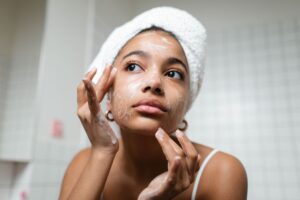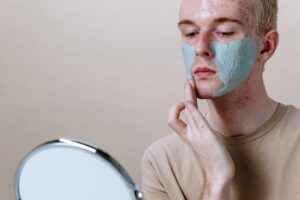
What most patients don’t know is that tea tree oil cannot fade existing post-inflammatory hyperpigmentation—despite what beauty brands claim. Dermatologists understand this distinction clearly: tea tree oil works primarily as a *preventative agent* by reducing acne formation, which stops PIH from developing in the first place. If you already have dark spots from past breakouts, tea tree oil alone won’t lighten them.
A patient with moderate acne who uses tea tree oil consistently may prevent new PIH from forming, but if she already has persistent brown marks from previous inflammation, switching to proven fading agents like azelaic acid or cysteamine cream will deliver visible results where tea tree oil cannot. The gap between marketing and evidence has created widespread confusion. Dermatologists routinely encounter patients who’ve spent months applying tea tree oil to established hyperpigmentation without improvement, then become frustrated when they learn stronger treatments were needed from the start. This article separates what dermatologists actually know from what the skincare industry wants you to believe.
Table of Contents
- Why Dermatologists Distinguish Between Tea Tree Oil’s Preventative and Treatment Roles
- The Limited Evidence for Fading Existing Dark Spots
- What Sunscreen Reveals About Effective PIH Prevention
- Clinical-Grade Alternatives That Actually Fade Hyperpigmentation
- The Critical Timeline and When Dermatologists Recommend Switching Treatments
- Emerging 2026 Regenerative Approaches for Facial Hyperpigmentation
- The Future of PIH Management and What Dermatologists Expect in Coming Years
- Conclusion
Why Dermatologists Distinguish Between Tea Tree Oil’s Preventative and Treatment Roles
Tea tree oil has genuine antimicrobial and anti-inflammatory properties—this part is real. Research published in the NIH/PMC journal *Tea Tree Oil: Properties and the Therapeutic Approach to acne* confirms that tea tree oil reduces bacterial colonization and inflammatory response in acne lesions. However, reducing acne inflammation is fundamentally different from reversing the melanin deposits already laid down in the skin. Once a breakout has resolved and left behind hyperpigmentation, tea tree oil’s anti-inflammatory action is no longer relevant—the inflammation has already caused the melanin response. Think of it this way: preventing a house fire is easier than rebuilding after one burns.
Tea tree oil prevents the fire. But if your house has already burned down, preventing future fires won’t restore what was lost. For patients with active acne, consistent tea tree oil use can genuinely reduce the formation of new PIH by keeping inflammation minimal. For patients with established dark spots, however, the inflammation stage has passed, and you need agents that specifically target melanin redistribution—which tea tree oil does not do. Dermatologists also note that tea tree oil’s preventative benefit only applies to acne-prone individuals who use it consistently *before* severe inflammation occurs. Once a cystic breakout has happened, the damage pathway is already activated, and post-inflammatory hyperpigmentation will likely develop regardless of whether you start tea tree oil afterward.

The Limited Evidence for Fading Existing Dark Spots
The clinical evidence for tea tree oil fading *existing* PIH is sparse and unconvincing. No peer-reviewed studies demonstrate that tea tree oil can measurably lighten established hyperpigmentation in the way that azelaic acid, adapalene, or cysteamine cream can. This absence of evidence is the real story that separates dermatology practice from skincare marketing. When dermatologists examine a patient with brown marks from past inflammation, they do not prescribe tea tree oil as a primary treatment—they prescribe agents with demonstrated efficacy in clinical trials.
A critical limitation dermatologists warn about: essential oils can trigger irritation or contact dermatitis in sensitive individuals, which paradoxically can *worsen* hyperpigmentation through additional inflammation. Someone with darker skin tones or a history of sensitive skin applying tea tree oil to treat PIH risks creating new inflammatory triggers, potentially deepening the very discoloration they’re trying to fade. This risk-benefit profile makes tea tree oil an unattractive choice compared to gentler, well-studied alternatives like sunscreen combined with azelaic acid. The timeframe dermatologists recommend testing any topical agent for PIH is 6-8 weeks of consistent use. If you see no measurable lightening after that window, it’s time to transition to clinical-grade treatments rather than continuing with ineffective options.
What Sunscreen Reveals About Effective PIH Prevention
dermatologists consistently identify sunscreen as the single most effective preventative measure for post-inflammatory hyperpigmentation—more powerful than any active ingredient, including tea tree oil. A systematic review of PIH prevention research through February 2025 published in the *Australasian Journal of Dermatology* ranked sunscreen (alone or combined with other ingredients) at the top of the evidence hierarchy. This makes biological sense: UV exposure stimulates melanin production and darkens existing hyperpigmentation, while consistent daily sunscreen use prevents that darkening response. Consider a patient with mild post-acne marks who neglects sunscreen during summer versus one who applies SPF 30 daily. The first patient’s marks will deepen and become more visible as melanin responds to UV exposure.
The second patient’s marks will fade naturally as skin turns over, and new melanin production is prevented. No topical active ingredient—not retinoids, not vitamin C, not tea tree oil—can overcome the damage of unprotected sun exposure to hyperpigmented areas. This insight reveals why dermatologists often recommend sunscreen as the foundational step before or alongside any other PIH treatment. Tea tree oil offers zero photoprotection, while sunscreen simultaneously prevents darkening and allows natural skin turnover to gradually fade marks. The most effective dermatologist approach combines strict sun avoidance with active fading agents, not essential oils.

Clinical-Grade Alternatives That Actually Fade Hyperpigmentation
When dermatologists need to fade established PIH, they reach for evidence-backed agents with different mechanisms than tea tree oil. Azelaic acid, adapalene (a retinoid), and cysteamine cream have all demonstrated measurable efficacy in clinical trials for lightening post-inflammatory discoloration. Azelaic acid works through normalizing melanin production and reducing tyrosinase activity. Adapalene accelerates cell turnover, helping hyperpigmented cells shed faster. Cysteamine cream acts as a depigmenting agent. Each has a different mechanism, but all have research supporting their use in PIH.
The most dramatic improvements dermatologists observe come from *combination therapy*—for example, glycolic acid peels followed by hydroquinone, or combination therapy using TCA (trichloroacetic acid) peels paired with platelet-rich plasma (PRP) injections. These multimodal approaches tackle hyperpigmentation from several angles simultaneously: mechanical exfoliation, chemical depigmentation, and regenerative signaling. A patient using tea tree oil alone will see minimal change; a patient undergoing combination therapy with proven agents often sees substantial lightening within 8-12 weeks. The tradeoff is access and cost. Combination therapy requires dermatology appointments, multiple products, and potentially professional procedures. Tea tree oil is inexpensive and available over-the-counter. However, if your goal is actually *fading* existing marks rather than preventing future ones, investing in evidence-based treatments delivers results that tea tree oil simply cannot match.
The Critical Timeline and When Dermatologists Recommend Switching Treatments
Dermatologists establish a clear clinical decision point: if you see no visible improvement in PIH after 6-8 weeks of consistent topical treatment, it’s time to escalate to stronger options. This timeline applies to tea tree oil just as it does to any topical agent. Many patients continue ineffective treatments for months out of hope or cost considerations, losing critical time during which faster-acting interventions could be working. A major caution dermatologists emphasize: essential oils are *not a substitute* for dermatologist-prescribed treatments.
If you’re dealing with significant hyperpigmentation affecting your skin confidence, seeking professional evaluation and evidence-based therapy is essential rather than optional. Some patients delay dermatology consultation because they assume they should “try natural options first,” inadvertently allowing their PIH window of optimal treatment responsiveness to pass. PIH does eventually fade naturally through skin cell turnover, but dermatologist-guided treatment accelerates this by months or years. The warning here is practical: tea tree oil works best as a low-risk, low-cost preventative for acne-prone skin *before* severe inflammation occurs. Once you have established hyperpigmentation, moving quickly to clinical-grade treatments is more cost-effective and time-efficient than extended trials of ineffective options.

Emerging 2026 Regenerative Approaches for Facial Hyperpigmentation
Recent research from early 2026 reveals promising new directions that go beyond traditional depigmenting agents. Combinations of hyaluronic acid with succinic acid, along with emerging exosome therapy, are showing measurable improvements in facial hyperpigmentation treatment. These regenerative approaches work through different pathways than sunscreen, retinoids, or azelaic acid—they stimulate skin repair and regeneration at a cellular level rather than simply blocking melanin production or accelerating cell turnover.
Exosome therapy, in particular, represents a frontier that dermatologists are watching closely. Early case reports demonstrate noticeable improvements in post-inflammatory hyperpigmentation, though larger clinical trials are ongoing. These advanced treatments remain expensive and available primarily through specialized dermatology centers, but they signal that the field is moving toward regenerative solutions for treatment-resistant PIH cases.
The Future of PIH Management and What Dermatologists Expect in Coming Years
As dermatology research advances through 2026 and beyond, the emphasis is shifting from single-agent treatments to integrated protocols that combine prevention (sunscreen, antioxidants), active fading (retinoids, depigmenting agents), and regenerative support (exosomes, growth factors). Tea tree oil’s role in this future is narrowing—it remains a reasonable preventative option for active acne, but it will be increasingly eclipsed by evidence-based alternatives for treating established hyperpigmentation.
Dermatologists anticipate that future PIH management will be increasingly personalized based on skin tone, baseline melanin production, and the depth of hyperpigmentation. Some patients will respond quickly to topical retinoids; others will require combination therapy or professional procedures. The common thread is that evidence-based treatment protocols will continue to move away from essential oils and toward rigorously tested pharmaceutical and regenerative approaches.
Conclusion
What dermatologists know that most patients don’t is a simple truth: tea tree oil works as an *acne preventative*, not as a PIH treatment. It reduces inflammation and bacterial colonization in active breakouts, which helps prevent dark spots from forming in the first place. But once post-inflammatory hyperpigmentation has developed, tea tree oil cannot fade the melanin deposits already laid down in the skin. The clinical evidence is clear, and the alternatives are numerous—azelaic acid, retinoids, cysteamine cream, professional peels, and emerging regenerative therapies all demonstrate superior efficacy for lightening established marks.
If you have active acne, tea tree oil is a reasonable, low-risk preventative option to reduce your future PIH risk. If you already have dark spots from past breakouts, consulting a dermatologist about evidence-based treatment is the most efficient path forward. The 6-8 week trial period is your decision point: if you see no improvement, escalate to stronger treatments rather than continuing with options that lack clinical support for your specific concern. Your skin’s best outcome depends on matching the right treatment to the right problem—and dermatologists have research guiding them toward solutions that genuinely work.
You Might Also Like
- Dermatologist Explains How Niacinamide Treats Post-Inflammatory Hyperpigmentation…What Most Patients Don’t Know
- Dermatologist Explains How Minocycline Treats Post-Inflammatory Hyperpigmentation…What Most Patients Don’t Know
- Dermatologist Explains How Glycolic Acid Treats Post-Inflammatory Hyperpigmentation…What Most Patients Don’t Know