

Green tea extract does offer some benefits for acne-prone skin, but the reality is more nuanced than supplement marketing suggests. Topical applications containing EGCG (epigallocatechin gallate), the active compound in green tea, have shown measurable anti-inflammatory effects in clinical studies and can reduce sebum production, making them a reasonable complement to other acne treatments. However, oral green tea supplements—whether capsules or brewed tea—have not demonstrated clear acne-fighting benefits in most research, despite widespread claims suggesting otherwise.
For example, a 2017 study published in *Dermatologic Therapy* found that participants using a topical green tea product showed a 58% reduction in acne lesions over 12 weeks, while studies on oral green tea supplementation for acne have produced inconsistent and modest results at best. The distinction between topical and oral applications matters because EGCG is poorly absorbed through the digestive system and unlikely to reach skin tissue in therapeutic concentrations when consumed as a beverage or tablet. If you’re considering green tea for acne, understanding this difference is critical to avoiding wasted time and money on products that won’t work for your skin. The science suggests topical green tea deserves a place in your routine, but oral supplements deserve skepticism.
Table of Contents
- What Does the Research Actually Say About Green Tea Extract and Acne?
- How Does Topical EGCG Actually Work Against Acne?
- Practical Benefits of Topical Green Tea for Different Acne Types
- When Green Tea Works and When It Doesn’t—Setting Realistic Expectations
- Common Pitfalls and Overstated Claims About Green Tea and Acne
- What About Green Tea in Other Formulations—Masks, Serums, and Extracts?
- The Future of Green Tea Research and What This Means for You
- Conclusion
What Does the Research Actually Say About Green Tea Extract and Acne?
The clinical evidence for topical green tea extract is surprisingly solid. Multiple randomized controlled trials have demonstrated that EGCG reduces acne lesions, with some studies showing efficacy comparable to benzoyl peroxide (a standard acne treatment) when applied to the skin for 6-12 weeks. The mechanism is straightforward: EGCG inhibits *Propionibacterium acnes*, the bacteria primarily responsible for inflammatory acne, and simultaneously reduces sebum production—meaning it attacks acne through two separate pathways.
One landmark 2012 study in *Dermatology Practical & Conceptual* found that a 2% green tea lotion reduced total acne lesions by 58% and sebum production by 28%, improvements that held steady over the 12-week treatment period. Oral green tea studies, by contrast, have been disappointing. While a handful of studies suggest potential benefits—including a small 2016 trial showing modest improvement in some patients—most research finds either no meaningful difference from placebo or effects too small to be clinically useful. The absorption problem is real: studies tracking EGCG levels in the bloodstream show that drinking green tea or taking green tea capsules results in minimal circulating EGCG, and the amount that reaches skin tissue is negligible. If you’re already drinking green tea for general health, that’s fine, but expecting it to treat acne is wishful thinking based on weak evidence.

How Does Topical EGCG Actually Work Against Acne?
EGCG functions as both an antimicrobial and anti-inflammatory agent, which explains why topical formulations work better than internal consumption. When applied directly to skin, EGCG can penetrate the sebaceous glands where acne bacteria thrive, and it appears to suppress the inflammatory cascade that turns bacterial colonization into visible, painful lesions. The antioxidant properties of EGCG also reduce oxidative stress in the skin, which may contribute to reduced sebum production—less sebum means fewer nutrients for acne bacteria and less of the oily skin environment that acne loves. For someone struggling with inflammatory acne, this dual action offers real advantages.
The major limitation here is formulation and concentration. Not all topical green tea products contain enough EGCG to be effective, and EGCG itself is chemically unstable—it degrades in sunlight and in the presence of oxygen. This means that a green tea product sitting on a store shelf for months will likely have lost much of its potency. A 2020 review in *Phytotherapy Research* found that products containing between 2-5% EGCG showed the strongest effects, but many commercial skincare products claiming green tea benefits contain far less. Additionally, EGCG can cause mild irritation or dryness in some people, particularly those with sensitive skin, so starting with lower concentrations and building up is wise.
Practical Benefits of Topical Green Tea for Different Acne Types
If your acne is primarily inflammatory (red bumps and pustules rather than whiteheads), topical green tea has a decent chance of helping. The reduction in sebum production also makes it particularly useful for people with oily, acne-prone skin—think of it as addressing one of the root causes of the problem rather than just killing bacteria on the surface. A dermatology patient with hormonal acne and oily skin who added a green tea toner to her morning routine reported not just fewer active lesions but also improved skin texture over three months, though she continued using her regular benzoyl peroxide treatment for more severe spots.
Topical green tea also plays well with other treatments. Unlike some acne medications that don’t combine well, green tea extract works alongside benzoyl peroxide, salicylic acid, and even prescription retinoids without significant interactions or increased irritation risk (though you should introduce new products gradually to monitor your skin’s response). This makes it a legitimate option for building a comprehensive acne routine rather than a standalone cure.

When Green Tea Works and When It Doesn’t—Setting Realistic Expectations
Green tea extract is better thought of as a supporting player than a starting lineup player in acne treatment. If your acne is mild to moderate and primarily inflammatory, topical green tea might be sufficient as a solo treatment, but there’s no guarantee. If you have moderate to severe acne, cystic acne, or acne that hasn’t responded to benzoyl peroxide or salicylic acid, adding green tea to your regimen won’t replace prescription-strength treatments. The research simply doesn’t support that level of efficacy.
Cost-benefit tradeoffs also matter. A quality topical green tea product might cost $15-30 per bottle and needs to be applied consistently—usually twice daily—for 8-12 weeks to see results. Benzoyl peroxide, by comparison, costs less, acts faster, and has stronger evidence behind it. So unless you’re already using benzoyl peroxide and want to add something, or unless benzoyl peroxide irritates your skin, green tea might not be the most efficient use of your money. For oral supplements, the tradeoff is even less favorable: you’re paying for a product with weak evidence when topical application (where the evidence is stronger) is available.
Common Pitfalls and Overstated Claims About Green Tea and Acne
One of the biggest issues with green tea and acne is the prevalence of overstated marketing claims. Supplement companies and skincare brands often suggest that green tea is a “natural alternative” to prescription treatments or that it can “cure” acne—neither is supported by evidence. Green tea can help, but it’s not a cure, and “natural” doesn’t automatically mean safer or more effective (some natural compounds are quite irritating to skin). Additionally, the stability problem mentioned earlier means that green tea products lose potency quickly after manufacture, especially if they’re not stored properly or exposed to heat and light in shipping.
Another warning: if you have caffeine sensitivity, be cautious with topical green tea products. While the amount of caffeine absorbed through topical application is generally minimal, it’s not zero, and some people report jitteriness from green tea skincare applied near the face (close to the brain and sensitive tissues). Similarly, green tea can interact with certain medications, though this is more of a concern with oral supplements than topical products. If you’re on blood thinners, high-dose vitamin K supplements, or certain other medications, consult your doctor before adding green tea supplements to your routine, even though research on topical products is more reassuring.
What About Green Tea in Other Formulations—Masks, Serums, and Extracts?
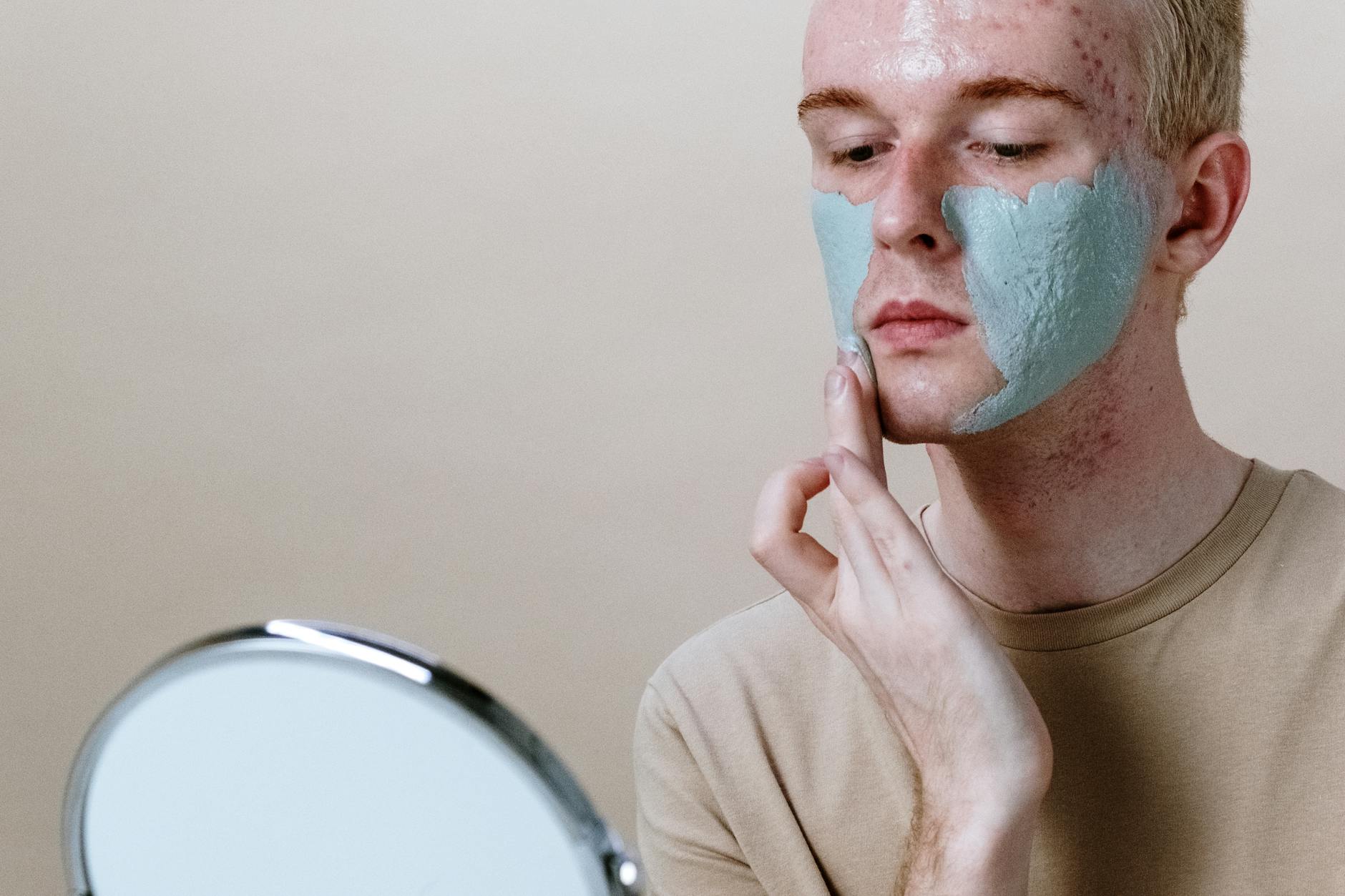
Green tea appears in acne products in multiple forms: serums, moisturizers, masks, and as part of combination products. A green tea serum is likely more effective than a low-concentration green tea toner because the EGCG concentration is higher and it’s designed to penetrate deeper into skin. Masks are less useful for regular acne treatment (you’re applying them once or twice weekly) but can offer a soothing, anti-inflammatory boost if your skin is irritated.
Combined formulations—say, green tea plus niacinamide plus salicylic acid—can be helpful as long as the green tea concentration is meaningful and you’re not paying a premium just for the green tea name. One specific example: a popular brand’s green tea clay mask contains 3% EGCG and is applied for 10-15 minutes once or twice weekly. Users report temporary improvement in redness and congestion, but it’s not a replacement for daily acne treatment. It works better as an add-on for people already using a solid core routine.
The Future of Green Tea Research and What This Means for You
Dermatologists continue to study EGCG and green tea derivatives, with emerging research exploring whether modified forms of EGCG might overcome the stability and absorption problems that limit current products. Some promising early work suggests that nano-formulations or encapsulation techniques might make green tea extract even more effective, but these aren’t widely available yet.
For the foreseeable future, topical green tea remains what it is: a modestly effective, generally safe option with decent evidence behind it, not a breakthrough treatment. The acne treatment landscape is shifting toward personalized approaches and combination therapies, and green tea fits better into that framework than it ever did as a standalone solution. If you’re building a routine tailored to your specific acne type and concerns, topical green tea deserves consideration—not hype, but genuine consideration based on the science.
Conclusion
Green tea extract, specifically its EGCG compound, shows measurable anti-inflammatory and antimicrobial benefits when applied topically, making it a reasonable addition to an acne-fighting routine. Clinical studies demonstrate effectiveness comparable to some mainstream treatments over 8-12 weeks of consistent use. However, oral green tea supplements lack meaningful evidence for acne treatment, so drinking tea or taking green tea capsules won’t produce the same results, regardless of marketing claims.
The distinction between topical and oral application is crucial because EGCG is poorly absorbed through the digestive system. If you’re considering green tea for acne, look for topical products with 2-5% EGCG concentration, ensure proper storage to maintain potency, and view it as a complement to proven treatments rather than a replacement. If your acne is mild to moderate and primarily inflammatory, topical green tea might be your primary tool; if it’s more severe, incorporate green tea alongside other evidence-backed treatments like benzoyl peroxide, salicylic acid, or prescription retinoids. Start with a patch test to ensure your skin tolerates it, and give it 8-12 weeks of consistent use before deciding whether it’s working for you.
You Might Also Like
- Fact Check: Can Drinking Aloe Vera Juice Clear Skin? Internal Aloe Use Has No Proven Effect on Acne. Topical Aloe Soothes but Doesn’t Treat
- Fact Check: Is Cerave AM Moisturizer Good for Acne? Contains Niacinamide and SPF but the Moisturizer Itself Won’t Treat Active Breakouts
- Fact Check: Does CBD Oil Treat Acne? Anti-Inflammatory Properties Are Promising but No FDA-Approved CBD Acne Treatment Exists