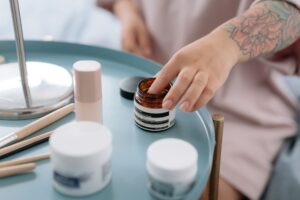
The sulfate-free cleanser boom has created a persistent myth: that ditching sulfates is a near-guaranteed fix for acne-prone skin. The reality is messier. Sulfate-free cleansers work exceptionally well for some people and barely register as an improvement for others. The deciding factor isn’t the absence of sulfates themselves, but whether your particular skin chemistry tolerates the specific surfactants and other ingredients in the product. A person with dehydrated acne might see dramatic improvement by switching from a stripping sulfate cleanser to a gentler formulation.
Meanwhile, someone with oily, congestion-prone skin might find that sulfate-free options leave a residue that actually worsens breakouts. The goal of this article is to cut through the marketing noise and help you understand when sulfate-free cleansers genuinely matter for acne, and when they’re simply a trend that doesn’t apply to your skin. What drives this confusion is that “sulfate-free” gets marketed as a standalone benefit when it’s really just one variable in a much larger equation. The cleanser that works best for your acne depends on your skin’s pH sensitivity, barrier integrity, oiliness level, the types of bacteria colonizing your skin, and your tolerance for specific cleansing agents. Switching to sulfate-free might help, hurt, or do nothing—it all comes down to individual tolerance and the exact formulation you choose.
Table of Contents
- Do Sulfates Actually Cause Acne?
- Individual Tolerance: Why the Same Cleanser Works Differently for Different People
- Testing Cleansers: What Real Results Look Like
- Choosing the Right Cleanser Beyond the Sulfate Question
- The Residue Problem and Over-Cleansing Traps
- Other Factors That Often Matter More Than Sulfate Content
- The Evolution of Cleansing Science and Personalization
- Conclusion
- Frequently Asked Questions
Do Sulfates Actually Cause Acne?
Sulfates—primarily sodium lauryl sulfate (SLS) and sodium laureth sulfate (SLES)—are anionic surfactants that break down oils and dirt so water can rinse them away. The idea that they cause acne stems from a misunderstanding of how they work. Sulfates themselves don’t create acne bacteria or trigger inflammation. What they do is strip the skin’s natural oils and disrupt the acid mantle (the thin protective layer on your skin’s surface). For some people, this stripping effect is counterproductive: damaged skin barrier → increased water loss → skin compensates by producing more sebum → clogged pores → more acne.
For others, the strong cleansing action prevents oil and debris from accumulating, which helps control breakouts. The real issue is that sulfates are irritating and drying at the concentrations found in many drugstore cleansers. A study published in the *Journal of Cosmetic Dermatology* found that sodium lauryl sulfate at 2% concentration reduced skin hydration and compromised barrier function after just 15 minutes of exposure. However, the concentration and contact time matter enormously. A sulfate cleanser you rinse off in 30 seconds has less impact than one you leave on your skin for two minutes. Additionally, some sulfate-free formulations strip skin just as aggressively through other means—high pH, excessive amounts of non-sulfate surfactants, or alcohol content—so the “sulfate-free” label alone tells you nothing about irritation potential.

Individual Tolerance: Why the Same Cleanser Works Differently for Different People
Your skin’s tolerance to a cleanser depends partly on genetics, partly on your current skin condition, and partly on what you’re already using. Someone with an intact, resilient skin barrier might use a sulfate cleanser indefinitely without problems. Someone whose barrier is already compromised—from prescription retinoids, over-exfoliation, or a skin condition like rosacea—will likely react badly to the same product. This is why personal testing, not ingredient lists alone, determines what works. Consider two real cases: User A has oily, resilient skin with a history of hormonal acne.
She’s been using a 2% salicylic acid treatment, which can be drying, so she needs a cleanser that doesn’t add insult to injury. She switches from a sulfate-based foaming cleanser to a sulfate-free option with a creamy texture, and her skin improves noticeably—less irritation, fewer cystic breakouts, and better texture. User B has the same skin type and the same treatment routine, but when she switches to the same sulfate-free cleanser, her breakouts actually worsen because the cream-based formula leaves a film on her skin that doesn’t rinse completely, and that film traps bacteria. For her, a different non-sulfate option with better rinsability works better, or she needs to stick with a gentle sulfate cleanser and focus on barrier repair elsewhere in her routine. The identical cleanser produced opposite results because of subtle differences in how each person’s skin metabolizes the ingredients and reacts to residue.
Testing Cleansers: What Real Results Look Like
The only way to know if a sulfate-free cleanser (or any cleanser) will help your acne is to test it properly. Dermatologists recommend a three-to-four-week trial period, using the new cleanser consistently while keeping other variables constant. During this time, your skin is actually adjusting—some people experience a brief increase in breakouts as the skin recalibrates after years of being stripped, a phenomenon sometimes called the “adjustment period.” If you abandon a cleanser after one week because you broke out, you might have missed the point where it would have worked. A practical testing approach: For one month, use the new cleanser twice daily (morning and night), with no other routine changes. Track your acne visibly—count active breakouts, note their severity (surface whiteheads vs.
cystic), and observe skin texture and oiliness. After four weeks, you’ll have enough data to assess whether this cleanser is moving the needle. If your acne is noticeably less severe, the cleanser is likely a good fit for your skin. If there’s no change or it’s worse, move to a different option. This methodical approach prevents you from chasing the “sulfate-free” label as a solution and instead forces you to evaluate what actually happens to your skin.

Choosing the Right Cleanser Beyond the Sulfate Question
Choosing a cleanser for acne-prone skin requires looking beyond sulfate status to other key properties: pH, surfactant type, and additional actives. A good acne cleanser typically has a pH between 4.5 and 5.5, matching your skin’s natural pH and minimizing irritation. If a cleanser’s pH is 8 or higher, it will disrupt your acid mantle regardless of whether it contains sulfates. Some sulfate-free cleansers are formulated at very high pH, which is actually worse than a low-pH sulfate cleanser. Surfactant type also varies widely.
Some people tolerate gentler surfactants like cocamidopropyl betaine or decyl glucoside beautifully and break out when they use sulfates. Others find those alternatives leave residue or don’t clean effectively enough. There’s no universal “best” alternative—it’s about finding what works for your skin. Additionally, some acne-focused cleansers include ingredients like salicylic acid, azelaic acid, or niacinamide that add acne-fighting benefits beyond basic cleansing. A sulfate-free cleanser without acne-targeting ingredients might not perform as well as a sulfate-containing cleanser with 2% salicylic acid, because the active ingredient does some of the heavy lifting. When you’re evaluating cleansers, look at the full formulation and not just the sulfate status.
The Residue Problem and Over-Cleansing Traps
One issue that trips up people switching to sulfate-free cleansers is residue. Many sulfate-free formulations, especially creamy or oil-based ones, don’t rinse as completely as their sulfate counterparts. This residue can feel hydrating initially, but if your skin is congestion-prone, it can trap bacteria and exacerbate acne. A person might conclude “sulfate-free cleansers don’t work for me” when the real issue is that they need a sulfate-free cleanser with better rinsability, or they need to rinse more thoroughly, or they’re simply not wiping the formula off with a washcloth or exfoliating brush before rinsing.
Another trap is over-cleansing in pursuit of “purity.” Some people think if a sulfate cleanser is bad, using multiple cleansers or harsh manual scrubbing with a sulfate-free option will be better. This backfires. Over-cleansing—whether with sulfate or sulfate-free products—damages the skin barrier, disrupts the microbiome, and often triggers a rebound effect where skin becomes even oilier. The right approach is one gentle cleanse per day (or two if your skin is very oily), combined with a hydrating toner or moisturizer afterward to restore the skin barrier.

Other Factors That Often Matter More Than Sulfate Content
Acne is multifactorial, and cleanser choice is just one piece. For many people, what’s in their cleanser matters less than what they’re doing the rest of the time. A person using a sulfate-free cleanser but applying heavy occlusive moisturizers over active acne won’t see improvement.
Someone using a mild sulfate-free cleanser but then applying a drying benzoyl peroxide treatment twice daily might still damage their barrier. Additionally, diet, sleep, stress, and hormonal cycles influence acne severity far more than most people realize. A study in *Nutrients* found that high-glycemic-index foods correlate with acne severity in some individuals, not because of any topical cleanser choice, but through systemic inflammation. Changing your cleanser can help, but it’s not a substitute for addressing these broader factors.
The Evolution of Cleansing Science and Personalization
The skincare industry is gradually moving away from broad categorical claims like “sulfate-free is better” toward more personalized approaches. Brands are now formulating multiple versions of cleansers with different surfactant systems, pH levels, and additional actives so that people can find the one that matches their specific skin chemistry rather than assuming one formula works for everyone. Additionally, dermatologists are increasingly using tools like skin microbiome analysis and genetic testing to predict which cleanser ingredients a person is likely to tolerate well.
While these tests aren’t yet mainstream, they represent where acne treatment is heading: recognizing that ingredient tolerance is genuinely individual. The takeaway is that the sulfate-free trend has drawn attention to the importance of gentle cleansing and barrier health, which is positive. However, the specific formulation—pH, secondary surfactants, rinsability, and additional ingredients—matters far more than the presence or absence of sulfates alone. As skincare science matures, expect the conversation to shift from “is sulfate-free better?” to “which specific cleanser is better for your skin?”.
Conclusion
Sulfate-free cleansers aren’t universally better for acne, but they work brilliantly for many people—specifically those whose skin barrier was being compromised by sulfate-based formulations. The determining factor is individual tolerance, not the sulfate status itself. A high-quality gentle sulfate cleanser can outperform a poorly formulated sulfate-free one, and vice versa. What matters is finding a cleanser that cleans effectively without over-stripping, maintains an appropriate pH, and works with your skin’s chemistry rather than against it.
To find your ideal acne cleanser, stop looking for the magic ingredient to avoid and start testing formulations systematically. Commit to a three-to-four-week trial with consistent use, track the results, and adjust based on what actually happens to your skin—not on marketing claims or what works for someone else. If sulfate-free cleansers feel better and your acne improves, they’re the right choice for you. If you tolerate sulfates well and don’t see improvement with sulfate-free alternatives, that’s equally valid. The best acne cleanser is the one that cleans your skin gently, supports your barrier health, and doesn’t trigger breakouts—whether it contains sulfates or not.
Frequently Asked Questions
If I have acne, should I definitely use a sulfate-free cleanser?
Not necessarily. If your current cleanser is stripping and you’re noticing dryness, irritation, or barrier damage, switching to sulfate-free might help. But if your cleanser isn’t the problem—if your skin tolerates it well and your acne is being driven by hormones, diet, or other factors—changing cleansers won’t fix your breakouts.
How long should I use a cleanser before deciding if it works?
Give it at least three to four weeks of consistent, twice-daily use while keeping everything else in your routine the same. One to two weeks isn’t enough time for your skin to fully adjust, especially if you’re transitioning from a stripping cleanser to a gentler formula.
Can a sulfate-free cleanser make acne worse?
Yes, if it’s poorly formulated (wrong pH, too much residue, irritating secondary surfactants) or if it doesn’t clean effectively for your skin type. This is why testing matters—the sulfate-free label alone tells you nothing about whether a specific product will help or hurt your skin.
Should I use the same cleanser for my face and body?
No. Facial skin is more sensitive and delicate than body skin, and acne-prone facial skin has specific needs. A body wash formulated for sulfate-free cleansing might still be too harsh or irritating for your face, even if it works fine on your body.
Is a more expensive sulfate-free cleanser always better?
Not always. Some expensive brands rely on the “natural” or “sulfate-free” marketing while using irritating secondary surfactants or wrong pH levels. A well-formulated affordable cleanser will outperform a poorly formulated expensive one. Compare the full ingredient list and pH, not the price tag.
What should I do if a sulfate-free cleanser makes my acne worse?
Stop using it and return to your previous cleanser or try a different formulation. You might need a different type of sulfate-free cleanser with better rinsability, or you might simply tolerate sulfates better than sulfate-free alternatives. Don’t force a product that’s making your skin worse in hopes it will eventually work.
You Might Also Like
- Fact Check: Does Cetaphil Gentle Cleanser Treat Acne? No. It’s a Cleanser Designed for Sensitive Skin, Not Active Acne
- Fact Check: Can Aloe Vera Cure Acne? Soothing Properties Exist but It’s Not a Standalone Acne Treatment
- Fact Check: Is Hyaluronic Acid Good for Acne? It Hydrates Skin but Doesn’t Treat the Root Causes of Acne