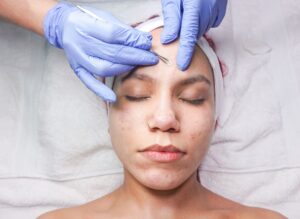
Most acne patients don’t rush to a dermatologist’s office at the first sign of a breakout. Instead, they spend months or even years trying a seemingly endless parade of over-the-counter products—face washes, spot treatments, toners, serums, and masks—in hopes of finding the one solution that finally works. According to dermatologists quoted in American Medical Association patient education materials, “usually once a patient is in my office, they have tried over 10 different acne treatments.” The reality is sobering: over 70% of patients with acne vulgaris wait at least a full year before seeing a dermatologist and instead self-treat with whatever products they can find at the drugstore.
This article explores why so many acne sufferers exhaust their options before seeking professional help, what happens to the skin during this extended trial-and-error period, and how to recognize when it’s time to stop experimenting and schedule an appointment with a dermatologist. The journey from hopeful first purchase to dermatologist’s chair is often longer and more damaging than it needs to be. While it’s understandable to try treating acne at home first, the cumulative effect of using multiple products—especially those containing overlapping active ingredients—can actually worsen the condition. Understanding this pattern and the research behind it can help you make better decisions about your own skin health.
Table of Contents
- Why Do Acne Patients Try Multiple Products Before Seeking Professional Help?
- How Multiple Products Damage Your Skin Barrier
- The Over-the-Counter Trap and Its Limitations
- When OTC Treatments Work and When They Don’t
- Common Mistakes When Selecting Multiple Acne Products
- The Cost of Delaying Professional Care
- Taking the Step Toward Professional Care
- Conclusion
- Frequently Asked Questions
Why Do Acne Patients Try Multiple Products Before Seeking Professional Help?
The first reason most people turn to over-the-counter products instead of immediately consulting a dermatologist is simply accessibility and cost. A tube of acne cleanser or spot treatment costs $8 to $20; a dermatology visit typically runs $150 to $300 without insurance. For many people, especially younger patients still living at home or without established health insurance, the financial barrier makes self-treatment feel like the only realistic option. There’s also a cultural expectation that acne is a minor skin issue you should be able to handle yourself, not something warranting a doctor’s visit. Another driving factor is the sheer volume of marketing behind over-the-counter acne products. Social media, drugstore shelves, and influencer recommendations create an illusion of choice and the promise that the next product will be different.
A patient might try a cleanser from one brand, then a toner from another, then a targeted serum, each time thinking they’ve found a new angle or active ingredient that could work. The problem is that most acne—particularly moderate to severe cases—cannot be effectively treated without prescription-strength medications like retinoids, antibiotics, or hormone treatments that dermatologists prescribe. Over-the-counter alternatives simply lack the strength to address the underlying causes of persistent acne. Finally, many acne patients don’t realize how serious their condition is until significant time has passed. Acne often develops gradually, with each month bringing slightly worse breakouts. By the time someone thinks “I should see a doctor,” they’ve already spent 6 to 12 months trying drugstore solutions, and the mental shift to professional care feels like a bigger decision than it actually is. This delay means patients often arrive at the dermatologist’s office not as a first step, but as a last resort—only about 3 in 10 patients surveyed reported ever going to a dermatologist for acne treatment at all.
How Multiple Products Damage Your Skin Barrier
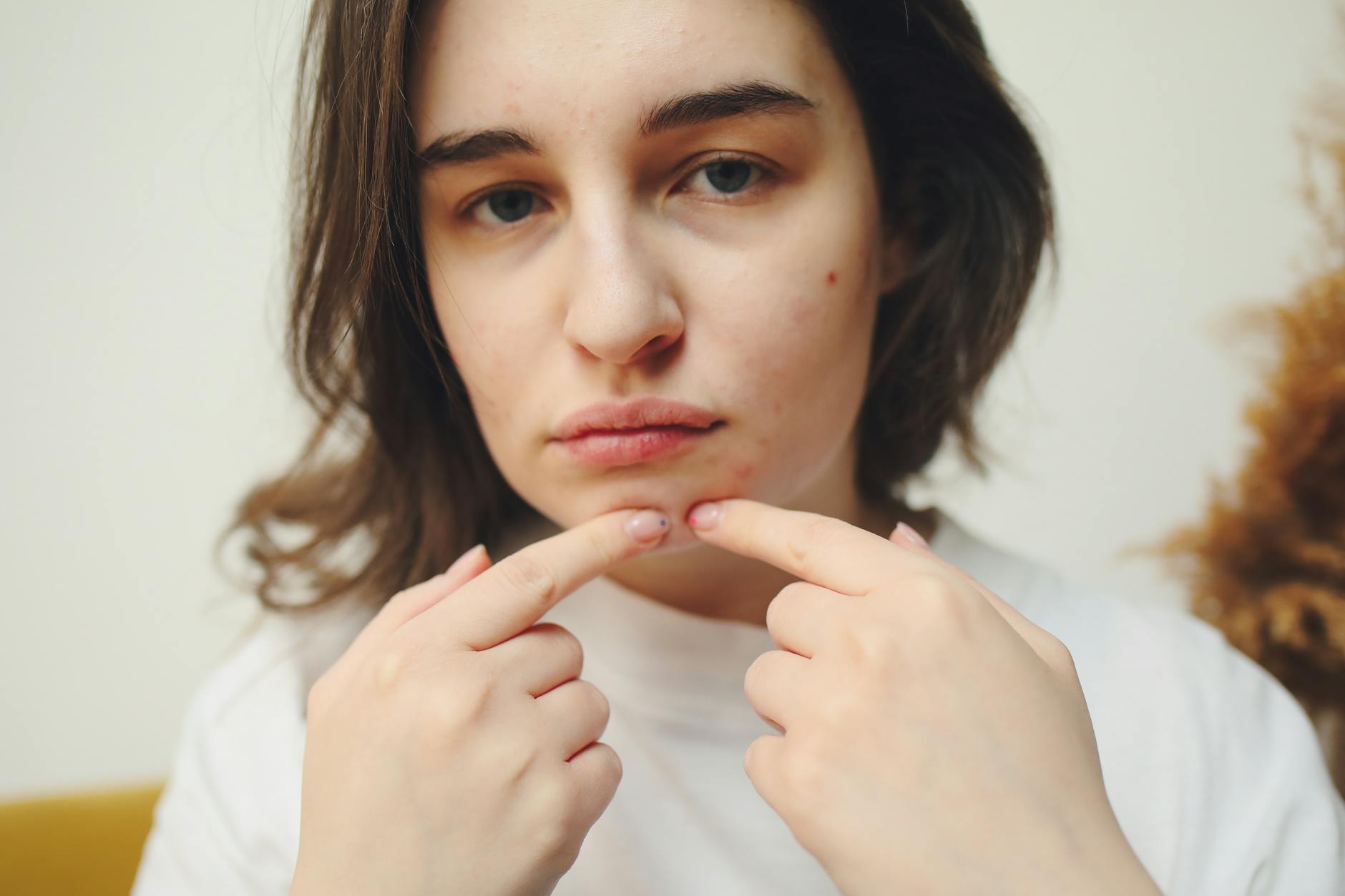
When acne patients try several products simultaneously in hopes of finding the magic combination, they often end up causing a different problem: a compromised skin barrier. One common pattern is using multiple exfoliating products at the same time. Research shows that patients frequently use 3 different products simultaneously containing exfoliating ingredients—whether alpha-hydroxy acids, beta-hydroxy acids, or physical exfoliants—which creates excessive dryness and skin barrier damage. The skin barrier is your epidermis’s protective layer, and when it’s damaged, your skin becomes more irritated, more sensitive, and ironically, more prone to acne and other issues. The damage from overuse of exfoliating and active-ingredient-heavy products isn’t always immediately obvious. Many people assume that if their skin feels tight or flaky, they just need to add more moisturizer, so they continue using the same harsh products.
However, if the underlying products are damaging the barrier, moisturizer alone won’t fix it—you need to stop the damage first. This can create a vicious cycle where patients use more and more products trying to repair what previous products broke, compounding the problem over months. It’s also important to note that not all product combinations are equally problematic. Using a gentle cleanser with one targeted acne treatment is different from using a cleanser, exfoliant, mask, and spot treatment all in the same routine. However, if you’re consistently trying new products every few weeks, your skin never gets the chance to stabilize or show whether a product is actually working. Most active acne treatments need 6 to 8 weeks of consistent use to show meaningful results, but the pattern of frequent product-switching means most people never actually test anything long enough to know.
The Over-the-Counter Trap and Its Limitations
The over-the-counter acne market is built on a fundamental mismatch: the most effective acne treatments require prescription access because they’re potent enough to have side effects and need professional monitoring. Prescription retinoids, oral antibiotics, oral contraceptives (for hormone-driven acne), and isotretinoin (Accutane) are in a different category entirely from anything available at the drugstore. Over-the-counter options—mainly benzoyl peroxide, salicylic acid, and low-strength retinol—can help with very mild acne, but they’re insufficient for the majority of cases that warrant multiple product trials. What often happens is that a patient’s acne falls into a “moderate” range where over-the-counter products theoretically could help, but in practice, the person’s specific skin type, acne triggers, or severity means they never quite work well enough. Instead of getting 80% improvement (which would be a win), they get 20% improvement and think they need to try a different product.
This false hope keeps people in the OTC cycle much longer than necessary. A dermatologist can diagnose whether your acne is hormone-driven, bacterial, fungal, or a combination, and prescribe accordingly—something no drugstore product can do. There’s also the issue of unverified claims in the OTC space. A product might be advertised as “dermatologist-recommended,” but that’s different from being tested in clinical trials or proven effective for your specific type of acne. Some OTC products are genuinely useful as complementary treatments alongside prescription care, but relying solely on them for moderate to severe acne is typically a waste of time and money.

When OTC Treatments Work and When They Don’t
Over-the-counter acne products do have a legitimate role—they’re just not always the right role that people assume. They can be effective for very mild acne, such as occasional breakouts triggered by specific products or environmental factors. If you get a pimple or two around your menstrual cycle or after using a certain sunscreen, a spot treatment with benzoyl peroxide or salicylic acid can genuinely help. Similarly, a gentle cleanser with low-strength salicylic acid can support overall skin health and prevent the early stages of acne formation. However, if you’re breaking out in multiple areas of your face, your acne persists for more than a few weeks at a time, or you’re dealing with cystic acne (those large, painful bumps under the skin), OTC products are unlikely to be sufficient.
The distinction is important because many people mistake this as a personal failure—thinking they didn’t “find the right product” when actually the right product for their situation is one they can’t buy without a prescription. The statistics bear this out: over 70% of acne patients delay professional care, but that delay doesn’t mean they eventually get better on their own. Instead, they eventually see a dermatologist because the problem has persisted or worsened. A good rule of thumb is the three-month test. If you’ve been using an OTC product consistently for three months and your acne hasn’t improved meaningfully, it’s time to see a dermatologist rather than switching to yet another product. This saves both money and skin damage in the long run.
Common Mistakes When Selecting Multiple Acne Products
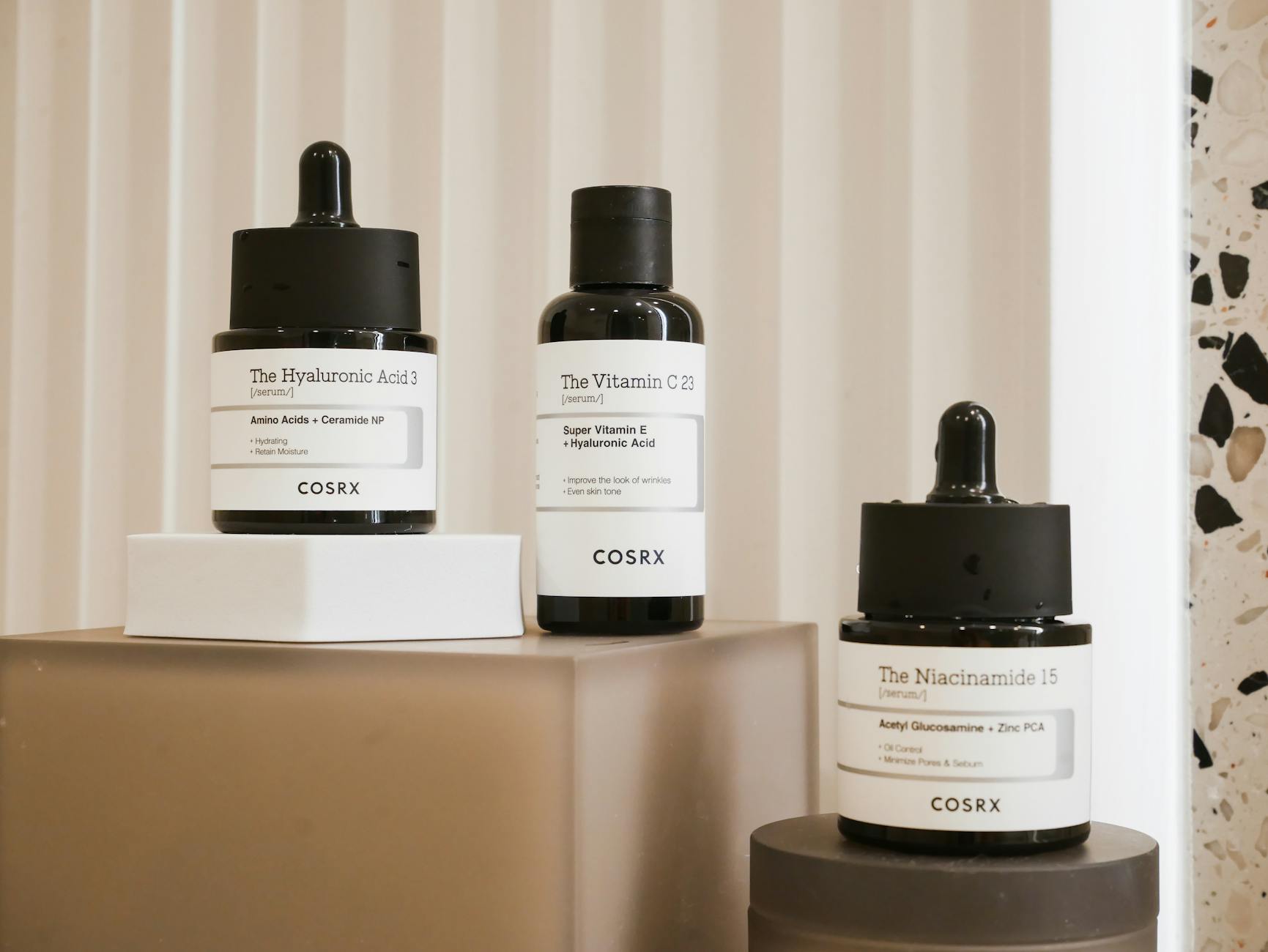
One of the most frequent mistakes acne patients make is choosing products based on ingredient hype rather than their skin’s actual needs. Someone reads that vitamin C is antioxidant-rich or that niacinamide reduces sebum production, so they buy three different products containing these ingredients. However, using multiple products with the same active ingredient is redundant at best and irritating at worst. The assumption that “more active ingredients equals better results” is particularly damaging. Another mistake is not reading the fine print about concentration levels or pH balance. A salicylic acid toner at 2% concentration is quite different from one at 0.5%, and using a low-pH cleanser (which aids exfoliation) combined with an exfoliating toner can create an overly harsh routine.
Many people don’t realize that their skincare ingredients are working against each other or that some products need to be spaced apart in the routine to be safe. For example, using a vitamin A product (like retinol) together with vitamin C can cause instability and irritation. Many patients also fail to account for the adjustment period. When you start a new acne treatment, your skin often gets worse before it gets better—a phenomenon called “purging.” This is especially true for retinoids. However, most people interpret this as the product not working and immediately switch to something else. They never give the product the chance to work because they don’t understand that temporary worsening can be a normal part of the process. A dermatologist can help distinguish between a purge (which typically lasts 2 to 4 weeks) and an actual bad reaction (which means you should stop using the product).
The Cost of Delaying Professional Care
The financial and physical costs of prolonged self-treatment can be substantial. While a dermatology visit costs more than a single acne product, repeatedly purchasing products that don’t work adds up quickly. Someone trying five different acne treatments at $15 to $30 each has already spent $75 to $150—and if they go through several cycles of this, they’re easily spending $300 to $500 or more on products that don’t address their underlying problem. A single dermatology visit and a prescription might cost $200 total, and that prescription could actually work. Beyond the financial cost, there’s the physical toll on your skin.
Extended use of multiple exfoliating or irritating products can lead to chronic inflammation, a compromised skin barrier, increased sensitivity, and sometimes even conditions like perioral dermatitis or rosacea triggered or worsened by product overuse. The acne you started with might improve somewhat due to random chance or natural skin cycle shifts, but you’ve now also damaged your skin barrier, which will take weeks or months to repair even after you stop using the problematic products. Some patients who have spent years trying every OTC option arrive at the dermatologist with both acne and a severely sensitized, inflamed complexion—making treatment more complicated. There’s also the psychological cost of prolonged acne that isn’t improving. Acne affects mental health, with documented links to depression and anxiety. Spending a year or more trying products without success can demoralize a person and delay them from seeking actual help when a prescription could genuinely change their situation in 6 to 8 weeks.
Taking the Step Toward Professional Care
Recognizing when it’s time to see a dermatologist is the critical turning point. The general consensus among dermatologists is that if acne is causing you significant distress, persisting across multiple areas of your face or body, or hasn’t responded to consistent, appropriate OTC care within three months, professional evaluation is warranted. This isn’t being dramatic or wasting a doctor’s time—it’s using medical expertise appropriately. When you do see a dermatologist, come prepared with a list of products you’ve already tried and how your skin responded to them.
This history saves the dermatologist time and helps them avoid recommending treatments you’ve already tested. Also be honest about how consistent you’ve been with routines; many people think they’ve given products a fair try when they’ve actually been switching between products every 2 to 3 weeks. A dermatologist can then prescribe something targeted to your skin type and acne cause, monitor your progress, and adjust as needed—something no over-the-counter routine can do. The majority of acne, including many moderate to severe cases, responds well to professional care once you actually access it.
Conclusion
The path from first breakout to dermatologist’s office is often unnecessarily long, expensive, and damaging to skin health. While it’s reasonable to try gentle over-the-counter options initially, the evidence is clear: most people trying multiple products before seeking professional care are delaying a solution that could work. Dermatologists report that patients typically try over 10 different treatments before coming to their office, and over 70% of people with acne wait at least a year before seeking professional help, but this delay doesn’t lead to better outcomes—it usually leads to more frustrated skin, wasted money, and ongoing acne that finally improves only after professional intervention.
If you’ve been trying different products for more than three months without meaningful improvement, or if your acne is widespread, persistent, or causing significant distress, scheduling a dermatology appointment is the logical next step. The investment in professional care almost always pays off faster than another round of drugstore shopping, and you’ll get the added benefit of expert guidance on protecting and repairing your skin barrier in the process. Your skin, and your patience, will thank you.
Frequently Asked Questions
How many products should I try before seeing a dermatologist?
If you’re consistently using one product for at least six to eight weeks and seeing no meaningful improvement, that’s a reasonable stopping point. If you’ve tried three different products over the course of three months, you have enough information to conclude that over-the-counter options alone aren’t solving your problem. Dermatologists report seeing patients who’ve tried over 10 treatments, which represents months of wasted time and money.
Does acne get worse before it gets better with acne products?
It depends. If you’re starting a prescription retinoid, a mild adjustment period (2-4 weeks of slightly increased breakouts) can be normal as the product helps your skin cycle through existing acne faster. However, this “purge” is not a sign that every acne product will cause initially. If a product is making you significantly worse, painful, or causing new types of reactions (hives, severe burning), you should stop and consult a dermatologist rather than waiting it out.
Can combining different acne products actually damage my skin?
Yes, especially if you’re combining multiple products with the same active ingredients or using multiple exfoliants simultaneously. Using three products with exfoliating ingredients at the same time is a common pattern that leads to skin barrier damage, excessive dryness, and increased irritation. Less is often more when it comes to active ingredients.
Why are prescription acne treatments so much more effective than over-the-counter ones?
Prescription retinoids, antibiotics, and hormonal treatments address the root causes of acne (bacteria, excess sebum production, inflammation, hormonal triggers) at a much stronger level than over-the-counter options. Over-the-counter products are regulated as cosmetics rather than drugs, which limits their active ingredient concentrations and approved claims. Most moderate to severe acne requires prescription-strength treatment to resolve.
Is seeing a dermatologist expensive if I don’t have insurance?
A dermatology visit typically costs $150 to $300 out of pocket, which is significantly more than a single acne product ($8 to $20). However, if you’re spending $50-100 per month on multiple OTC products over the course of several months without results, the dermatology visit often costs less than your product spending and actually solves the problem. Some dermatologists also offer payment plans or can recommend lower-cost treatment options.
How long does it take for prescription acne treatment to show results?
Most prescription acne treatments need 6 to 8 weeks of consistent use to show meaningful improvement. This is longer than most people expect, but it’s also why the frequent product-switching many people do with OTC products is counterproductive—they never give anything enough time to actually work.