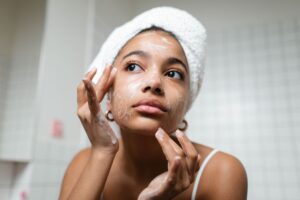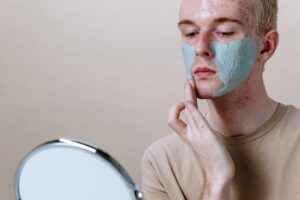
Yes, acne’s impact on work and school attendance is real and measurable. Research shows that 21% of acne patients have missed school because of their skin, while 16% have missed work or business meetings. For many, these absences aren’t frivolous—they represent days when acne breakouts felt too severe to face professional or academic settings. Beyond the direct absenteeism, the problem runs deeper: nearly 43% of acne patients report difficulty concentrating at work or school, and 35% experience moderate to extreme impacts on their ability to work.
This article examines the scope of acne-related work and school disruption, why it happens, and what can actually be done about it. The statistics paint a picture of acne as more than a cosmetic concern. For a teenager covering severe cystic breakouts with layers of concealer before an important presentation, or an adult calling in sick during a client meeting because of facial lesions, acne creates real friction in daily life. While not everyone with acne faces these consequences, a significant minority does—and their experiences are backed by clinical research, not just anecdotal complaints.
Table of Contents
- How Many Acne Patients Actually Miss Work or School?
- Beyond Absenteeism—The Broader Work and School Impact
- The Psychological Weight Behind the Statistics
- Treatment as a Path to Stability
- Severe Acne and the Limits of Self-Management
- Workplace and Academic Accommodations for Acne
- The Broader Public Health Perspective
- Conclusion
How Many Acne Patients Actually Miss Work or School?
The exact percentage varies depending on how the question is asked. A recent survey found that 21% of respondents reported missing school due to acne, while 16% had missed work or business meetings. A separate clinical study tracking employed or enrolled patients over a four-week period found that 12.3% had missed work or school specifically because of an acne breakout. The difference reflects the gap between lifetime prevalence (“Have you ever missed?”) and recent incidence (“Did you miss in the last month?”). What makes these numbers significant is that they represent millions of people.
In the United States alone, acne affects approximately 50 million people annually, with higher rates in teens and young adults. Even at the lower 12% recent-absenteeism rate, that translates to substantial economic and social disruption. For comparison, seasonal allergies drive about 3.6 million missed school days annually in the US—acne’s impact is in the same ballpark, yet receives far less public health attention. The impact isn’t uniform across age groups. Among teens, the disruption appears even more pronounced: 32% of teenagers report that acne makes them less likely to attend school. This suggests that as skin confidence increases with age, some patients develop better coping strategies—though for others, adult acne creates its own set of pressures around professional appearance.

Beyond Absenteeism—The Broader Work and School Impact
Direct absences are only part of the story. When researchers asked patients about overall impact on work or school performance, the numbers grew considerably. About 43.4% of acne patients reported difficulty concentrating at work or school due to their acne. Another 28.7% reported that acne actually interfered with work or school activities—meaning they attended but their performance was compromised. And 35.2% reported that acne had a moderate to extreme impact on their ability to work. This distinction matters because it shows that acne’s toll extends far beyond the days someone stays home.
A person might drag themselves to class or the office while constantly worried about how their skin looks, repeatedly touching their face, avoiding eye contact, or sitting in the back of the room. Their attendance record stays clean, but their engagement and performance tank. For someone in client-facing work—sales, customer service, teaching, healthcare—this internal distraction can translate directly into diminished professional effectiveness. However, it’s important to note that severity correlates heavily with impact. Someone with mild, scattered breakouts experiences minimal disruption. It’s patients with moderate to severe acne—particularly inflammatory or cystic acne that’s visible even with makeup—who report the highest rates of school/work avoidance and concentration problems. For them, the question isn’t just “Should I go?” but “Will I be able to focus on anything else today?”.
The Psychological Weight Behind the Statistics
Why would someone miss work or school over a skin condition? The answer lies in the psychology of acne, which extends well beyond vanity. Acne is inflammatory and visible—it’s hard to ignore or hide completely. For many, it triggers shame, social anxiety, and fear of judgment. A 21-year-old with severe nodular acne might genuinely believe that colleagues are judging their competence based on their appearance. A teenager with inflamed breakouts across their forehead might dread the cafeteria or group presentations. Research on adult acne specifically shows that women report higher rates of emotional distress and social withdrawal than men with comparable acne severity—likely due to stronger cultural messaging about female appearance.
A woman attending a business meeting with fresh cystic lesions might spend the entire meeting hyperaware of her skin, unable to focus on the content being discussed. That’s not weakness; it’s the documented psychological burden of a visible skin condition. One frequently overlooked factor is that acne is unpredictable. A patient can’t reliably know whether their skin will cooperate on a specific important day. Someone with chronic acne might avoid scheduling presentations, interviews, or important meetings because they’ve experienced the humiliation of showing up with a severe flare. This avoidance itself becomes a career or academic limiter, independent of the actual absences caused by acne.

Treatment as a Path to Stability
If acne can derail work and school attendance, then effective acne treatment becomes an investment in professional and academic stability, not just appearance. The most evidence-based treatments include topical retinoids, benzoyl peroxide, salicylic acid for mild to moderate acne, and oral medications like antibiotics or isotretinoin for severe cases. For many patients, the difference between untreated and treated acne is the difference between chronic worry and predictable skin. Someone on an effective regimen—whether that’s a daily skincare routine with adapalene and benzoyl peroxide, or oral isotretinoin for severe acne—can plan their calendar without the constant fear of a flare-up interfering. However, there’s a tradeoff: finding the right treatment takes time.
It’s common for patients to cycle through 2-4 different regimens before finding one that works without intolerable side effects. During that trial-and-error period, skin might actually worsen before improving, which can temporarily increase anxiety and avoidance. Early intervention matters. Teenagers who receive treatment during their first acne outbreak tend to report better long-term outcomes—both in terms of skin clearance and emotional resilience. Waiting years while hoping acne resolves on its own increases the risk of severe scarring and deepens the psychological impact. Starting treatment promptly isn’t vanity; it’s preventive healthcare.
Severe Acne and the Limits of Self-Management
For patients with severe, cystic, or nodulocystic acne, over-the-counter treatments and topical prescriptions often aren’t sufficient. These patients face a critical window where they need systemic treatment but may not have access to it—whether due to cost, inability to see a dermatologist, or geographic limitations. The result is prolonged periods of severe breakouts, high absenteeism, and compounding emotional distress. Isotretinoin (Accutane) is the only treatment that can produce long-term remission or cure of severe acne, but it requires monthly blood work, contraception for women of reproductive age, and close dermatological monitoring.
This gatekeeping—necessary for safety—means that patients with severe acne who need the most effective treatment also face the highest barriers to access. Someone without dermatological access might spend years cycling through antibiotics and topicals, perpetually flaring, perpetually missing work, while the definitive treatment remains out of reach. A significant limitation of acne research is that most studies focus on dermatological outcomes (clear skin) rather than functional outcomes (work attendance, academic performance, career advancement). We know that treatment improves skin, but we have less data on whether treatment actually reduces work/school absences. That gap is worth noting when evaluating the real-world impact of acne interventions.
Workplace and Academic Accommodations for Acne
Some patients benefit from formal or informal accommodations at work or school. For a teenager with severe acne, this might mean permission to step out of class to manage skin care, or flexibility around certain activities (like gym class). For an adult with a flare, it might mean remote work options or the ability to reschedule client-facing meetings. These accommodations don’t address the acne itself, but they reduce the pressure to perform while dealing with severe breakouts.
However, seeking accommodations requires disclosure—telling an employer or school about a skin condition. Many patients avoid this out of embarrassment or fear of being stigmatized. As a result, they suffer in silence rather than access available flexibility. The few employers and schools that have systematized acne accommodations tend to see improved attendance and performance in affected employees and students.
The Broader Public Health Perspective
Acne’s impact on work and school attendance is starting to receive more attention in public health research, but it remains underrecognized compared to its burden. The estimated $1.2+ billion annual economic impact from acne-related medical costs and lost productivity in the United States alone demonstrates that this isn’t a minor issue. Yet acne remains culturally trivialized—something people are expected to “just deal with” rather than a legitimate health concern worthy of investment in access to treatment and support.
Looking forward, the trend toward telehealth dermatology and increased insurance coverage for acne treatments may improve access and reduce the number of patients stuck in untreated severe acne. Workplace and school cultures that normalize skin conditions and offer flexibility for medical management could further reduce the functional impact. But until acne is framed as the health issue it is—rather than a cosmetic or character concern—some patients will continue missing school and work, not out of choice, but out of necessity.
Conclusion
Yes, at least 20% of acne patients report missing work or school because of their skin. But the full impact is larger: nearly 44% experience concentration difficulties, and 35% report moderate to extreme effects on their ability to work. These aren’t isolated incidents or dramatic exaggerations—they’re documented consequences of a medical condition that affects millions annually and carries a billion-dollar economic burden.
If you’re among those whose acne has disrupted your work or school, the first step is recognizing that the impact is real and treatable. Effective acne treatment—whether topical regimens, oral medications, or in severe cases, isotretinoin—can restore not just your skin, but your ability to attend and engage fully in your professional and academic life. Start by seeing a dermatologist or primary care provider to assess your acne severity and discuss treatment options suited to your skin type and lifestyle.
You Might Also Like
- At Least 73% of Dermatologists Say Patients Wait Too Long Before Seeking Professional Acne Treatment
- At Least 60% of Acne Patients Discontinue Prescription Treatment Within 6 Months Due to Side Effects
- At Least 90% of Acne Is Caused by Four Factors…Excess Oil, Clogged Pores, Bacteria, and Inflammation