No, slug mucin is not supported by clinical evidence as a treatment for acne. While snail mucin appears in skincare products and some people report using it for various skin concerns, there are no large-scale clinical trials proving it works as an acne treatment. This is a critical distinction—just because a product exists in the skincare market doesn’t mean it’s been tested for acne in rigorous human studies.
For example, you can find dozens of slug mucin serums marketed for “acne-prone skin,” but dermatologists cannot point to definitive clinical data showing these products actually reduce breakouts. The marketing around snail mucin has grown significantly over the past few years, particularly from K-beauty brands. This article examines what the science actually shows about slug mucin for acne, what compounds it contains, why one small study created some buzz, and what you should know before spending money on it as an acne solution.
Table of Contents
- What Does Research Actually Say About Slug Mucin for Acne?
- Lab Evidence Versus Human Evidence—Why the Gap Matters
- What’s Actually in Slug Mucin?
- The Maskne Study—Why One Positive Result Doesn’t Change the Bottom Line
- Why More Research Is Needed Before Making Acne Treatment Claims
- What Slug Mucin Might Actually Do
- What Should You Use Instead for Acne?
- Conclusion
What Does Research Actually Say About Slug Mucin for Acne?
The short answer is that real clinical evidence is sparse. A 2024 review in the Journal of Cosmetic Dermatology examined snail extract research and confirmed that while snail mucin is used in skincare, there are no large-scale clinical trials proving it as a primary acne treatment. Most research remains preclinical or involves very small studies. There is one exception that created recent buzz: a 2024 randomized placebo-controlled trial found that snail secretion filtrate reduced inflammatory acne lesions in maskne—acne specifically caused by prolonged mask wear.
However, this is a very narrow result. It doesn’t tell us whether snail mucin works for typical acne caused by bacteria, hormones, or excess oil production. This single study on maskne is sometimes cited as proof that slug mucin treats acne, but that’s a misreading of the evidence. The study examined one specific condition, not acne in general.
Lab Evidence Versus Human Evidence—Why the Gap Matters
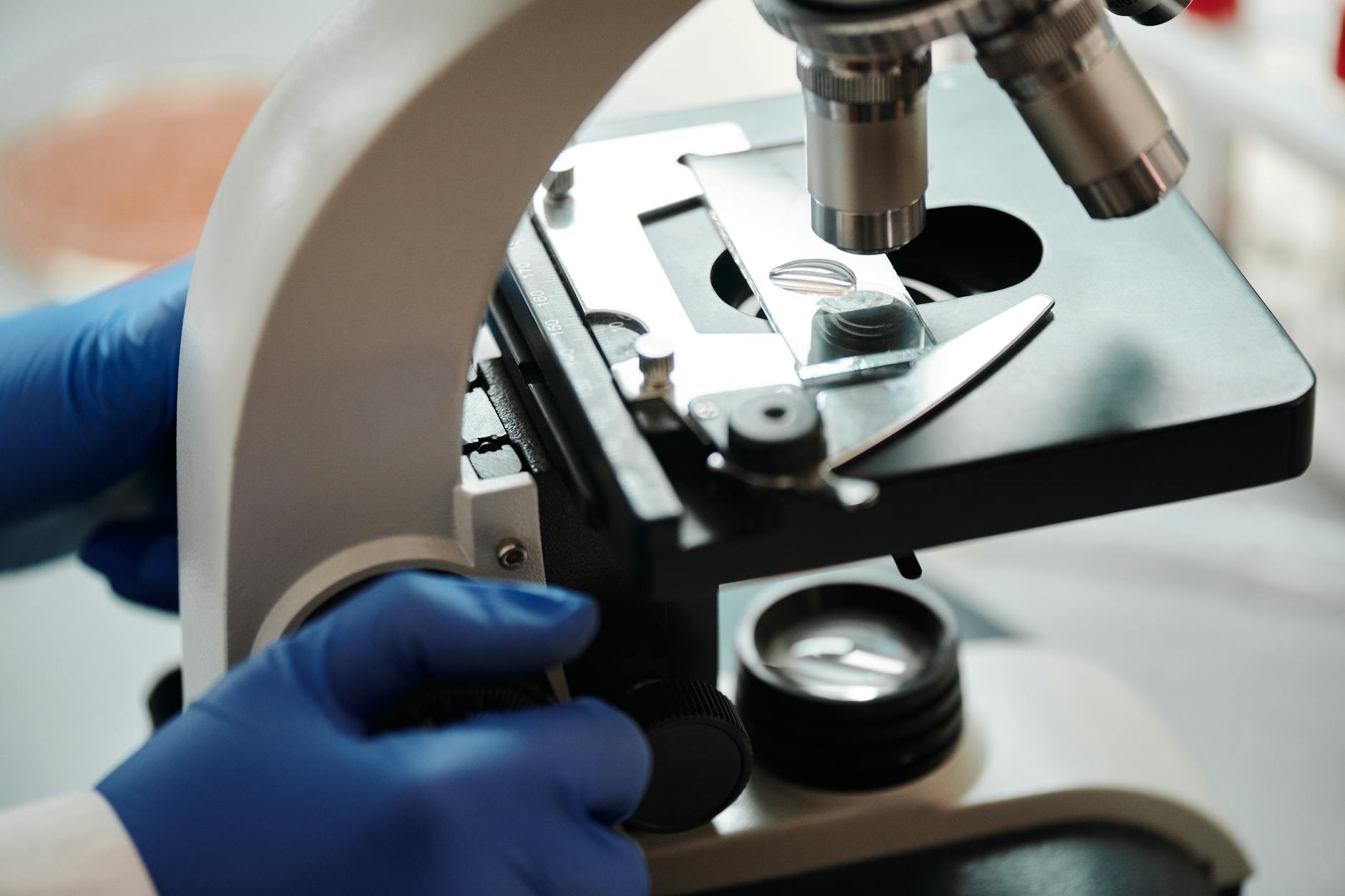
Laboratory studies have shown that snail mucus can combat bacteria that cause acne vulgaris, and Mayo Clinic has noted these antimicrobial findings. This sounds promising until you remember the crucial difference: bacteria die in a petri dish all the time. What matters clinically is whether a human applying snail mucin to their skin actually experiences fewer breakouts.
Here’s the limitation that often goes unmentioned: effect sizes aren’t well-established for acne. Even if snail mucin does have anti-inflammatory and antimicrobial properties, we don’t know if those properties are strong enough or sustained long enough to meaningfully reduce acne when you apply the product to your face. A skincare ingredient can have some biological activity without being a practical acne treatment. For instance, if an ingredient reduces bacteria count by 5% but proven acne medications reduce it by 70%, the first ingredient isn’t clinically relevant for someone struggling with breakouts.
What’s Actually in Slug Mucin?
Slug mucin contains identifiable chemical compounds that do have exfoliating and skin-conditioning properties. According to research from the National Center for Biotechnology Information, snail mucin contains 1.3% to 1.6% mucopolysaccharides and 3% to 5% glycosaminoglycans (GAGs). These molecules are humectants—they help skin retain water. The mucin also contains glycolic acid and lactic acid, which are alpha-hydroxy acids used in exfoliating products.
This chemical profile means slug mucin might offer gentle exfoliation and hydration. Exfoliation can be helpful as part of an acne routine because it removes dead skin cells that can clog pores. However, proven acne treatments like salicylic acid (a beta-hydroxy acid that penetrates pores) and benzoyl peroxide (an antimicrobial) have clinical backing that slug mucin doesn’t. If you’re choosing between slug mucin and a 2.5% benzoyl peroxide wash, the benzoyl peroxide has decades of proven efficacy for acne.

The Maskne Study—Why One Positive Result Doesn’t Change the Bottom Line
The 2024 maskne study deserves attention because it’s the strongest human evidence slug mucin has. The trial was randomized and placebo-controlled, which are gold-standard research design features. Participants using snail secretion filtrate showed reduced inflammatory acne lesions at multiple time points compared to placebo. But here’s what makes this different from an acne treatment approval: maskne is a specific, external trigger—prolonged friction and occlusion from mask wear.
It’s possible that snail mucin’s anti-inflammatory properties help when the primary irritant is friction and moisture trapping, not bacterial overgrowth or hormonal factors. This is like saying a study showing a product helps skin irritation from tape means it treats eczema. The conditions are related but not identical. If you have maskne specifically, this study is more relevant to you than if you have typical acne from oil production.
Why More Research Is Needed Before Making Acne Treatment Claims
The absence of large-scale clinical trials for acne is a genuine scientific problem. Dermatology has moved toward evidence-based practice, meaning treatments need to show efficacy in human studies. Slug mucin simply doesn’t have this track record for acne. WebMD notes that more rigorous research is needed before slug mucin can be considered an evidence-based acne therapy.
A warning: the skincare industry’s marketing sophistication can make unproven ingredients seem credible. If a product has beautiful packaging, testimonials from influencers, and mentions of “natural snail extract,” it’s easy to assume it’s been tested and proven. But snail mucin products are typically regulated as cosmetics, not drugs. Cosmetics have looser regulatory requirements than acne treatments classified as drugs. This means a slug mucin product on the market hasn’t necessarily been tested for acne efficacy the way a benzoyl peroxide product or adapalene has been.

What Slug Mucin Might Actually Do
This doesn’t mean slug mucin is useless for skin. If you have sensitive, dehydrated, or irritated skin, a snail mucin serum could potentially help because of its hydrating and gentle properties. Some people report that it soothes irritation or feels nice to apply.
The issue is positioning it as an acne treatment when the evidence doesn’t support that claim. Example: someone with mild, occasional breakouts and very dry skin might use a slug mucin serum as a hydrating step alongside proven acne treatments like a benzoyl peroxide cleanser or tretinoin. In this scenario, the mucin isn’t treating the acne—the proven treatments are—but it might reduce the dryness those treatments cause.
What Should You Use Instead for Acne?
If you have acne, dermatologists consistently recommend treatments with clinical evidence: benzoyl peroxide, salicylic acid, adapalene (tretinoin), and oral medications like doxycycline or isotretinoin for severe cases. These treatments have human trials showing efficacy. They’re not perfect—they have side effects and don’t work for everyone—but they’re grounded in evidence.
Going forward, it’s worth watching whether slug mucin attracts more rigorous research. If larger clinical trials eventually demonstrate efficacy for acne specifically, that evidence would change the picture. For now, the only realistic claim is that snail mucin might be a gentle, hydrating skincare ingredient that doesn’t worsen acne. Treating it as an acne cure is premature.
Conclusion
Slug mucin has become popular in skincare largely through marketing and social media, not through clinical proof of acne benefits. While lab studies show the ingredient has antimicrobial and anti-inflammatory properties, and one small human trial showed promise for maskne specifically, there are no large-scale clinical trials proving snail mucin is an effective acne treatment. This gap between lab promise and human evidence is common in skincare—many ingredients show activity in cells but don’t translate to meaningful clinical results.
If you’re struggling with acne, it’s worth investing in treatments that have actual clinical backing rather than betting on emerging ingredients. If you want to use slug mucin because you enjoy it and it doesn’t irritate your skin, that’s a reasonable personal choice, but don’t expect it to replace evidence-based acne treatments. Talk to a dermatologist about which clinically proven options fit your skin type and acne severity.
You Might Also Like
- Fact Check: Can Baking Soda Treat Acne? No. Its High pH Disrupts Skin Barrier and Can Worsen Breakouts
- Fact Check: Does Sun Exposure Help Acne? Temporary Improvement Masks Long-Term Damage and Scarring Risk
- Fact Check: Does Niacinamide Replace Retinol for Acne? No. They Work Differently and Are Often Used Together