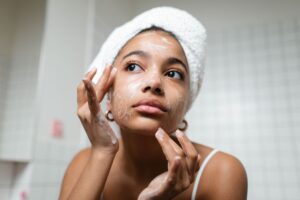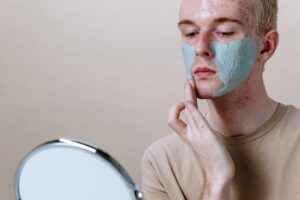
At least 85% of people between ages 12 and 24 experience acne at some point during adolescence and young adulthood. This isn’t a minor blemish or occasional breakout—acne is the most common skin condition affecting teenagers and young adults in the United States. Yet despite its overwhelming prevalence, the vast majority of those affected never consult a dermatologist. According to the most current data, only 10% of people with acne ever see a dermatologist, meaning roughly 9 out of 10 teenagers dealing with breakouts are managing the condition entirely on their own using over-the-counter products, home remedies, or no treatment at all. This gap between the prevalence of acne and the rate of professional care creates a significant public health blind spot—millions of young people are suffering through a treatable skin condition without expert guidance.
The disconnect between how common acne is and how rarely it receives professional treatment reveals important truths about access, cost, stigma, and awareness. While acne is universally acknowledged as a normal part of adolescence, the reality is far more complex. Some young people experience mild, manageable breakouts that respond well to basic skincare. Others develop severe cystic acne that leaves permanent scarring, causes significant emotional distress, and damages self-esteem during critical developmental years. This article examines why so few teenagers and young adults seek dermatological care, who is most affected, the consequences of going untreated, and what options exist beyond the dermatologist’s office.
Table of Contents
- Why Don’t Young People With Acne See Dermatologists?
- Gender, Age, and Who Is Most Affected by Adolescent Acne
- The Growing Burden of Acne and the Treatment Gap
- What Young People Actually Do Instead: Over-the-Counter and DIY Acne Management
- When Home Treatment Fails: The Risk of Scarring and Long-Term Damage
- The Income and Access Crisis in Acne Care
- The Future of Acne Care and Shifting Treatment Patterns
- Conclusion
- Frequently Asked Questions
Why Don’t Young People With Acne See Dermatologists?
The statistics reveal a striking reality: while 85% of young people between 12 and 24 experience acne, dermatologists treat only about 34.6% of acne cases. The remaining 51.2% of adolescents with acne are treated by non-dermatology specialists—primary care doctors, nurse practitioners, or other healthcare providers who may lack specialized training in managing complex skin conditions. This fragmented care structure exists for multiple reasons, beginning with access and cost barriers that disproportionately affect lower-income families. The financial hurdle is substantial.
Dermatology visits are expensive, often requiring an out-of-pocket payment even with insurance, and many young people rely on their parents or guardians to seek care—a decision that introduces parental attitudes and financial constraints into the equation. In Canada, research shows that only 17% of people earning under CAD $20,000 annually visited a dermatologist for acne, compared to 24% of those earning over CAD $80,000. This 41% disparity by income highlights how economics, not medical need, dictates who receives professional treatment. Additionally, waiting times for dermatology appointments can stretch weeks or months, and many dermatologists are concentrated in urban areas, making access practically impossible for rural teenagers. For many young people, reaching for drugstore acne products feels like the only available option.

Gender, Age, and Who Is Most Affected by Adolescent Acne
Girls and women between ages 12 and 24 are disproportionately affected by acne compared to boys. Recent global epidemiology data from 2021 shows a 25% higher prevalence rate in females than males—meaning if 80% of boys in a high school experience some acne, you might expect roughly 100% of girls to encounter it. This gender disparity isn’t just about increased breakouts; it’s also about the psychological impact. Girls report higher rates of depression, anxiety, and social withdrawal related to acne compared to boys, yet they’re still more likely than males to use over-the-counter products and avoid professional help due to cost concerns.
The age distribution reveals an important pattern: while acne can strike at any age from puberty onward, the heaviest burden falls on early adolescents. In 2021, ages 10-14 accounted for 60% of all new acne cases globally—57.5 million out of 95.8 million incident cases that year. This means that the earliest onset of acne often coincides with the lowest rates of professional care-seeking. A 13-year-old experiencing their first severe breakouts is unlikely to have a dermatologist appointment, partly because parents may view acne as a normal part of growing up and partly because access barriers loom largest for younger teenagers. However, early dermatological intervention during peak acne years could prevent scarring and long-term skin damage that becomes irreversible if left untreated through the critical scarring window.
The Growing Burden of Acne and the Treatment Gap
Acne is not a static problem. Global acne cases have increased 39.2% over the past three decades—from 132.4 million cases in 1990 to 184.3 million cases in 2021. This dramatic rise reflects multiple factors including increased population awareness (more people recognizing mild acne as a treatable condition), environmental changes, dietary shifts, and possibly increased stress among adolescents. Yet as acne prevalence has grown, the proportion of people receiving professional treatment has not kept pace. Instead, more young people are managing acne independently, spending over $6 billion annually on over-the-counter treatments in the United States alone.
The consequence of this treatment gap is significant but often invisible. Most severe acne—the kind that leaves permanent scarring—goes untreated during the window when prescription medications could prevent lasting damage. A teenager with moderate-to-severe inflammatory acne who never sees a dermatologist may develop permanent ice-pick scars, boxcar scars, or rolling scars by age 20. These physical reminders persist into adulthood, affecting appearance and psychological well-being for decades. Meanwhile, that same teenager could have been prescribed isotretinoin (Accutane), oral antibiotics, hormonal therapy, or other evidence-based treatments that would have halted the scarring process. The irony is profound: the age group with the highest acne burden has the lowest professional treatment rate.

What Young People Actually Do Instead: Over-the-Counter and DIY Acne Management
In the absence of professional guidance, most teenagers and young adults turn to over-the-counter acne products. Benzoyl peroxide cleansers, salicylic acid treatments, and topical retinoids are the backbone of self-directed acne management. These products are effective for mild-to-moderate acne and have the advantage of being accessible, affordable, and available without a prescription. A 16-year-old can walk into a pharmacy and purchase a bottle of 2.5% benzoyl peroxide for under $10, making it an attractive first-line option compared to the $150+ cost of a dermatology visit.
The problem arises when over-the-counter products prove insufficient, yet the young person continues using the same regimen rather than escalating to professional care. This happens for multiple reasons: they may not realize that more effective treatments exist, they may feel embarrassed about seeking help for acne, or they may lack the means to access dermatology. Additionally, using the wrong OTC products can actually worsen acne. For example, heavy moisturizers marketed as “non-comedogenic” sometimes cause breakouts in acne-prone skin, and using multiple acne products simultaneously can strip the skin barrier, triggering rebound oil production and more severe breakouts. Without professional guidance to evaluate what’s working and what isn’t, many teenagers waste money on ineffective products and endure unnecessary skin suffering for months or years.
When Home Treatment Fails: The Risk of Scarring and Long-Term Damage
The most critical limitation of avoiding professional acne care is the risk of permanent scarring. Severe inflammatory acne—particularly cystic acne—causes deep tissue damage that doesn’t heal without intervention. Once scarring occurs, no topical product can reverse it. Laser treatments, microneedling, or surgical scar revision can improve appearance years later, but these are expensive procedures that most young people cannot access. A 14-year-old with untreated severe acne faces a choice they don’t even realize they’re making: either seek professional help now and prevent scars, or continue self-treating and accept permanent skin damage.
Another serious risk is infection and skin complications. Without professional evaluation, some teenagers mistake bacterial infections or folliculitis for regular acne and continue applying OTC products rather than seeking antibiotics or medical intervention. In rare cases, untreated severe acne can lead to abscess formation or systemic infection. Additionally, certain skin conditions—like rosacea, fungal infections, or medication-induced acne—can masquerade as regular acne, and self-treatment wastes precious months during which the actual underlying condition worsens. A warning sign that DIY treatment has failed is when acne persists or worsens after 8-12 weeks of consistent use of quality OTC products, or when new painful cystic lesions develop regularly. At that point, professional evaluation becomes necessary to rule out treatment-resistant acne, hormonal factors, or misdiagnosis.

The Income and Access Crisis in Acne Care
The income disparity in dermatological care extends beyond Canada. In the United States, acne treatment patterns reflect broader healthcare inequities. Teenagers in wealthy families with good insurance coverage and proximity to dermatologists receive professional care at much higher rates than low-income teenagers in underserved areas. Rural youth often lack access to any dermatologist within a reasonable distance, while urban low-income teenagers may live near dermatology clinics they cannot afford to visit. This creates a situation where acne severity—not medical necessity—determines who receives treatment.
Some young people with mild acne see dermatologists regularly, while others with severe, scarring acne never see a specialist. Recent healthcare innovations like telemedicine dermatology have begun closing this gap. Virtual dermatology consultations cost significantly less than in-person visits and eliminate geographic barriers, making professional acne assessment available to teenagers in rural or underserved areas. However, the digital divide still exists—not all teenagers have reliable internet access or smartphones, and some dermatologists require in-person follow-up visits for certain treatments. The most underserved population remains low-income teenagers without insurance, who continue relying entirely on drugstore products or going untreated.
The Future of Acne Care and Shifting Treatment Patterns
The next decade will likely see significant changes in how adolescent acne is managed. Telemedicine expansion, increased awareness of acne’s psychological impact, and growing advocacy for equitable dermatological access are shifting the landscape. School-based health clinics in some districts now offer basic acne assessment and treatment, providing access to young people who might otherwise go untreated. Additionally, pharmaceutical companies are developing new acne treatments with different mechanisms of action, offering hope for treatment-resistant cases that currently have limited options.
However, the fundamental barrier—cost and access—will persist until healthcare systems prioritize dermatological care as part of routine adolescent health. The fact that acne remains largely untreated despite affecting 85% of young people suggests that societal attitudes must shift. Acne is not vanity; it’s a medical condition with documented psychological consequences and the potential for permanent physical scarring. As awareness grows among parents, educators, and policymakers, the treatment gap may finally begin to close for the millions of teenagers currently managing acne entirely alone.
Conclusion
The reality is stark: at least 85% of people between 12 and 24 experience acne, yet only a small fraction ever see a dermatologist. Most young people manage acne independently using over-the-counter products, often with limited success and without professional guidance on what treatments are most effective for their specific skin condition.
Barriers including cost, access, geographic limitations, and social stigma create a treatment gap that leaves millions of teenagers vulnerable to permanent scarring and untreated severe acne. If you’re a young person struggling with acne, the first step is honest assessment: are your current products working after 8-12 weeks of consistent use, or is acne worsening and leaving scars? If over-the-counter treatments aren’t delivering results, or if you’re experiencing painful cystic acne, professional evaluation is necessary—whether that’s through a dermatologist, telemedicine consultation, or a primary care provider who can assess whether more powerful treatments are warranted. The cost of delaying professional care often exceeds the cost of the visit itself, measured in permanent skin damage and years of self-consciousness about scars that could have been prevented.
Frequently Asked Questions
Is acne just a normal part of being a teenager, or does it always need treatment?
Mild acne is common in adolescence and often resolves with basic skincare. However, moderate-to-severe acne, especially inflammatory or cystic types, benefits from professional assessment. The key distinction is whether acne is improving with over-the-counter products after 8-12 weeks, or whether it’s persisting, worsening, or causing scarring. If it’s the latter, professional treatment becomes medically necessary.
Why is the 10% dermatologist visit rate so low?
Cost, access, and time barriers are the primary factors. Dermatology visits are expensive even with insurance, waiting times can be months, and dermatologists are concentrated in urban areas. Many teenagers don’t have the autonomy to schedule appointments, and many parents view acne as something that doesn’t require a doctor. Additionally, awareness that dermatologists can offer substantially better treatments than drugstore products is surprisingly low.
Can permanent acne scars be reversed once they form?
No topical product can reverse established acne scars. However, dermatological and cosmetic procedures like laser resurfacing, microneedling, and subcision can improve the appearance of scars. Prevention through early professional treatment during the active acne years is far more effective and affordable than attempting to repair scars years later.
What’s the difference between seeing a dermatologist versus a primary care doctor for acne?
Primary care doctors can prescribe oral antibiotics and basic topical treatments, which help many people. However, dermatologists have specialized training in complex cases, can prescribe stronger medications (like isotretinoin), perform in-office treatments, and can diagnose conditions that mimic acne. For treatment-resistant or severe acne, dermatological expertise makes a significant difference.
Is telemedicine dermatology as effective as in-person visits?
Telemedicine dermatology works well for initial assessment, photo-based evaluation, and prescription management, making it accessible to people without geographic or financial access to in-person care. However, some treatments require in-person follow-up, and conditions that need physical examination or procedures (like extractions or injections) may eventually require an office visit.
At what point should I see a dermatologist instead of continuing drugstore products?
If over-the-counter acne products haven’t produced clear improvement after 8-12 weeks of consistent use, if acne is leaving scars, if you’re experiencing painful cystic lesions, or if acne is significantly affecting your emotional well-being, professional evaluation is warranted. You don’t need to suffer through years of self-treatment when better options exist.