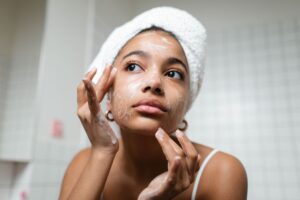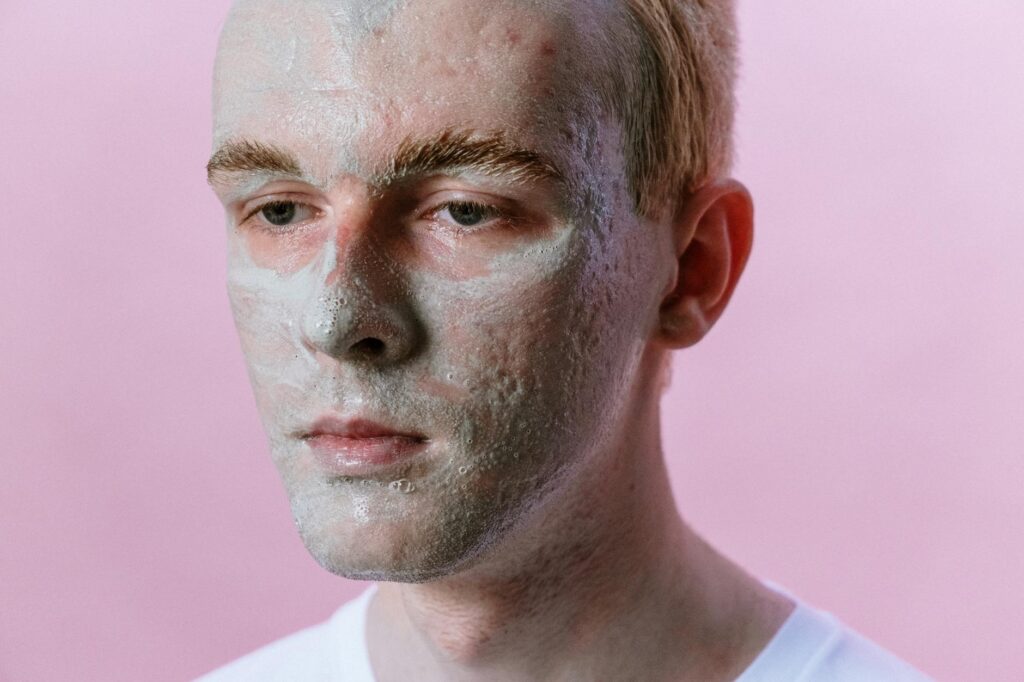
When a patient has tried five different acne treatments without improvement, the instinct is usually to wonder if they’re simply not trying hard enough or using the products correctly. The reality is more complex: approximately 20% of acne sufferers have severe acne that doesn’t respond well to standard treatments, and research shows this treatment resistance is rooted in biology, not commitment. The answer to why some acne patients never respond involves a combination of genetic predisposition, antibiotic-resistant bacteria, disrupted skin microbiomes, and hormonal factors that conventional treatments simply cannot overcome.
A 27-year-old patient might have tried benzoyl peroxide, three different oral antibiotics, topical retinoids, and hormonal therapy—each one backed by clinical evidence—yet still break out with painful cystic acne across their cheeks and jawline month after month. This article explores the science behind treatment-resistant acne, the specific biological mechanisms that derail even aggressive treatment protocols, and why your dermatologist might eventually recommend stronger options like isotretinoin. Understanding these barriers isn’t just academic; it can help you and your doctor move past ineffective treatments faster and identify which options actually have a chance of working for your particular case.
Table of Contents
- Why Genetics Determine Your Acne Treatment Response
- Antibiotic Resistance and the Death of Bacterial Treatment
- Microbiome Disruption and Inflammatory Cascades
- Treatment Adherence Sabotaged by Side Effects
- Hormonal Resistance and Cyclical Acne
- Isotretinoin Resistance and Cumulative Dosing
- When to Move Beyond Standard Treatment Paradigms
- Conclusion
Why Genetics Determine Your Acne Treatment Response
Genetics account for an estimated 81% of acne susceptibility, according to a UK twin study, but genes don’t just determine whether you’ll get acne—they also significantly influence how your body will respond to treatment. Specific genetic variants affect how your skin produces sebum, how your immune system reacts to bacteria, how rapidly your skin cells turnover, and even how your body metabolizes acne medications. Researchers have identified seven key susceptibility genes: GATA2, C4BPA, CCR5, DEFA3, ELANE, MMP9, and RPS4Y1. A patient carrying certain variants in the DEFA3 gene, for example, may produce less of a natural antimicrobial peptide that helps control bacterial growth, making antibiotics less effective because their body can’t mount the same innate immune response.
The unfortunate part is that your genetic profile isn’t something a standard blood test reveals. Many dermatologists still prescribe treatments based on acne severity and type without considering the underlying genetic differences that might predict failure. Closed comedonal acne—the type that appears as small, flesh-colored bumps—has an adjusted odds ratio of 2.7 for isotretinoin resistance, meaning patients with predominantly closed comedones are nearly three times more likely to fail standard treatment and require the strongest medication available. If you’re dealing with stubborn acne that doesn’t improve after two proper 12-week treatment cycles, a conversation about genetic factors or dermatologic consultation for genetic testing might be more productive than trying yet another topical retinoid.
Antibiotic Resistance and the Death of Bacterial Treatment
One of the most significant barriers to acne treatment response is antibiotic resistance. More than 50% of Cutibacterium acnes strains—the bacteria primarily responsible for acne—are now resistant to topical macrolides like erythromycin and clindamycin, medications that were once reliable first-line treatments. Tetracyclines like doxycycline face similar resistance patterns due to decades of widespread use in acne treatment. When you take an oral antibiotic or apply a topical antibiotic for acne, you’re not just treating the acne on your face; you’re creating selective pressure throughout your microbiome, allowing resistant strains to proliferate while sensitive ones die off. The problem becomes generational.
A 35-year-old who took tetracyclines for acne as a teenager and then again in their twenties now carries antibiotic-resistant bacteria in their skin. When they develop a new acne flare a decade later, their existing bacterial flora is primed to resist that same medication, or related ones. The overuse of antibiotics for acne—often prescribed in combination (benzoyl peroxide plus clindamycin, for instance) or over prolonged periods—has essentially trained entire bacterial populations to survive these drugs. Your dermatologist might not even realize they’re prescribing an antibiotic to which your particular bacterial strains are already resistant, because resistance testing isn’t routine in dermatology the way it is in serious infections. If you’ve used multiple antibiotic-based treatments in the past, your acne bacteria have likely developed resistance, which means continuing down that path will only frustrate you further.
Microbiome Disruption and Inflammatory Cascades
Beyond the bacteria you’re trying to kill, every acne treatment disrupts your skin and gut microbiome—the trillions of beneficial microorganisms that help regulate inflammation and immune function. Excessive antibiotics, especially those taken orally over months, wipe out protective bacterial strains on your skin and in your digestive tract. This dysbiosis—an imbalance in microbial communities—exacerbates inflammation and creates a biological environment where pathogenic microbes can overgrow. Your skin becomes more inflamed, more vulnerable to colonization by Cutibacterium acnes, and paradoxically, harder to treat.
The gut-skin axis adds another layer of complexity. When your gut microbiome is disrupted by oral antibiotics or other treatments, your intestinal barrier can become compromised, allowing bacterial metabolites and immune activators to enter your bloodstream and trigger systemic inflammation that manifests as worsening acne. A patient treated with doxycycline for three months might notice their acne actually worsened weeks into treatment, even though standard acne antibiotics take 6-12 weeks to show benefit. This can reflect microbiome disruption and increased inflammation, not treatment failure in the traditional sense. The inflammation isn’t just bacterial anymore; it’s your own immune system responding to dysbiosis.

Treatment Adherence Sabotaged by Side Effects
Nearly all topical acne medications—benzoyl peroxide, tretinoin, adapalene, and others—cause irritation, redness, peeling, and soreness as initial side effects. Many patients assume these effects mean the treatment is working, but in reality, the irritation often drives non-adherence. A patient applying 5% benzoyl peroxide twice daily might develop significant dryness and barrier damage, reducing application frequency to once daily or skipping it on weekends. Tretinoin, despite being highly effective, causes the infamous “retinization period”—weeks of flaking, sensitivity, and sometimes worsening acne before improvement—that convinces many patients the treatment isn’t working and they should stop.
Non-adherence due to side effects is one of the most underestimated reasons for “treatment failure.” Clinical trials showing 80% improvement rates assume patients stick with the exact regimen, but real-world adherence is far lower. A dermatologist might prescribe a perfectly evidence-based treatment that would work if applied as directed, but the patient manages only sporadic application because the side effects are intolerable. This isn’t laziness; it’s rational self-protection when your skin is burning and peeling. The solution often requires lowering the starting dose, alternating application schedules (starting with every third day instead of daily), combining with a strong moisturizer, or accepting that certain treatments simply aren’t compatible with your skin tolerance, even if they’re theoretically appropriate.
Hormonal Resistance and Cyclical Acne
For hormonal acne—particularly in women—the issue isn’t always that treatments don’t work, but that hormonal drivers of acne persist despite treatment. Androgens increase sebum production, and elevated cortisol from stress amplifies this effect. A woman with polycystic ovary syndrome (PCOS) might respond well to topical treatments for a few months, then relapse when her hormonal cycle resumes control of sebum production.
Oral antibiotics don’t address the hormonal root cause; they merely suppress bacterial growth temporarily. This is why dermatologists sometimes recommend hormonal therapy—spironolactone, oral contraceptives, or other hormonal medications—for women whose acne seems immune to conventional treatments. If you’re a woman with severe acne that responds transiently to antibiotics but then returns, or acne that flares predictably around your menstrual cycle, hormonal treatment may be addressing the actual cause in a way antibiotics never could. However, hormonal medications aren’t appropriate for everyone (pregnancy planning, certain medical conditions) and add another layer of treatment complexity.
Isotretinoin Resistance and Cumulative Dosing
For the most severe treatment-resistant acne, isotretinoin (Accutane) is the only medication with proven potential for long-term remission or cure. However, even isotretinoin can fail. Patients taking subtherapeutic doses—doses too low to achieve a sufficient cumulative effect—have higher relapse rates and may require repeated treatment courses. Recent 2025 research shows that cumulative dosage is directly associated with reduced relapse rates and decreased need for isotretinoin retreatment.
This means a patient prescribed 40 mg daily for two months (a total of 2,400 mg) has a higher relapse risk than one who takes 80 mg daily for four months (a total of 9,600 mg), even though both spent the same amount of time on the medication. The problem arises when patients or providers opt for lower doses to minimize side effects (isotretinoin causes significant drying, potential mood changes, and requires monthly pregnancy tests and lab monitoring). While understandable, this approach can inadvertently set the stage for relapse. If you’re prescribed isotretinoin, the cumulative dose achieved matters more than the duration of treatment, and this should be discussed explicitly with your dermatologist.
When to Move Beyond Standard Treatment Paradigms
If you’ve completed two full, properly-dosed courses of treatment with different medication classes—say, a tetracycline for 12 weeks followed by a six-month course of a topical retinoid—and still have significant acne, the treatment failure isn’t on you. Your biological barriers to treatment response are simply higher than average, and continuing to cycle through similar medications is unlikely to produce different results. This is the point at which stronger medications like isotretinoin, newer approaches (such as targeted microbiome therapies being researched), or specialty dermatologic consultation become genuinely necessary, not optional.
Research is evolving. Some dermatologists are beginning to explore microbiome-focused treatments, immune-modulating therapies, and personalized medicine approaches that move beyond the standard benzoyl peroxide-antibiotic-retinoid algorithm. If you’re trapped in a cycle of treatment failure, that’s valuable information: it means you’re likely dealing with genetic, microbiome, or hormonal factors that require a different approach. Your acne isn’t resistant because you’re unlucky; it’s pointing you toward the actual cause.
Conclusion
Treatment-resistant acne affects a significant portion of acne sufferers, and the reasons are grounded in biology, not willpower. Genetic predisposition, antibiotic-resistant bacteria, disrupted skin microbiomes, inadequate treatment adherence, and hormonal factors all conspire to make standard acne treatments ineffective for roughly one in five patients. The frustration of trying multiple medications without success is a sign that your particular acne requires targeted treatment based on its biological drivers—not more of the same.
The pathway forward isn’t to keep cycling through topical treatments or different antibiotics. It’s to work with a dermatologist who recognizes that treatment failure is diagnostic information: it tells you something specific about your acne’s cause and suggests which therapies have a realistic chance of working. Whether that’s isotretinoin, hormonal therapy, microbiome-targeted interventions, or a combination approach, moving toward treatments tailored to your specific barriers is far more productive than assuming you haven’t found the right standard therapy yet.