

Despite decades of dermatological advances—from isotretinoin to modern combination therapies—acne will continue affecting hundreds of millions of people worldwide because the condition is fundamentally multifactorial and resistant to single-solution approaches. Acne isn’t a disease that responds predictably to one treatment; it involves four simultaneous biological processes happening in your skin that must all be addressed simultaneously, and even when they are, hormonal cycles, stress, genetic predisposition, and environmental factors keep resetting the clock.
A 25-year-old woman might clear her acne with a course of antibiotics only to have it return during her next menstrual cycle, or a teenager might respond beautifully to retinoids for six months before developing resistance. The global statistics underscore this reality: acne is the eighth most prevalent disease worldwide, affecting approximately 9.4% of the global population—roughly 680 million people—and the prevalence among adults has reached 20.5% globally, with some regions like Latin America hitting nearly 24%. This article explores why even the most sophisticated treatments available today leave tens of millions struggling with active acne, examining the biological barriers, patient compliance challenges, and the fundamental complexity of skin that makes complete acne eradication nearly impossible for many people.
Table of Contents
- Why Biological Complexity Makes Single Treatments Fail
- Antibiotic Resistance and the Limits of Conventional Approaches
- Demographic Patterns Show Acne’s Persistent Reach Across Populations
- The Hidden Struggle With Hormonal Fluctuations and Stress
- Why Severe Acne Requires Aggressive Treatment That Not Everyone Can Access or Tolerate
- The Chronic Relapsing Nature of Acne in Adults
- Why Future Advances Face Fundamental Biological Limits
- Conclusion
Why Biological Complexity Makes Single Treatments Fail
The reason acne persists despite advanced treatments comes down to a core biological truth: acne isn’t one problem, it’s four simultaneous problems that all need solving. Medical research identifies four essential factors that must converge for acne to develop—excessive sebum production (your skin making too much oil), hyperkeratinization of the pilosebaceous follicle (dead skin cells not shedding properly), overgrowth of Cutibacterium acnes bacteria, and inflammation in and around the follicle. This multifactorial pathophysiology means that treating only one or two factors leaves openings for the others to proliferate. For example, isotretinoin (Accutane) is often considered the gold standard because it addresses multiple factors simultaneously—it dramatically reduces sebum production and prevents follicular hyperkeratinization—yet even this powerful medication works for roughly 70-80% of patients, with some experiencing relapse years later. Other treatments target only one pathway: benzoyl peroxide kills bacteria, salicylic acid addresses hyperkeratinization, retinoids improve cell turnover, and hormonal contraceptives suppress sebum production in women.
But choosing one medication or combining two or three still leaves at least one or two pathways partially uncontrolled, allowing acne to persist in a lower-grade, chronic form. The immunological dimension adds another layer of complexity that most people don’t realize. Cutibacterium acnes bacteria don’t just colonize your follicles passively—they actively stimulate complex inflammatory responses and trigger specific immune pathways in your skin, causing your body to shift toward Th1-type inflammation (a specific immune response pattern). Modern research shows that your immune system’s response to acne bacteria is highly individual and doesn’t necessarily improve with age or exposure, meaning someone who was prone to acne as a teenager may remain prone to acne inflammation in their thirties even if bacterial colonization decreases. This explains why some people can tolerate higher bacterial counts without breakouts while others with lower counts experience severe inflammation.

Antibiotic Resistance and the Limits of Conventional Approaches
Antibiotic resistance has become a tangible clinical challenge in acne management, fundamentally limiting the long-term usefulness of one of dermatology’s oldest and most effective weapons. Patients and dermatologists alike have relied on oral antibiotics like doxycycline and minocycline for decades, but when these medications are used chronically—sometimes for months or years—the bacteria populations they target develop resistance. This isn’t theoretical: dermatologists regularly encounter patients whose acne responded beautifully to antibiotics for the first few months, only to have breakouts return as the bacteria adapted. The mechanism is straightforward—each dose of antibiotic kills susceptible bacteria, and the resistant bacteria that survive multiply to fill the ecological niche, so subsequent doses become progressively less effective. However, this resistance problem gets compounded when patients fail to use complementary treatments. Antibiotic monotherapy (antibiotics alone without additional treatments addressing other acne pathways) is significantly less effective than antibiotic combination therapy, yet many patients use antibiotics as their sole treatment because they’re convenient and less irritating than harsher alternatives like retinoids.
The limitations of conventional approaches extend beyond antibiotic resistance to the fundamental problem of recurrence and maintenance. Even patients who achieve clear skin with advanced treatments often cannot simply stop treatment and maintain that clarity. Isotretinoin is the exception—it can produce long-term remission—but for most people, acne requires ongoing management to maintain results. Dermatologists increasingly recognize that “patient compliance and reducing recurrence frequency” represents one of the most challenging aspects of acne management, suggesting that the problem isn’t always the treatments available but rather the difficulty of maintaining consistent treatment use long-term. A patient might tolerate applying a retinoid nightly for three months to clear their skin, but after experiencing dryness, irritation, or photosensitivity concerns, they reduce frequency or stop entirely, allowing the disease to return. This creates a frustrating pattern where the biological factors remain unchanged, waiting to reassert themselves the moment treatment consistency lapses.
Demographic Patterns Show Acne’s Persistent Reach Across Populations
The global epidemiology of acne reveals a troubling trend: acne isn’t concentrating in any one demographic group that might benefit from targeted prevention efforts. Instead, it’s spreading more widely than it was decades ago. Approximately 85% of Americans experience acne at some point in their lives, with nearly 50 million affected annually, and the prevalence has increased in nearly all countries since the 1990s. The highest concentration occurs in people aged 16-24 years at 28.3% prevalence, with 19.3% of those aged 25-39 still affected, meaning that even as people move through their twenties and thirties, acne doesn’t naturally resolve for most. Gender differences also reveal why acne remains pervasive: women experience acne at significantly higher rates than men (23.6% vs. 17.5%), and this gap appears to be widening in recent decades.
Women’s higher prevalence reflects both biological factors—hormonal fluctuations throughout the menstrual cycle trigger sebaceous gland activity—and potentially environmental factors that remain incompletely understood. The demographic shift is particularly significant for adult women, who represent a growing portion of acne patients despite aging out of the “typical” acne years. A teenage girl with typical adolescent acne might reasonably expect it to improve by her mid-twenties, but increasingly, women are experiencing persistent or new-onset acne in their thirties, forties, and beyond due to hormonal changes, stress, and inflammatory responses that don’t automatically resolve with maturation. This trend means that acne persists not because treatments have failed to improve but because the underlying causes—particularly hormonal instability and stress-induced inflammation—continue to affect larger portions of the adult population. Regional variations in prevalence (9.7% in Europe vs. 23.9% in Latin America) suggest that environmental, dietary, or healthcare access factors play roles that current treatments don’t fully address, meaning that global acne burden cannot be solved purely through better pharmaceuticals.
The Hidden Struggle With Hormonal Fluctuations and Stress
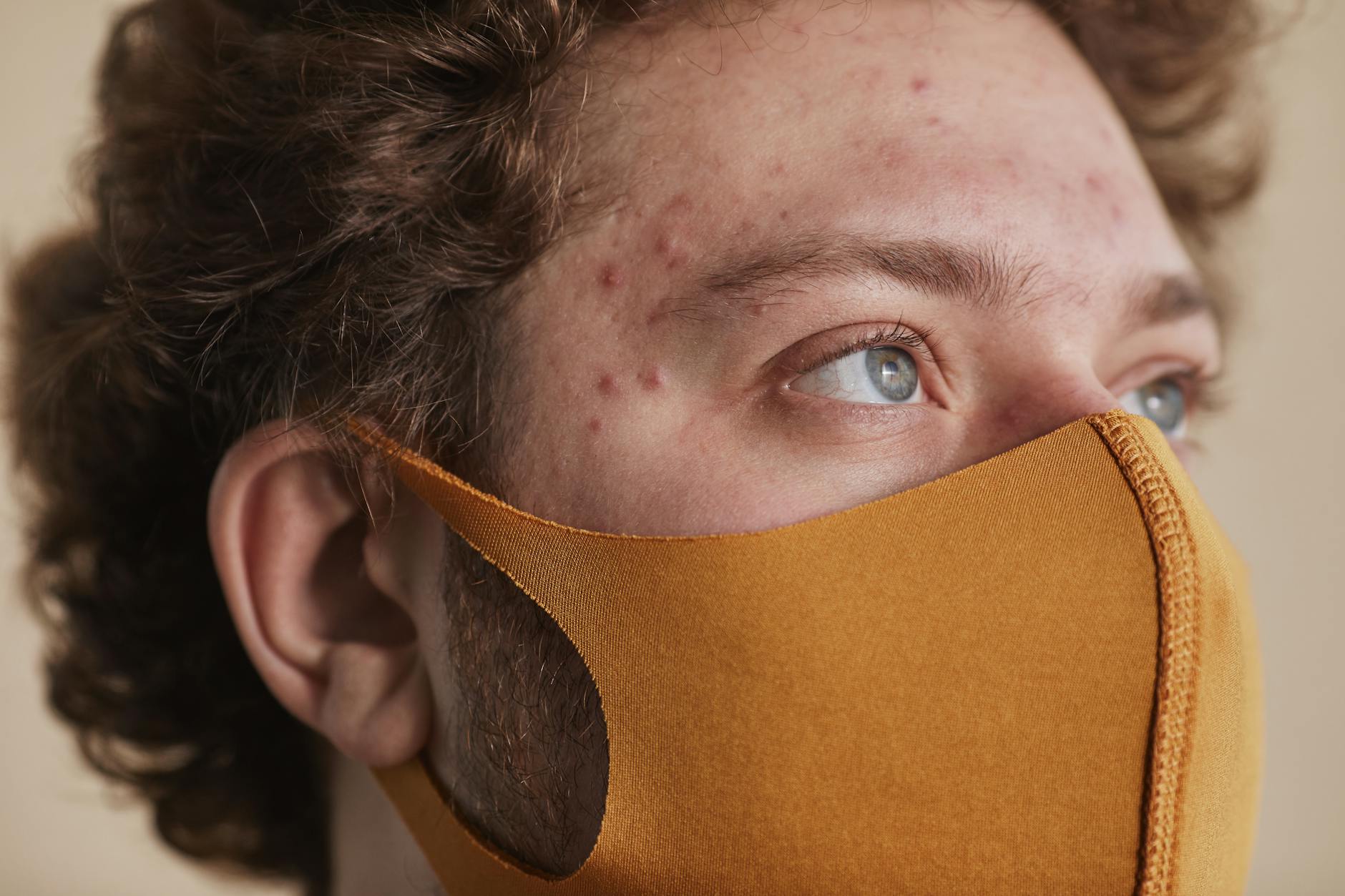
Acne’s persistence in the modern era stems largely from the incomplete recognition of hormonal and psychological factors that drive breakouts and that no topical or oral medication can fully control. Stress increases cortisol production, which triggers inflammation and sebaceous gland activity—two of the four core acne pathways—yet the standard acne toolkit contains no effective way to manage this mechanism aside from vague recommendations to “reduce stress,” which patients cannot reliably implement. A woman on hormonal contraceptives to manage acne might find that her acne improves dramatically for several years, then suddenly worsens during perimenopause or after discontinuing the medication, because the underlying hormonal drivers never disappeared; the contraceptive was only suppressing the symptom. Similarly, men cannot suppress testosterone (their primary sebum-driving hormone) without pharmaceutical intervention, and many choose not to use anti-androgenic treatments that carry side effects, leaving them managing acne with topical treatments that address only the bacterial and follicular components of their disease.
The comparison between treating acne during stable life periods versus chaotic periods reveals a hard truth: the same treatment that works perfectly during calm months becomes inadequate during high-stress periods. A college student on doxycycline might clear her skin during the regular semester, only to experience breakouts during final exams when stress hormones surge. A working professional might find that a retinoid routine maintains clear skin during regular months but fails to prevent pre-menstrual breakouts in women or stress-triggered breakouts during high-pressure work periods in anyone. This means that “clearing acne” doesn’t solve the underlying problem if a person’s lifestyle, hormonal cycle, or stress level changes. The recognition that acne involves psychological and hormonal factors that dermatological treatments cannot fully address represents one of the key reasons acne will continue affecting millions—because no pill or cream can permanently stabilize cortisol levels, menstrual cycles, or life circumstances.
Why Severe Acne Requires Aggressive Treatment That Not Everyone Can Access or Tolerate
Approximately 20% of people who develop acne experience a severe form that requires aggressive treatment beyond standard topical or moderate-dose systemic medications. Severe acne carries significant risks—nodular and cystic acne can produce permanent physical scarring—meaning that dermatologists often recommend isotretinoin, the only medication that can produce long-term remission and prevent permanent disfigurement. However, isotretinoin requires extremely close monitoring because it’s teratogenic (causes severe birth defects), necessitating pregnancy prevention in women and regular blood work to monitor liver function and lipid levels. The access barriers are substantial: isotretinoin is expensive, requires enrollment in a risk management program, demands monthly office visits and lab work, and carries potential side effects including severe dryness, photosensitivity, and (rarely) psychiatric effects.
Many patients and dermatologists avoid isotretinoin unless acne is objectively severe because the burden of monitoring and risk outweighs the benefit for moderate cases, meaning that severe acne often persists longer than it medically needs to, simply because the treatment option that could resolve it carries administrative and personal costs that patients cannot justify. The warning here is important: aggressive treatment exists for a reason. Patients with moderate-to-severe acne who delay seeking isotretinoin or who attempt to manage severe acne with topical treatments alone often end up with permanent scarring that isotretinoin could have prevented. However, the reality is that many patients—particularly those without robust healthcare access, insurance coverage, or dermatological resources—never reach a dermatologist who would even recommend this option, meaning their severe acne persists untreated and leads to preventable scarring. This represents a case where advances in treatment (isotretinoin has existed since the 1980s) haven’t translated into reduced global acne burden because access and patient tolerance remain obstacles even now, in 2026, despite the treatment being proven and available.

The Chronic Relapsing Nature of Acne in Adults
Adult acne, increasingly common in women particularly, demonstrates acne’s fundamental nature as a chronic relapsing condition rather than an acute disease that can be “cured.” An adult woman might manage to clear her acne by combining a retinoid, a gentle cleanser, and hormonal contraceptives, maintaining clear skin for two or three years—and then experience a sudden return of breakouts triggered by a change in contraception, pregnancy planning, menopause, or even a change in skincare routine that disrupts her skin barrier. The pattern of improvement followed by relapse is so consistent that dermatologists now discuss acne management in terms of maintenance therapy rather than cure, acknowledging that many people will require ongoing treatment indefinitely to maintain clear skin. This contrasts sharply with acne in adolescents, which often naturally improves by the early twenties, though the mechanism underlying this improvement remains incompletely understood.
The specific example of adult women is instructive: a woman who never experienced significant acne as a teenager might develop acne in her twenties or thirties due to hormonal changes, stress, or shifts in skin physiology. Even if she successfully treats this adult-onset acne, the tendency toward breakouts doesn’t disappear—it becomes a permanent feature of her skin that requires ongoing management. This reality means that even though dermatological treatments have advanced substantially, the condition’s relapsing nature ensures that millions will always be in an active treatment phase rather than “cured,” contributing to the persistent global acne burden.
Why Future Advances Face Fundamental Biological Limits
Future acne treatments will likely become more sophisticated, but they will still face the fundamental obstacle that acne depends on factors largely outside pharmaceutical control. Emerging research into immunological aspects of acne, new antibacterial agents, and enhanced anti-inflammatory strategies may improve outcomes for some patients, but they cannot address the hormonal drivers of sebum production (short of blocking entire endocrine systems), prevent stress-induced inflammation (without systemic effects), or account for individual genetic variations in skin barrier function, immune response, and bacterial colonization. The scientific frontier has moved toward understanding acne as a complex, partially host-controlled inflammatory disease rather than a simple bacterial infection, but this deeper understanding hasn’t translated into dramatically improved treatment success rates for the majority of acne patients.
The reality is that some acne appears to be an inevitable consequence of puberty and hormonal development—affecting roughly 28% of 16-24-year-olds—and no amount of treatment advancement can prevent that biological stage. Similarly, the stress-acne connection, the hormonal-acne connection, and the genetic predisposition to acne appear to be woven into human biology in ways that treatments can manage but not eliminate. This suggests that even in future decades, acne will continue affecting millions not because treatments are inadequate but because the condition is fundamentally resistant to elimination through pharmaceutical means alone.
Conclusion
Acne will continue affecting hundreds of millions of people despite treatment advances because the condition is multifactorial, partially driven by factors outside dermatological control, and resistant to the single-cause, single-solution approach that works for many other diseases. Even the most sophisticated treatments address only subsets of the four biological pathways that must all be controlled, and they offer no protection against hormonal fluctuations, stress-induced inflammation, or genetic predisposition that remain constant across a person’s lifetime.
The global prevalence of acne—9.4% of the world’s population, concentrated in up to 28% of teenagers and young adults—demonstrates that this is not a failure of modern medicine but rather a reflection of acne’s deeply rooted biological nature. The path forward involves realistic expectation-setting: acne in many people requires ongoing management rather than cure, treatment selection should address multiple pathways simultaneously rather than hoping single therapies will suffice, and access to dermatological care—including potentially aggressive treatments like isotretinoin for appropriate candidates—remains essential to preventing permanent scarring. For anyone struggling with persistent acne, working with a dermatologist to identify which of the four pathways dominates in your particular case, and combining treatments that address multiple mechanisms simultaneously, offers the best chance of achieving and maintaining clear skin, even if complete resolution cannot be guaranteed.