Poly-L-lactic acid (PLLA) and hyaluronic acid (HA) are fundamentally different treatments for scars because they work through opposite mechanisms. PLLA is a biostimulant that stimulates your body’s own collagen production to gradually rebuild depressed scar tissue from within, while hyaluronic acid is a temporary filler that sits on top of or within the skin to immediately plump up scar indentations.
For example, if you have an atrophic acne scar—a sunken indentation on your cheek—PLLA would trigger collagen remodeling over months to raise the scar tissue naturally, whereas HA would provide instant cosmetic improvement for about six months before being metabolized. The choice between them depends entirely on your timeline, scar type, and how long you want results to last. This article explores why these two popular scar treatments produce such different outcomes, how their mechanisms influence which scars they work best on, and what you should realistically expect from each option.
Table of Contents
- How Do Poly-L-Lactic Acid and Hyaluronic Acid Target Scars Differently?
- Duration and Longevity: Why PLLA Lasts Longer Than Hyaluronic Acid
- Which Types of Scars Does Each Treatment Handle Best?
- Cost, Commitment, and Practical Tradeoffs Between PLLA and HA
- Potential Complications and Important Limitations of Each
- Combination Approaches and Enhanced Results
- Future Outlook and Emerging Considerations
- Conclusion
- Frequently Asked Questions
How Do Poly-L-Lactic Acid and Hyaluronic Acid Target Scars Differently?
Poly-L-lactic acid works by triggering a controlled inflammatory response that activates fibroblasts—the cells responsible for producing collagen. When PLLA is injected into depressed scars, it doesn’t fill the indent directly. Instead, your body recognizes the PLLA as a foreign material and gradually breaks it down over 12-24 months while simultaneously ramping up collagen production in the surrounding tissue. This collagen buildup is what actually elevates the scar over time, meaning the improvement continues long after the injection itself is metabolized. Patients typically need multiple sessions spaced weeks apart, and the most dramatic results appear 2-3 months after the final treatment once enough new collagen has accumulated.
Hyaluronic acid, conversely, fills space immediately. It’s a hydrophilic molecule that absorbs water, creating volume that pushes depressed scars upward from the inside. There’s no collagen induction—the volume is temporary. HA gets absorbed and broken down by hyaluronidase enzymes in your skin within 6-12 months, at which point the scar indentation typically returns to its previous depth unless you repeat treatments. This makes HA a short-term solution but one where results are visible within days or even hours. Someone might choose HA if they want to look better for a specific event without waiting months for results.

Duration and Longevity: Why PLLA Lasts Longer Than Hyaluronic Acid
The longevity difference is dramatic and accounts for much of the cost differential. PLLA results can persist for 18-24 months or even longer because the collagen it stimulates becomes part of your tissue structure—it’s not being actively broken down the way HA is. However, this comes with a caveat: if you’ve relied on PLLA collagen induction, your body still ages normally afterward. Once the PLLA benefits plateau, natural collagen loss with aging means scars can gradually deepen again over several years, requiring maintenance treatments.
Hyaluronic acid is metabolized much faster, which is both an advantage and a limitation. The advantage is you’re not committed to a long-term effect—if your skin reacts poorly or you don’t like the aesthetic, the filler will naturally disappear within months. The limitation is that HA is expensive to maintain as a long-term scar treatment. Someone using HA for an acne scar would likely need injections every 9-12 months to keep seeing results, whereas PLLA might require touch-ups only every 18-24 months or longer. Over five years, HA becomes significantly more costly and requires more frequent appointments.
Which Types of Scars Does Each Treatment Handle Best?
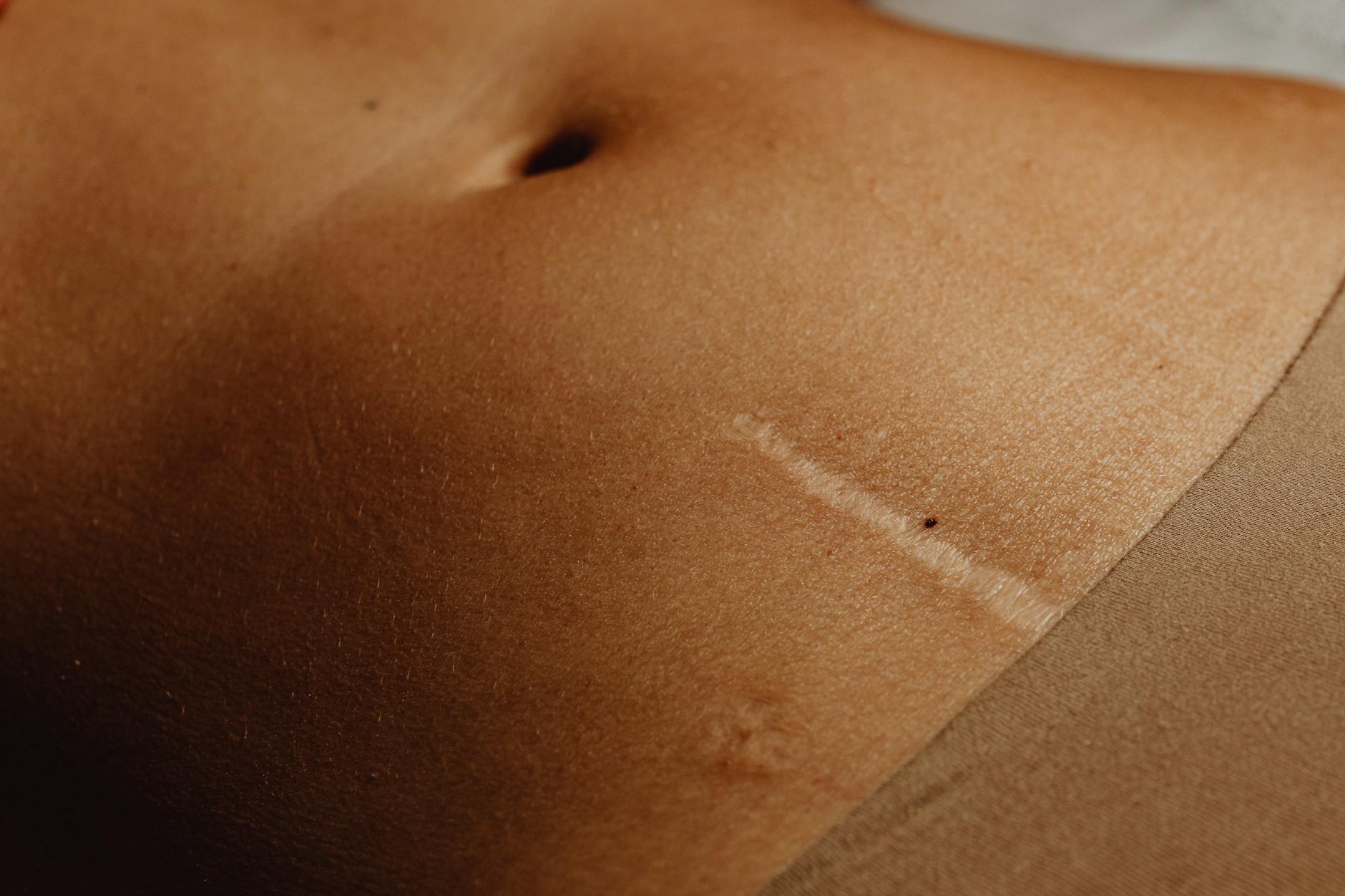
PLLA works most effectively on atrophic (depressed) scars—the sunken scars that are common after severe acne or injury. Because PLLA stimulates collagen remodeling, it’s ideal for scars where the underlying tissue has lost volume and structure. Examples include ice-pick scars (narrow and deep), rolling scars (broad depressions), and boxcar scars (defined, rectangular indents). The treatment can also be used on certain textural irregularities, though it’s less predictable on these. One limitation: PLLA doesn’t work well on hypertrophic or keloid scars (raised scars) because these already have excess collagen.
Adding more collagen stimulation would make them worse. Hyaluronic acid is more versatile across scar types. It can improve depressed scars, can be used around the orbital area and lips where PLLA isn’t typically injected, and can even be combined with microneedling to improve textural scars. However, HA has its own limitations. For very deep ice-pick scars, a single HA treatment might not provide enough volume to meaningfully elevate the scar. Additionally, HA can sometimes create an over-smoothed, unnatural appearance if overfilled, whereas PLLA’s gradual collagen induction tends to look more organic long-term because it’s integrating with your tissue rather than sitting within it.
Cost, Commitment, and Practical Tradeoffs Between PLLA and HA
Hyaluronic acid injections are typically cheaper per session (often $300-800 per syringe) compared to PLLA (often $600-1200+ per syringe), but the lower upfront cost is misleading if you think long-term. Because HA wears off faster, someone treating multiple scars with HA might spend $1500-3000 per year on maintenance injections over a 5-year period. PLLA requires a higher initial investment and multiple sessions upfront (often 3-4 treatments spaced 4-6 weeks apart), but maintenance is less frequent, making it cheaper over time for someone committed to sustained scar improvement. The time commitment also differs significantly.
PLLA requires patience—you won’t see meaningful improvement for at least 6-8 weeks, and full results take 3-4 months. Hyaluronic acid shows results within days. For someone wanting quick aesthetic improvement before a wedding or event, HA is clearly the better choice. But for someone willing to wait and seeking a more durable solution with fewer repeat visits, PLLA’s structure makes more practical sense. It’s also worth noting that PLLA requires a dermatologist or skilled injector—it has a steeper learning curve than HA, so availability and provider expertise become practical considerations.
Potential Complications and Important Limitations of Each
PLLA carries a specific risk that many patients don’t anticipate: nodule formation. Because PLLA works by provoking inflammation and collagen stimulation, some people develop small granulomas or nodules at injection sites, especially if too much product is injected too quickly or if the injector goes too shallow. These are usually painless but can be palpable under the skin for months or require removal. Additionally, PLLA’s mechanism means results are somewhat unpredictable—not everyone’s body responds to the collagen stimulation equally, and some scars improve dramatically while others improve subtly. There’s no way to know in advance whether you’ll be a good responder.
Hyaluronic acid complications are generally milder but include the risk of under-correction (the filler doesn’t actually improve the scar much), overfilling (which looks puffy or unnatural), and Tyndall effect—a bluish discoloration that can occur if the HA is placed too superficially. Another important limitation: HA doesn’t address the underlying structural problem of a scar. It’s a bandage, not a cure. The moment it’s metabolized, the scar indentation is still there. Some dermatologists argue that PLLA, despite its nodule risk, is more of a true solution because it’s actually remodeling tissue rather than temporarily masking the problem.
Combination Approaches and Enhanced Results
Many dermatologists now recommend combining PLLA or HA with other scar treatments for better outcomes. Microneedling performed before or alongside PLLA injections can amplify collagen induction because the micro-injuries from needling further stimulate fibroblast activity. Similarly, radiofrequency treatments like RF microneedling create additional collagen stimulus that synergizes with PLLA.
One specific example: a patient with severe rolling acne scars might receive RF microneedling at week 1, then PLLA injections at weeks 2 and 6, resulting in 40-50% scar improvement instead of the 20-30% they might achieve with PLLA alone. Hyaluronic acid can also be combined with other treatments, particularly with chemical peels or LED light therapy to improve overall skin quality around scar tissue, though these don’t directly enhance the filler’s effect. The main reason to combine HA with other treatments is usually to address multiple skin concerns simultaneously rather than to boost the filler’s scar-correcting ability.
Future Outlook and Emerging Considerations
The landscape of scar treatment is shifting toward biostimulants like PLLA and newer collagen-stimulating agents. Products like Radiesse (calcium hydroxyapatite) are gaining traction because they combine immediate filling with a biostimulant effect, bridging the gap between PLLA’s delayed results and HA’s immediate payoff.
Meanwhile, research into next-generation PLLA formulations is focused on reducing nodule formation while maintaining collagen-stimulating potency, suggesting future versions might be safer and more predictable than current options. For now, PLLA remains the gold standard for long-term atrophic scar improvement if you’re willing to wait, while HA remains the go-to for quick results and flexible, short-term commitment. As regenerative medicine advances, combination therapies and multimodal approaches are likely to become standard rather than optional, particularly for severe scarring.
Conclusion
Poly-L-lactic acid and hyaluronic acid achieve scar improvement through fundamentally different pathways. PLLA stimulates collagen production gradually over months, making results long-lasting but delayed. Hyaluronic acid fills space immediately but wears off in 6-12 months.
Your choice should depend on your timeline, scar severity, budget over time, and how much patience you have for results to materialize. If you’re considering either treatment, a consultation with a dermatologist experienced in injection techniques is essential. They can assess your specific scar type, discuss realistic improvement percentages for your situation, and help you decide whether PLLA’s long-term collagen approach or HA’s immediate filling solution aligns better with your expectations and lifestyle.
Frequently Asked Questions
Can I use both PLLA and HA together at the same time?
Technically yes, but most dermatologists space them out. Some practitioners inject PLLA in one area and HA in another to tailor treatment to different scar types, or they may use HA as a temporary filler while waiting for PLLA’s collagen induction to take effect. Discuss this with your injector, as combining them requires careful planning.
How many PLLA sessions do I actually need?
Most protocols call for 3-4 sessions spaced 4-6 weeks apart. The number varies based on scar severity, but fewer sessions typically yield less dramatic results. Full improvement usually appears 2-3 months after the final session.
Will hyaluronic acid help if I have deep ice-pick scars?
HA can help somewhat by plumping the surrounding skin, but very deep ice-pick scars often require multiple HA syringes or combination with other treatments like TCA CROSS or subcision to see meaningful improvement. PLLA is generally more effective for severe ice-pick scarring.
Is there a risk of looking overfilled if I use HA for scars?
Yes, especially if an injector overestimates the volume needed. This is why experienced, conservative injectors are crucial. It’s better to underfill and repeat injections than to overfill and look puffy. PLLA has less risk of this because it works gradually and the results integrate with your tissue naturally.
After PLLA treatment, what happens when the collagen production stops?
The collagen PLLA stimulates becomes part of your tissue, so results don’t instantly disappear like they do with HA. However, natural collagen loss with aging means scars can gradually deepen again over several years. Touch-up treatments can maintain results, but you won’t return to the pre-treatment appearance immediately.
Can I use PLLA or HA if I’m on retinoids or other active skincare?
Most dermatologists recommend pausing strong retinoids for a few days before and after injections to minimize irritation and bruising. Continue other skincare, but check with your provider about timing, especially for treatments like vitamin C serums or niacinamide that are generally fine to use.