Ergothioneine is a naturally occurring amino acid derivative that acts as a powerful antioxidant and anti-inflammatory agent, making it particularly valuable for acne-prone skin by neutralizing the oxidative stress and inflammatory cascades that drive breakouts. When acne-prone skin encounters bacteria, environmental pollutants, or hormonal fluctuations, unstable molecules called free radicals accumulate and trigger inflammation—ergothioneine interrupts this cycle by donating electrons to stabilize these molecules, while simultaneously reducing the inflammatory response that turns minor irritation into full-blown pimples. This article covers how ergothioneine protects acne-prone skin at the cellular level, where to find it, how it compares to other antioxidants in skincare, practical ways to use it, and realistic expectations about what it can and cannot do for your acne.
Ergothioneine differs from other antioxidants because it’s one of the few naturally occurring compounds that cells actively transport into deeper skin layers rather than just sitting on the surface. This means it can reduce inflammation in the sebaceous glands where acne begins, not just address surface redness. For someone dealing with persistent inflammatory acne or post-acne redness, incorporating ergothioneine either through diet or targeted skincare products can provide meaningful support alongside proven acne treatments like benzoyl peroxide or retinoids.
Table of Contents
- How Does Ergothioneine Protect Acne-Prone Skin from Oxidative Damage?
- Anti-Inflammatory Benefits That Reduce Acne Redness and Swelling
- How Ergothioneine Supports the Skin Barrier in Acne-Prone Skin
- Incorporating Ergothioneine Into Your Acne Routine
- When Ergothioneine Isn’t Enough: Limitations for Severe Acne
- Dietary Sources of Ergothioneine Versus Supplementation
- Future Research and Emerging Applications in Acne Treatment
- Conclusion
- Frequently Asked Questions
How Does Ergothioneine Protect Acne-Prone Skin from Oxidative Damage?
acne thrives in an environment of oxidative stress—the imbalance between harmful free radicals and the body’s ability to neutralize them. When Propionibacterium acnes bacteria colonize pores, they trigger an inflammatory response that generates reactive oxygen species, essentially creating a cascade of cellular damage. Ergothioneine prevents this cascade by directly scavenging free radicals before they can damage surrounding skin cells or amplify inflammation. Unlike vitamin C, which must be stabilized carefully or it degrades, or vitamin E, which works primarily at the surface, ergothioneine remains stable across a wide pH range and penetrates into living skin layers where acne inflammation actually begins.
For example, in acne-prone individuals, the skin around an inflamed pimple shows elevated levels of oxidative markers—measurable evidence that free radicals are accumulating. Ergothioneine’s antioxidant capacity can reduce these markers without the irritation that sometimes accompanies stronger treatments. However, ergothioneine alone won’t kill the P. acnes bacteria causing the acne—it addresses the inflammatory environment that allows bacteria to thrive, which is why it works best as part of a layered approach rather than as a standalone acne treatment.

Anti-Inflammatory Benefits That Reduce Acne Redness and Swelling
Beyond antioxidant activity, ergothioneine actively suppresses the inflammatory pathways that turn minor lesions into angry, swollen pimples. It reduces the production of pro-inflammatory cytokines—chemical messengers that tell immune cells to flood the area with inflammation-fighting compounds, which is helpful initially but becomes counterproductive when overdone. By modulating this response, ergothioneine can reduce both the severity of active breakouts and the lingering redness that persists after a pimple heals. This is particularly relevant for cystic acne, where inflammation extends deep into the skin.
The limitation worth noting: ergothioneine cannot replace prescription anti-inflammatories like oral isotretinoin or oral antibiotics if your acne is severe. However, if your acne is mild to moderate—or if you have post-inflammatory erythema (the red marks left behind after a pimple heals)—ergothioneine can meaningfully reduce both the inflammatory cascade and the timeline for healing. Someone with hormonal breakouts that flare around their menstrual cycle might use ergothioneine daily to keep baseline inflammation lower, making each hormonal surge less severe. That said, if your breakouts are cystic or widespread, addressing the hormonal or bacterial driver first is more important than adding an antioxidant.
How Ergothioneine Supports the Skin Barrier in Acne-Prone Skin
Acne-prone skin often has a compromised skin barrier—the lipid-rich outer layer that prevents moisture loss and pathogen entry. This happens because acne is inflammatory by nature, and inflammation damages the tight junctions between skin cells. Additionally, many acne treatments (benzoyl peroxide, salicylic acid, retinoids) are drying and further stress the barrier. Ergothioneine protects barrier function by reducing oxidative damage to the ceramides and cholesterol that make up this protective layer, and by lowering the inflammatory signals that compromise these structures.
A healthier skin barrier means less transepidermal water loss, which in turn means skin stays hydrated and less reactive to acne treatments. For someone using tretinoin or benzoyl peroxide, this barrier support can reduce the retinization dryness or the irritation and peeling that makes adherence difficult. A practical example: if you’re starting benzoyl peroxide 5% but your skin becomes so irritated and dry you can’t tolerate it, adding an ergothioneine-rich product might allow you to stick with the treatment long enough for your skin to acclimate. The trade-off is that this requires patience—barrier repair takes weeks, not days.
Incorporating Ergothioneine Into Your Acne Routine
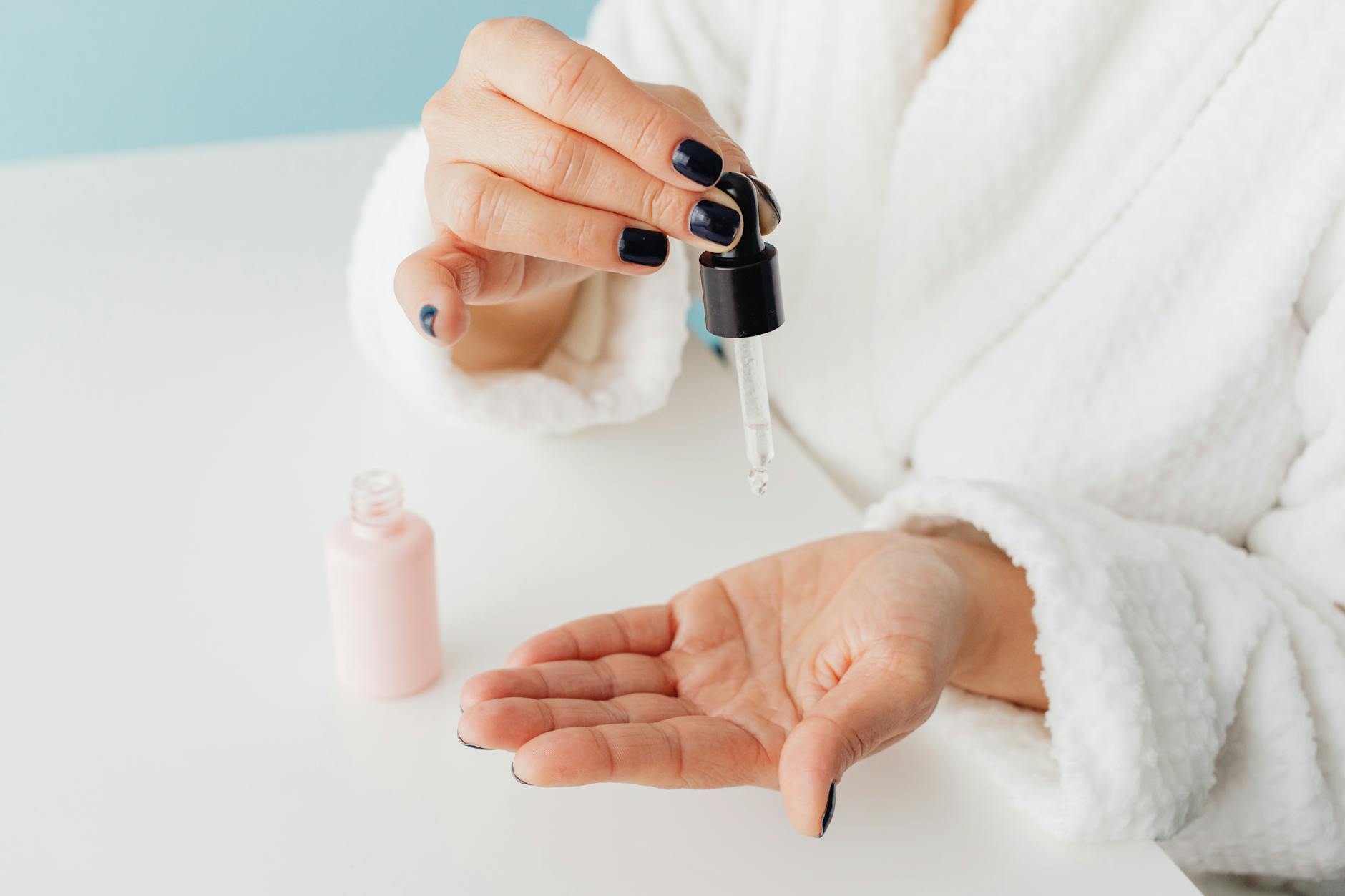
Ergothioneine comes in two main forms for skincare: dietary sources (mushrooms, certain grains, legumes, poultry) and topical skincare products. Dietary ergothioneine is absorbed systemically and reaches skin through the bloodstream, providing whole-body antioxidant support. Topical ergothioneine in serums or moisturizers delivers higher local concentrations to the site of inflammation. For acne, a combination approach often works best—eating ergothioneine-rich foods several times per week while using a topical product containing ergothioneine extract on active breakout areas or across the face if you have widespread acne-prone skin.
When layering ergothioneine with acne treatments, apply it after cleansing but before actives like retinoids or benzoyl peroxide (which can be photosensitizing on their own). A typical routine might look like: cleanser, ergothioneine serum, moisturizer, then benzoyl peroxide or tretinoin at night. Avoid combining ergothioneine products with vitamin C serums that require acidic pH, as the pH requirements conflict and neither will work optimally. If your skin is extremely sensitive or you’re using multiple actives, start with ergothioneine once daily and increase frequency only if your barrier tolerates it—more isn’t always better with antioxidants.
When Ergothioneine Isn’t Enough: Limitations for Severe Acne
Ergothioneine excels at reducing inflammation and oxidative stress, but it does not directly address the primary drivers of acne: bacterial colonization, sebum overproduction, and follicular hyperkeratinization (the clogging mechanism). If your acne is driven by a bacterial overgrowth—say, moderate inflammatory acne with multiple papules and pustules—you still need a bactericidal treatment like benzoyl peroxide or a prescription antibiotic. Ergothioneine will make that treatment work better by reducing collateral inflammatory damage, but it cannot replace it.
Additionally, hormonal acne—the deep, painful cystic lesions that flare cyclically—usually requires hormonal intervention (oral contraceptives, spironolactone, or other hormonal modulators) to address root cause. Ergothioneine can reduce the inflammation of hormonal breakouts once they occur, but it won’t prevent the hormonal trigger that initiates them. A realistic expectation: if you have mild to moderate acne, ergothioneine as part of a comprehensive routine might be sufficient. If you have severe acne, it’s a supportive tool but not a primary treatment.
Dietary Sources of Ergothioneine Versus Supplementation
The most accessible ergothioneine sources are mushrooms—particularly shiitake, oyster, and button varieties, which contain 5-15 micrograms per gram of mushroom. Cooked mushrooms yield more available ergothioneine than raw because heat breaks down cell walls. Other sources include wheat bran, oats, legumes, and poultry, though in lower concentrations than mushrooms. Someone with acne who eats two servings of mushrooms per week is likely getting meaningful ergothioneine without formal supplementation.
Oral ergothioneine supplements exist but are less studied in acne populations compared to topical application, and systemic absorption varies by formulation. For most people, dietary sources plus topical products provide sufficient coverage. The exception: if you have severe acne driven by systemic inflammation (evidenced by widespread breakouts across chest, back, and face), an oral supplement combined with topical ergothioneine and conventional acne treatment might provide more comprehensive benefit. However, always check with a dermatologist before adding supplements, as some ingredients interact with acne medications.
Future Research and Emerging Applications in Acne Treatment
Ergothioneine has been studied primarily in the context of aging skin and UV protection, but emerging research is exploring its role in acne-prone and reactive skin. Recent studies show ergothioneine reduces inflammatory markers in skin cells exposed to acne-triggering stimuli, and long-term studies are underway to determine whether regular ergothioneine use reduces acne frequency and severity.
One promising avenue is combining ergothioneine with other redox-active compounds like ferulic acid to amplify antioxidant benefits while keeping the formulation stable and non-irritating. The future of acne treatment will likely involve more targeted antioxidant and anti-inflammatory strategies rather than solely relying on bactericidal or hormone-altering drugs. Ergothioneine represents a natural, low-risk addition to this evolving landscape—not as a replacement for proven acne treatments, but as a foundational support that keeps the skin barrier healthy and inflammation under control while other treatments address acne’s root causes.
Conclusion
Ergothioneine is a powerful, naturally occurring antioxidant and anti-inflammatory that protects acne-prone skin by reducing oxidative stress and inflammatory cascades at the cellular level. It works best as part of a comprehensive acne routine—supporting barrier health, reducing redness and swelling, and enhancing the effectiveness of proven acne treatments like benzoyl peroxide and retinoids. For mild to moderate acne, especially post-inflammatory redness, incorporating ergothioneine through mushrooms, other dietary sources, or topical skincare products can provide meaningful improvement.
Start by adding one ergothioneine source to your routine—either dietary mushrooms a few times per week, or a topical ergothioneine serum applied before your other acne treatments. If your acne is severe or driven by bacteria, hormones, or stubborn follicular clogging, combine ergothioneine with conventional treatments rather than viewing it as a standalone solution. Monitor your results over 6-8 weeks; the anti-inflammatory benefits typically appear gradually as your skin’s oxidative stress decreases and your barrier strengthens. If you don’t see improvement or your acne worsens, consult a dermatologist to rule out other causes or adjust your primary acne treatment.
Frequently Asked Questions
Can ergothioneine replace benzoyl peroxide for acne?
No. Ergothioneine addresses inflammation and oxidative stress, but does not kill P. acnes bacteria. Benzoyl peroxide remains the most effective topical bactericide for acne. Ergothioneine works best alongside benzoyl peroxide, not instead of it.
Is ergothioneine safe to use with tretinoin?
Yes. Ergothioneine can reduce the irritation and dryness that often accompanies tretinoin, supporting barrier health during retinization. Apply ergothioneine before tretinoin in your nighttime routine.
How long until I see results from ergothioneine?
Anti-inflammatory effects may appear within 2-4 weeks, but full barrier support and reduction in acne frequency typically take 6-8 weeks. This is slower than a prescription acne medication but comparable to other natural antioxidants.
Can I overdose on ergothioneine from food?
No. Even high consumption of mushrooms provides ergothioneine in the microgram range, with no known toxicity at dietary levels. Supplements provide higher amounts, but toxicity thresholds have not been established in humans.
Should I take ergothioneine orally or use it topically for acne?
Both have benefits. Dietary ergothioneine provides systemic antioxidant support. Topical ergothioneine delivers high local concentrations to acne-prone areas. Combining both approaches is most effective.