

Q-switched lasers work for dark acne spots because they use ultra-precise nanosecond pulses to shatter melanin particles beneath the skin without damaging surrounding tissue. Unlike gentler laser treatments that gradually reduce pigmentation, Q-switched technology creates photoacoustic shockwaves that fragment excess melanin clusters in a single pass—a mechanism that has produced an 86.6% success rate in clinical studies combining Q-switched and long-pulsed 1,064nm Nd:YAG lasers.
For someone with persistent post-inflammatory hyperpigmentation (the stubborn dark marks left after acne heals), this approach can fade marks that foundation can’t hide and that other treatments have missed. This article explains the science behind Q-switched laser effectiveness, walks through how the treatment breaks down dark pigmentation, covers what results you can realistically expect across multiple sessions, addresses safety for different skin tones, and details the recovery timeline. We’ll also discuss when Q-switched is your best option versus when other treatments might work better.
Table of Contents
- How Q-Switched Laser Shatters Dark Pigmentation in Acne Marks
- The Mechanism Behind Melanin Destruction and Clearance
- Clinical Evidence for Dark Spot Improvement
- How Many Sessions Do You Actually Need?
- Safety Considerations for Dark Skin Tones
- Recovery Timeline and What to Expect
- Combining Q-Switched with Other Acne Scar Treatments
- Conclusion
How Q-Switched Laser Shatters Dark Pigmentation in Acne Marks
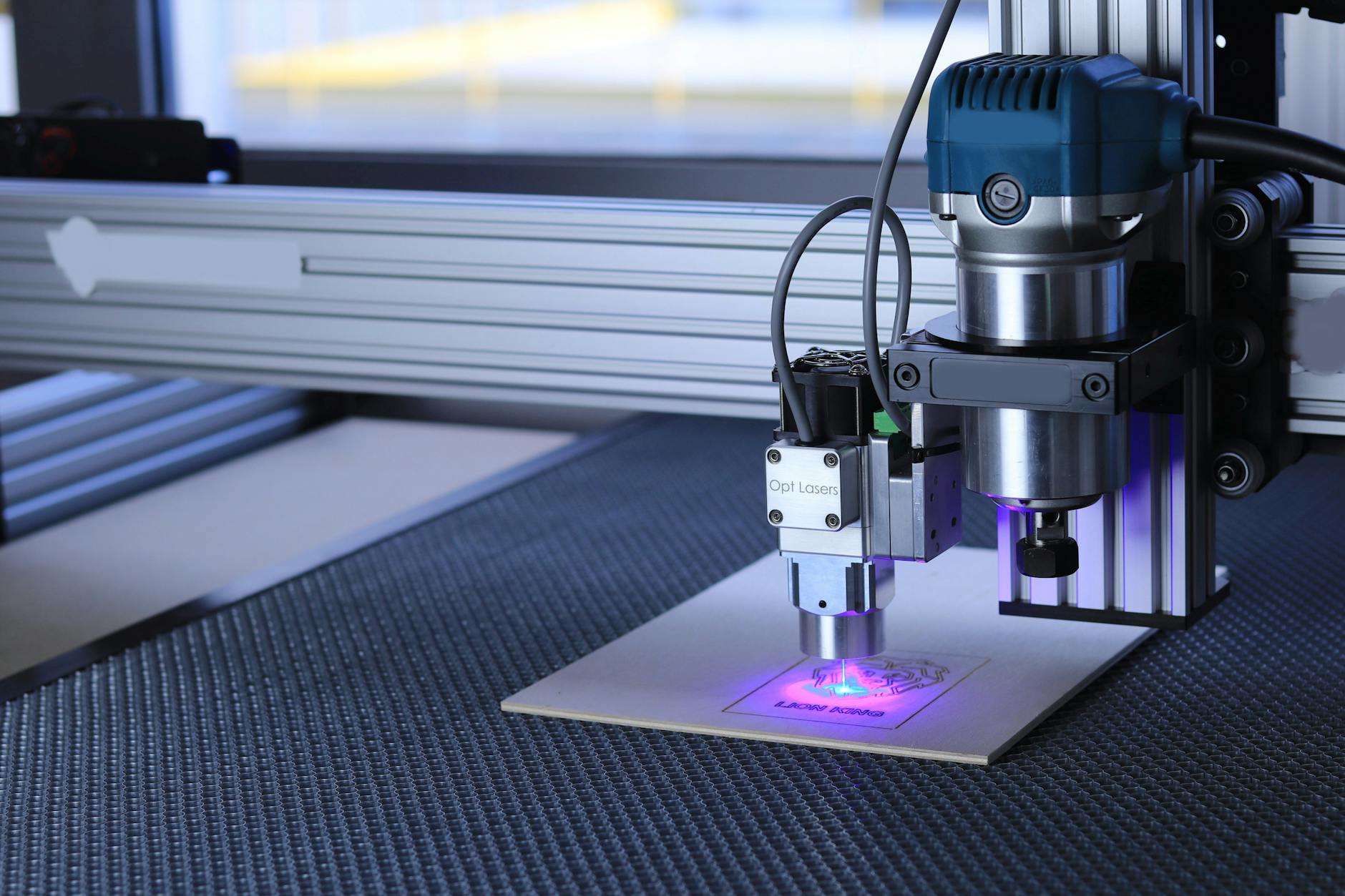
Q-switched lasers produce extremely short bursts of intense light—measured in nanoseconds (billionths of a second)—that hit melanin clusters with enough force to create shockwaves. These photoacoustic waves fracture the melanin particles into tiny fragments that the body can’t ignore. Over the following days and weeks, your immune system clears away the broken pigment particles through normal lymphatic drainage, gradually lightening the dark spots from the inside out. The key advantage is precision. The nanosecond pulse is so fast that it concentrates energy into a tiny zone of melanin without overheating the surrounding skin, collagen, or dermis.
Traditional continuous-wave lasers, by contrast, generate heat across a wider area—which is why they can cause unwanted scarring or burns. A study using high-energy fractional nanosecond Q-switched 1064 nm laser achieved improvement or very improved results in 75% of patients with no hyperpigmentation, scarring, or side effects reported, demonstrating that this precision translates to real clinical safety. One important limitation: the specific wavelength matters. A 1064 nm wavelength penetrates deeper into the skin to reach melanocytes in the dermis, making it better for embedded pigmentation. A 532 nm wavelength is more strongly absorbed by melanin at the surface but doesn’t reach deeper spots—useful for superficial marks but less effective for scars that have darkened the entire depth of the wound.
The Mechanism Behind Melanin Destruction and Clearance
The photomechanical effect is what distinguishes Q-switched lasers from other pigment-busting technologies. When the laser pulse hits a melanin granule, it doesn’t gradually heat and dissolve it—instead, the rapid energy release creates a shockwave that mechanically shatters the particle into fragments about 1/10th the size. Your body’s natural immune response recognizes these fragments as foreign material and flushes them away through the lymphatic system over 2–6 weeks, gradually lightening the spot. This immune-based clearing mechanism is why results improve over time. You won’t see the full effect immediately—the spot might look slightly darker or more mottled in the first week as pigment fragments begin clearing.
But by week 2–3, as the immune system removes more debris, the spot fades progressively. This is fundamentally different from depigmentation creams, which bleach the melanin but don’t remove it and often create uneven results. However, if you have underlying inflammation still active in the acne lesion, the Q-switched laser won’t address the root cause. Treating an actively inflamed spot can sometimes worsen post-inflammatory hyperpigmentation because the inflammation continues after treatment. This is why dermatologists typically recommend waiting 1–2 weeks after acne has fully resolved before treating the dark marks with a laser.
Clinical Evidence for Dark Spot Improvement
The research is consistently strong across multiple independent studies. When treating post-inflammatory hyperpigmentation (the formal name for dark acne marks), 70% of patients reported significant improvement in appearance compared to their baseline. A combination approach using low-fluence Q-switched 1064 nm laser alongside tranexamic acid—an anti-inflammatory supplement—produced even more dramatic results, with a 90% improvement in melasma severity scores after just two months in a 2025 study. For acne scars that include both texture and darkening, the efficacy is also substantial.
An 86.6% success rate was achieved when patients received six sessions combining Q-switched and long-pulsed 1,064nm Nd:YAG lasers, with results ranging from “good” to “excellent.” Even broader, nonablative laser treatments (which include Q-switched technology) achieve 40–50% clinical improvement in acne scar appearance by stimulating collagen remodeling alongside pigment reduction. One caveat: these success rates are from patients who completed the full treatment protocol—typically 4–6 sessions spaced 4–6 weeks apart. A single session rarely produces the advertised 70–86% improvement; instead, you see incremental progress at each follow-up visit. Studies tracking improvement at 1-, 3-, and 6-month intervals show ongoing fading, meaning your skin keeps improving even after treatment ends as collagen remodeling continues.
How Many Sessions Do You Actually Need?
Most dark acne spots fade noticeably after 2–3 Q-switched sessions, but the clinical studies showing the highest success rates involved 4–6 treatments. The exact number depends on how deep the pigmentation sits, how concentrated it is, and how responsive your skin is to laser energy. Superficial brown marks might fade significantly after 2 sessions, while deep dermal hyperpigmentation from severe acne may require the full 6-session course to achieve “excellent” results. Sessions are typically spaced 4–6 weeks apart, giving your skin time to clear away fragmented melanin before the next pass.
Treating too frequently can overwhelm your immune system’s clearing capacity and increase inflammation. Treating less frequently means a slower overall timeline but no increased benefit—spacing doesn’t improve the final outcome, just stretches it across more calendar months. Compare this to depigmentation creams like hydroquinone, which require consistent daily application for 2–3 months and produce slower, often uneven fading. Q-switched lasers deliver faster visible results per unit of time, though the upfront cost and appointment scheduling are higher than at-home alternatives.
Safety Considerations for Dark Skin Tones
Dark skin produces more melanin throughout the entire epidermis and dermis, which means Q-switched lasers carry a specific risk: if the laser energy is too high, it can target the normal melanin in surrounding healthy skin and accidentally create post-inflammatory hyperpigmentation—darkening the spot even more rather than fading it. This is why dermatologists treating darker skin types must use lower fluence (energy) settings, often described as “low-fluence” protocols in clinical literature. Low-fluence Q-switched 1064 nm laser protocols are proven safe and effective for darker skin, but they do require more sessions to achieve the same endpoint as higher-fluence treatments on lighter skin.
A dermatologist experienced in treating patients of color will titrate the energy carefully, starting conservatively and increasing only if earlier sessions showed no adverse effects. The tradeoff is more treatment visits and longer overall duration, but the safety profile improves dramatically. Immediate aftercare is critical: avoid sun exposure for at least 2 weeks post-treatment, use broad-spectrum SPF 30+ daily, and avoid irritating products (retinoids, acids, vitamin C serums) during the healing window. For darker skin, this precaution is especially important because even mild inflammation can trigger additional pigmentation changes.
Recovery Timeline and What to Expect
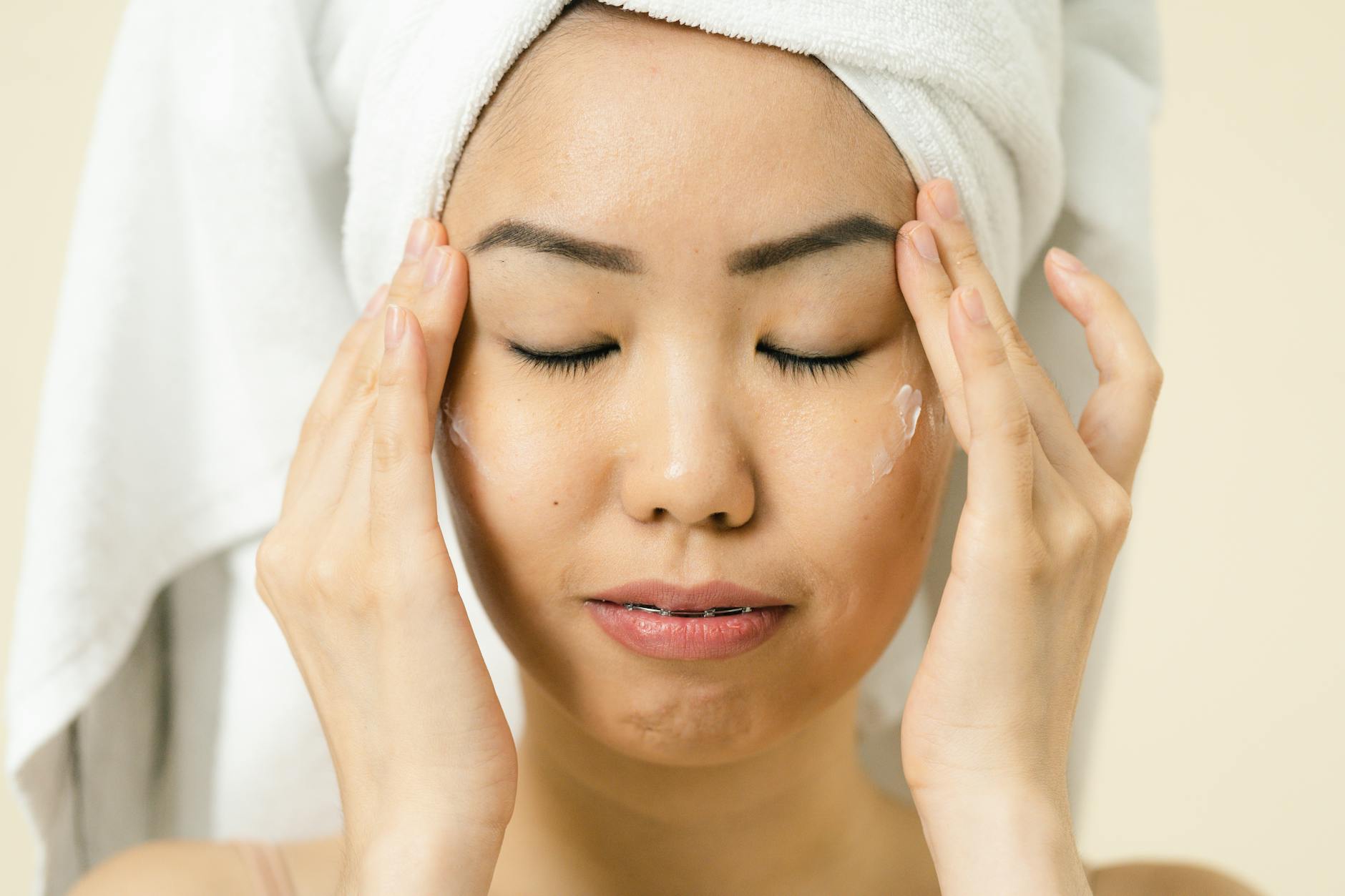
Immediately after a Q-switched session, expect transient erythema (redness) and mild edema (swelling) that typically resolve within a few days. Light crusting or scabbing may appear over treated areas; this is normal and indicates that the treatment worked. By day 2–3, re-epithelialization (new skin cell formation) begins, and the visible surface damage heals quickly.
Most patients can return to normal activities after 1–2 days, though makeup should be avoided for at least 24 hours. The erythema persists longer than you might expect—studies show it can take until day 9 for the redness to fully resolve, though it fades progressively. This is why many dermatologists recommend scheduling Q-switched sessions before weekends or when you have flexibility with your schedule. Unlike ablative lasers that create visible wounds, Q-switched doesn’t leave visible scarring or peeling, making the recovery truly low-impact despite the sustained redness.
Combining Q-Switched with Other Acne Scar Treatments
Q-switched lasers work particularly well as part of a layered approach. For scars with both texture and pigmentation, combining Q-switched (for the dark spots) with fractional resurfacing lasers or microneedling (for the indented texture) can address both problems simultaneously.
The 2025 tranexamic acid study demonstrated that adding an anti-inflammatory oral or topical supplement alongside Q-switched treatment enhanced results, reducing melasma by 90% instead of the typical 70%. For acne-prone skin still managing active breakouts, Q-switched treatment of existing dark marks doesn’t prevent future ones—the treatment is purely cosmetic for marks that have already formed. Preventing new post-inflammatory hyperpigmentation requires managing the acne itself with retinoids, benzoyl peroxide, or oral medications, plus diligent sun protection.
Conclusion
Q-switched lasers work for dark acne spots because they use ultra-fast photoacoustic shockwaves to shatter melanin particles into fragments small enough for your immune system to clear away naturally. The clinical data is robust: 70–90% of patients see significant improvement with a 4–6 session protocol, and the treatment is safe across skin tones when fluence is adjusted appropriately.
Recovery is quick—redness fades by day 9, and you can resume normal activities within 1–2 days. The main practical considerations are spacing sessions 4–6 weeks apart for optimal immune clearance, protecting treated skin from sun exposure, and being realistic about results: the best outcomes appear after 4–6 sessions, not after one or two. If you have dark acne marks that have lingered for months and haven’t faded with topical treatments, Q-switched laser is one of the most evidence-backed options available.