
Sciton Halo laser results for acne marks are typically visible within 2-4 weeks, with progressive improvement continuing over several months as collagen remodeling continues. Most patients see a 40-60% reduction in atrophic acne scars and post-inflammatory hyperpigmentation after a series of 3-4 treatments spaced 4-6 weeks apart. A patient with moderate rolling scars and brown post-acne marks might notice their scars appear shallower, the surrounding skin smoother, and the pigmentation faded to barely noticeable by month four or five—not erased entirely, but substantially softened. The Halo is a hybrid fractional laser that combines ablative and non-ablative wavelengths, making it effective at treating multiple layers of scarring and discoloration at once.
Table of Contents
- What Acne Scar Types Respond Best to Sciton Halo Treatment
- Timeline and Progressive Healing with Halo Laser Results
- How Halo Results Compare to CO2 Lasers and Other Scar Treatments
- Setting Realistic Expectations for Acne Mark Improvement
- Potential Side Effects and Downsides During Treatment
- Cost and Sessions Required for Optimal Results
- Long-term Results and Maintenance After Halo Treatment
- Conclusion
- Frequently Asked Questions
What Acne Scar Types Respond Best to Sciton Halo Treatment
The Halo laser works most visibly on post-inflammatory hyperpigmentation and shallow to moderate rolling scars, where you see the best before-and-after photos. Box car scars (depressed scars with defined edges) and rolling scars (wavy, gradual depressions) both respond well, though deep ice-pick scars may require subcision or additional treatments alongside Halo.
The laser’s combination approach—ablating the damaged surface skin while stimulating collagen in deeper layers—addresses both the pigmentation problem and the textural component simultaneously. However, severe, deep ice-pick scars won’t disappear with laser alone; you may achieve 30-40% improvement instead of 60%, and dermatologists often recommend combining Halo with subcision or filler for those cases. A patient with tan skin tone might see dramatic fading of hyperpigmentation but less visible improvement in shallow scarring compared to someone with fair skin, because the laser’s ablative wavelength is less distinctive against darker backgrounds.
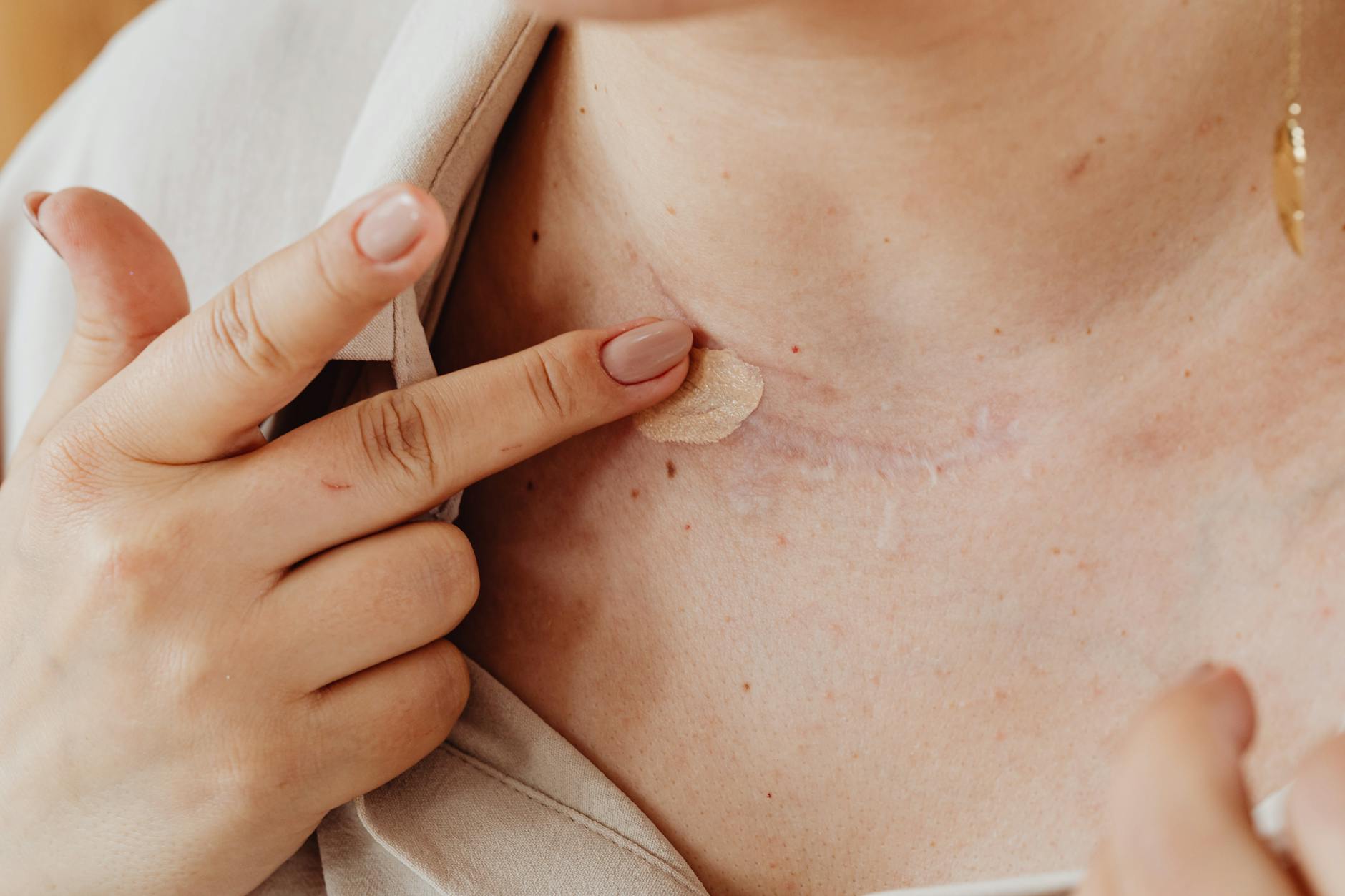
Timeline and Progressive Healing with Halo Laser Results
Immediate results show significant redness and mild swelling for 24-48 hours post-treatment, sometimes extending to a week for sensitive skin. Peeling and flaking occur days 3-7, revealing new skin that often looks brighter and smoother immediately—this is misleading because the real collagen remodeling is just beginning. By week two, the initial redness settles but the skin can still be slightly pink; this is when most people return to normal routines, though sun protection remains critical.
Real scar improvement becomes noticeable weeks 3-6 as new collagen fills in shallow depressions and pigment continues to fade. However, if you stop after one treatment, you’ll see 15-25% improvement that plateaus; the cumulative effect of multiple sessions over months is what produces the dramatic results. Healing isn’t linear—some people experience a temporary worsening of texture or redness around week 3 before improvement accelerates, which catches some patients off guard.
How Halo Results Compare to CO2 Lasers and Other Scar Treatments
CO2 lasers are more aggressive and produce faster, more dramatic results in fewer sessions (often 1-2 treatments), but they carry higher downtime (2-3 weeks of significant redness and peeling) and greater risk of hyperpigmentation, especially in darker skin tones. Halo offers a middle ground: faster results than gentler options like microneedling (which requires 6-8 sessions) but less downtime than full ablative CO2.
Microneedling produces similar 40-50% improvement over more sessions and typically lighter side effects, making it preferable for patients with darker skin or those unwilling to take significant downtime. Chemical peels and topical treatments like retinoids or vitamin C alone won’t move the needle on actual scarring—they address texture and tone at the surface only. A patient who chooses Halo over CO2 should expect to see results develop more gradually but with more predictable healing; a CO2 patient might see more dramatic improvement in the same timeframe but risks longer downtime and post-inflammatory hyperpigmentation if their skin tone is medium to dark.
Setting Realistic Expectations for Acne Mark Improvement
Complete elimination of acne scars is not realistic, even with Halo. The goal is meaningful softening that makes scars less noticeable without dramatic lighting or makeup, not invisibility. Many dermatologists quote 50-70% improvement, but this varies widely based on scar depth, skin type, and how much collagen your body can regenerate.
Shallow, wide rolling scars improve more than narrow ice-pick scars or severe box car scars. A person with very fair skin and pink post-inflammatory marks may see near-complete fading of the erythema component but persistent subtle scarring; someone with deeper scars might see texture improvement but persistent shallowing. Price and commitment matter here: good results require consistent care between treatments (sun protection, retinoid use, hydration) and willingness to undergo multiple sessions over several months. Some clinics promote Halo as a one-treatment solution, which is misleading—you may see 20-30% improvement after one session, but diminishing returns set in after the third or fourth treatment for most people.
Potential Side Effects and Downsides During Treatment
Downtime is moderate but real: expect visible redness and edema for 3-7 days, with some lingering pinkness for 2-4 weeks. Peeling and flaking are inevitable and sometimes quite pronounced; applying heavy moisturizer and avoiding makeup during this phase is essential to prevent infection and worsening of texture. The most serious risk in darker skin tones is post-inflammatory hyperpigmentation, where treated areas become darker than surrounding skin temporarily or, in rare cases, permanently.
This risk increases if sun exposure occurs post-treatment or if settings are too aggressive for your skin type. Some patients experience transient acneiform eruptions (acne-like breakouts) within a week of treatment, likely from disrupted skin barrier and increased sebum production. Herpes simplex virus (HSV) reactivation can occur in susceptible individuals; prophylactic antivirals are recommended if you have a history of cold sores. Unlike some myths, Halo doesn’t cause scarring from the laser itself when performed by experienced clinicians, but aggressive settings or poor post-care can lead to texture issues.

Cost and Sessions Required for Optimal Results
A single Halo treatment typically costs $1,500 to $3,500 depending on treatment area size and provider location. Most patients need 3-4 treatments spaced 4-6 weeks apart for optimal results, totaling $4,500 to $14,000 for a complete series.
Insurance rarely covers laser scar treatment since it’s considered cosmetic, though some plans cover treatments for functional skin damage or post-surgical scars. The investment is significant, but when compared to year-round skincare products or repeated professional treatments like microneedling or chemical peels, spreading the cost over a few months is sometimes competitive. A patient pursuing Halo should plan for this as a multi-month, multi-thousand-dollar commitment rather than expecting dramatic results from a single session.
Long-term Results and Maintenance After Halo Treatment
Halo results are lasting because the treatment stimulates genuine new collagen formation, not just surface plumping. Most people maintain 70-80% of their improvement 2-3 years post-treatment, with gradual softening over time as normal aging and sun exposure accumulate.
Maintenance treatments are often recommended annually or every 18 months to sustain results and address any new breakouts or marks. Your skin continues to age and change, so the comparison point isn’t “scars gone forever” but rather “scars much less noticeable than they would have been without treatment.” Continued sun protection and skincare consistency (retinoids, vitamin C, moisturizer) help preserve results longer. Someone who does a full Halo series at age 28 might maintain those results through their 30s with annual touch-ups, whereas someone who skips sun protection or doesn’t address new acne might see results degrade more quickly.
Conclusion
Sciton Halo laser delivers visible, meaningful improvement in acne scars and post-inflammatory marks within weeks, with continued refinement over several months. Results are cumulative—multiple sessions produce far better outcomes than a single treatment—and realistic expectations involve 40-70% improvement, not erasure.
The trade-off is moderate downtime, cost ($4,500 to $14,000+ for a full series), and a 3-6 month treatment timeline, but the results are durable and represent genuine collagen remodeling rather than temporary effects. If acne marks are affecting your confidence or you’ve exhausted topical options, consult a board-certified dermatologist who has significant experience with Halo specifically. They can assess your scar type, skin tone, and healing capacity to determine whether Halo is your best option or whether combining it with subcision, filler, or other treatments makes sense for your situation.
Frequently Asked Questions
Will Halo laser remove my acne scars completely?
No, Halo softens scars significantly but doesn’t erase them entirely. Expect 40-70% improvement depending on scar depth and type, with deeper ice-pick scars improving less than rolling or box car scars. Complete erasure would require destruction of the entire scarred area and regrowth from scratch, which carries unacceptable risks.
How many Halo treatments do I really need?
Most people see meaningful results after 3-4 treatments, though some benefit from 5-6 sessions. One treatment produces 15-25% improvement that plateaus; additional sessions offer diminishing returns. Your dermatologist will assess progress and adjust the plan accordingly.
Is Halo safe for dark skin?
Halo can be used safely on darker skin tones, but it carries a higher risk of post-inflammatory hyperpigmentation if settings are too aggressive or post-treatment sun protection is inadequate. Work with a dermatologist experienced in treating darker skin with fractional lasers, and strictly avoid sun exposure during healing.
How long does redness and peeling last?
Significant redness and edema resolve within 3-7 days. Visible peeling typically occurs days 3-7. Some residual pinkness may persist for 2-4 weeks, but makeup can cover it by day 5-7. Complete healing to baseline takes 4-6 weeks.
Can I combine Halo with other scar treatments?
Yes. Many dermatologists use Halo alongside subcision for deep ice-pick scars or dermal filler for rolling scars to optimize results. However, these treatments are typically spaced weeks apart to prevent excessive inflammation and allow adequate healing between procedures.
What’s the difference between Halo and older fractional lasers?
Halo’s hybrid ablative-nonablative approach produces faster results with less downtime than older non-ablative fractional lasers alone. Compared to full-field ablative CO2, Halo offers a balance: faster results than gentle options, but less aggressive and with lower hyperpigmentation risk than old CO2 systems, especially in darker skin.