
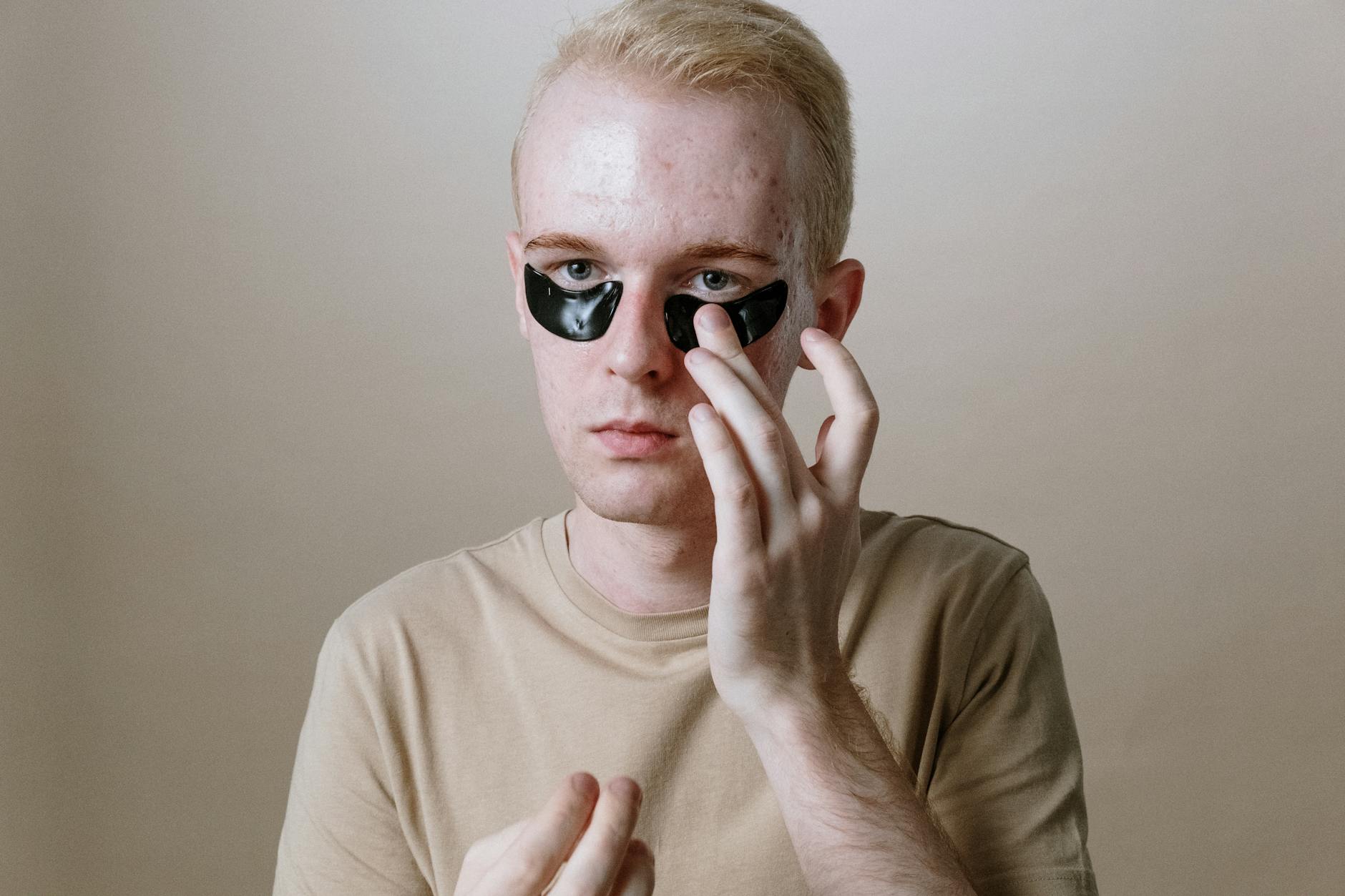
Plasma fibroblast therapy works by stimulating your skin’s own fibroblast cells to produce new collagen, which literally rebuilds the depressed and textured tissue that acne scars create. Unlike topical treatments or dermal fillers that sit on the surface or provide temporary volume, this approach triggers your skin’s natural healing mechanisms to create lasting structural improvements.
If you have shallow to moderate acne scars and want a non-surgical option that addresses the root problem—insufficient collagen in scarred areas—plasma fibroblast therapy can deliver measurable improvement, with most patients seeing results within three months and satisfaction rates exceeding 99%. The therapy works through controlled thermal and ablative effects that activate dormant fibroblasts in the deeper layers of your skin. This section will explain the mechanism, review the clinical evidence, walk you through what to expect, discuss costs, address safety concerns, and help you determine whether this treatment is right for your acne scarring.
Table of Contents
- How Does Plasma Fibroblast Therapy Actually Rebuild Acne Scars?
- What Do Clinical Studies Show About Plasma Fibroblast Effectiveness?
- What Happens During and After a Plasma Fibroblast Treatment?
- How Much Does Plasma Fibroblast Therapy Cost and Is It Worth It?
- What Are the Side Effects and Safety Concerns?
- How Long Do Results Last and Do You Need Repeat Treatments?
- How Does Plasma Fibroblast Compare to Newer Scar Treatment Innovations?
- Conclusion
How Does Plasma Fibroblast Therapy Actually Rebuild Acne Scars?
Acne scars form because the skin loses collagen during the inflammatory healing process after severe breakouts. When sebaceous glands become infected and rupture deep into the dermis, the body’s repair response doesn’t fully restore the structural protein network. This leaves behind depressed areas—atrophic scars—that casting shadows and create a textured, uneven appearance. Plasma fibroblast therapy addresses this directly by re-energizing fibroblasts, the cells responsible for producing collagen and elastin in the dermis.
The mechanism involves using plasma energy—ionized gas generated at extremely high temperatures—to create controlled micro-injuries in the treatment area. These injuries don’t cut or ablate tissue in the traditional sense but rather generate enough thermal stress to signal fibroblasts that new collagen needs to be laid down. The fibroblasts respond by entering an active phase, synthesizing fresh collagen that gradually fills in scarred depressions and improves skin texture. Recent 2025 research shows that when autologous fibroblasts (cells harvested from your own skin) are combined with platelet-rich plasma, the regenerative effect is significantly more potent than either treatment alone, improving not just scar appearance but also skin thickness, elasticity, and hydration.
What Do Clinical Studies Show About Plasma Fibroblast Effectiveness?
The clinical data on plasma fibroblast therapy is encouraging, though researchers consistently note the field needs larger, longer-term controlled trials. A prospective study of fractional micro-plasma radio-frequency treatment in Chinese patients reported a 100% response rate, meaning every single participant showed measurable improvement. The breakdown was notable: 17.44% experienced excellent results, 53.49% achieved good results, 27.90% saw moderate improvement, and only 1.16% had mild improvement. This distribution matters because it shows most people fall into the good-to-excellent range rather than marginal results.
More recent data from a 2025 clinical study comparing autologous fibroblast injections combined with platelet-rich plasma to PRP alone demonstrated significantly greater improvements in multiple metrics—skin thickness, elasticity, hydration, pore size, and scar volume. A Phase III clinical trial with 215 patients found response rates of 75.0% at nine months and 81.6% at twelve months with autologous fibroblast injections compared to placebo. However, if you have severe, boxcar, or ice-pick scars—the deepest acne scar types—you should know that plasma fibroblast therapy works better for rolling scars and moderate atrophic scarring. Extremely deep scars may need combination approaches or multiple sessions.
What Happens During and After a Plasma Fibroblast Treatment?
A typical plasma fibroblast session begins with topical numbing cream applied 30-45 minutes before treatment, though some clinics use local anesthesia for larger areas. The practitioner uses a handheld device—the most common being the PlasmaPen—to deliver plasma energy across the scarred areas. The sensation is often described as warm and prickling rather than painful, though pain tolerance varies. The treatment itself usually takes 30-60 minutes depending on scar size and depth. You’ll see immediate redness and slight swelling, which is expected and indicates the fibroblasts have received the signal to start rebuilding. The recovery phase is critical and extends over several weeks.
For the first 24-48 hours, you’ll have noticeable redness and possibly pinpoint bleeding spots. By day 3-5, the treated skin develops a tan or brownish crust as surface cells shed—this is normal healing, not scarring. By week two, most crusting resolves and redness begins fading. The real work happens beneath the surface: fibroblasts are actively synthesizing new collagen over the first three months. This means improvements appear gradually rather than immediately. You’ll notice texture improvements around week 3-4, with continued refinement through three months and sometimes beyond.
How Much Does Plasma Fibroblast Therapy Cost and Is It Worth It?
The average cost of PlasmaPen treatment is approximately $1,154, but the range is substantial—from as low as $400 for small, localized areas to $2,500 for extensive facial scarring. The price variation depends primarily on treatment area size and the extent of scarring. Small focused areas on the cheek might cost $350-$600, while treating full-face acne scarring could reach $2,000-$2,500. Most insurance plans classify this as cosmetic rather than medically necessary, so expect to pay out-of-pocket.
When evaluating cost, compare it to alternatives: traditional surgical treatments like punch excision or subcision typically range from $1,500-$3,000 and require downtime of several weeks. Laser resurfacing can cost $1,500-$4,000 with similar recovery demands. Dermal fillers for scars cost $600-$1,200 per treatment but require maintenance every 6-12 months, making them expensive long-term. Plasma fibroblast’s advantage is that it builds your own collagen rather than relying on temporary fillers, though the upfront cost is comparable. If you have moderate scarring and want something less invasive than surgery but more permanent than fillers, the cost often justifies the value—especially since results last one to three years.
What Are the Side Effects and Safety Concerns?
The safety profile of plasma fibroblast therapy is solid. The 2025 clinical study comparing autologous fibroblasts with platelet-rich plasma reported no serious adverse events in either treatment group. The documented side effects are mild and temporary: pain during or immediately after treatment (managed with topical anesthesia), edema or swelling in the treated area, erythema or redness, scaling as skin sheds the outer damaged layer, and rarely, effusion or fluid accumulation. These effects typically resolve within 1-2 weeks.
However, if you have darker skin tones (Fitzpatrick types 4-6), you should proceed with caution and seek practitioners experienced with these skin types. Research from 2020 indicates plasma fibroblast safety is most established for Fitzpatrick types 1-3. Darker skin types carry a theoretical increased risk of post-inflammatory hyperpigmentation, where the treated area becomes darker than surrounding skin during healing. This isn’t common but requires careful technique and sun protection to prevent. Additionally, if you have a history of keloid or hypertrophic scarring, or active acne, inform your practitioner before treatment—plasma therapy is not recommended when active breakouts are present.
How Long Do Results Last and Do You Need Repeat Treatments?
Results from plasma fibroblast therapy become visible around three months, when newly synthesized collagen has reorganized and thickened the dermis. Most sources indicate results last between one to three years, though some evidence suggests results plateau after twelve months as the newly stimulated fibroblasts gradually return to their baseline activity. This makes it more durable than dermal fillers but not necessarily permanent. The timeline varies based on your individual skin biology, age, and ongoing collagen degradation—younger people with good skin health tend to see longer-lasting results.
Because results are dose-dependent, multiple sessions spaced 4-8 weeks apart often produce better outcomes than a single treatment. If your scarring is moderate to severe, dermatologists typically recommend 2-3 sessions for optimal results. You can also consider a maintenance session every 12-18 months if you want to extend or refresh results. Think of it as a collagen reboot rather than a one-time fix—your skin will continue aging and collagen will naturally degrade, but you’ve given it a significant advantage and reset the clock on visible scarring.
How Does Plasma Fibroblast Compare to Newer Scar Treatment Innovations?
The acne scar treatment landscape has expanded significantly in recent years. Plasma fibroblast represents a middle ground between non-invasive treatments and surgical interventions—more effective than topicals but less aggressive than excision. Newer hybrid approaches combine plasma fibroblast with other technologies; some clinics now pair it with radiofrequency microneedling to extend the healing stimulus, or follow it with light-based therapies to address post-inflammatory hyperpigmentation alongside scarring.
The 2025 research suggesting that autologous fibroblast cells combined with PRP outperform either treatment alone points toward a future where personalized combination therapies become standard for stubborn scarring. For acne scars, the field is also seeing increased interest in stem cell and regenerative approaches, though these remain mostly research-based and haven’t reached the clinic for scar treatment. In the near term, plasma fibroblast’s proven safety profile and growing clinical data make it a solid choice for moderate scarring. The key advantage is that it stimulates your own tissue regeneration rather than relying on foreign materials or permanent surgical alteration.
Conclusion
Plasma fibroblast therapy works by stimulating your fibroblasts to produce new collagen, rebuilding the volume and texture lost to acne scarring. Clinical studies show excellent safety and satisfaction rates exceeding 99%, with response rates ranging from mild to excellent improvement depending on scar depth and individual healing. Results typically appear over three months and last one to three years, making this a durable alternative to temporary fillers or invasive surgery.
If you have moderate acne scarring, are willing to tolerate temporary redness and crusting during recovery, and want a treatment that works with your body’s natural healing processes rather than against it, plasma fibroblast therapy is worth exploring. Consult with a dermatologist or licensed practitioner experienced in this technology to assess your scarring pattern, discuss realistic expectations for your specific situation, and determine whether single or multiple sessions would best address your concerns. The investment in your skin’s regeneration now can yield lasting confidence improvements for years to come.