
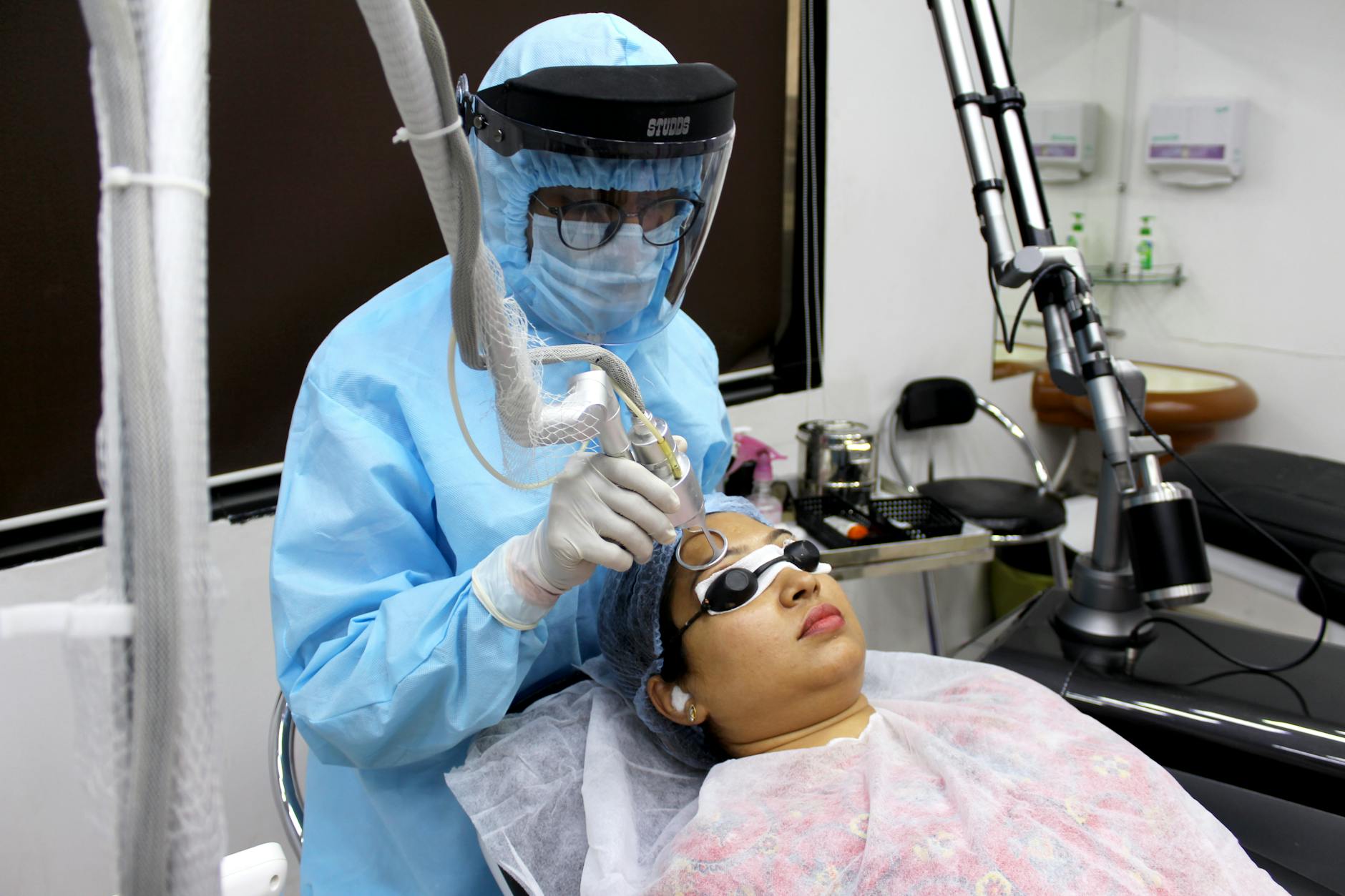
Jessner’s peel is a medium-depth chemical peel that can help reduce active acne breakouts and fade acne scars and post-inflammatory hyperpigmentation, though its effectiveness depends heavily on the type and severity of marks you’re treating. The peel works by chemically exfoliating the epidermis and upper dermis using a blend of salicylic acid, lactic acid, and resorcinol, which increases cell turnover, reduces bacterial colonization in pores, and stimulates collagen remodeling. For someone with persistent acne scarring and active breakouts across their cheeks and jawline, a series of Jessner’s peels might improve texture and reduce active inflammation, though deeper rolling or atrophic scars may require microneedling or other approaches for better results. This article covers how Jessner’s peels address acne on a chemical level, what results you can realistically expect, the recovery process, and when this treatment makes sense compared to alternatives.
Table of Contents
- How Does Jessner’s Peel Target Active Acne Bacteria and Oil Production?
- What Results Can You Expect for Acne Scars and Post-Inflammatory Marks?
- How Do You Prepare for a Jessner’s Peel Before Treatment?
- What Is the Recovery Timeline and What Should You Expect Immediately After?
- What Are the Risks and Potential Complications?
- How Often Can You Repeat Jessner’s Peels for Acne Treatment?
- How Do Jessner’s Peels Compare to Other Acne Scar and Acne Treatment Options?
- Conclusion
- Frequently Asked Questions
How Does Jessner’s Peel Target Active Acne Bacteria and Oil Production?
Jessner’s peel reduces active acne by increasing epidermal turnover and creating an environment hostile to Cutibacterium acnes (formerly Propionibacterium acnes), the bacteria responsible for inflammatory acne. The salicylic acid component penetrates oily skin and decongests clogged pores, while the combination of all three acids creates a temporary inflammatory response that brings immune cells to the surface and accelerates shedding of colonized skin cells. For example, someone with persistent comedonal acne on their forehead might see a noticeable reduction in breakouts within 2–3 weeks after a single peel, as the freshly exfoliated skin is less hospitable to bacterial overgrowth and sebum buildup.
However, Jessner’s peel is not a permanent acne cure. If you have hormonal acne driven by testosterone sensitivity or PCOS, the peel addresses surface-level inflammation and bacteria but doesn’t address the underlying hormonal drivers. This means active breakouts may return after the benefits fade unless you’re also using a maintenance regimen of topical retinoids, salicylic acid cleansers, or prescription treatments like spironolactone or isotretinoin.
What Results Can You Expect for Acne Scars and Post-Inflammatory Marks?
Jessner’s peel helps fade acne scars and post-inflammatory hyperpigmentation by stimulating collagen synthesis and allowing the epidermis to resurface with fresher, more uniform pigmentation. Shallow atrophic scars (the small, pitted depressions left behind after acne heals) can improve by 20–40% after a series of 3–4 peels spaced 4 weeks apart, as the peel encourages the dermis to lay down new collagen and fill in minor indentations. Post-inflammatory hyperpigmentation, the dark or brown spots that linger after inflammatory acne heals, often responds better—many people see 50–70% improvement in pigmentation after 2–3 peels, particularly if they have darker skin tones where these marks are more common and visible.
The limitation here is important: Jessner’s peel works poorly for deep, icepick-shaped scars or rolling scars that are more than a few millimeters deep. These scars require subcision, microneedling with radiofrequency, or dermal fillers to improve noticeably. Additionally, if you have darker skin (Fitzpatrick types IV–VI), Jessner’s peel carries a higher risk of post-inflammatory hyperpigmentation itself—meaning the treatment meant to fade dark marks could ironically create new ones if aftercare sun protection is inadequate.
How Do You Prepare for a Jessner’s Peel Before Treatment?
Proper preparation significantly affects both safety and results. You should ideally begin a pre-peel regimen 2 weeks before treatment: use a gentle cleanser, apply a broad-spectrum SPF 30+ daily (non-negotiable, as sun exposure before the peel increases the risk of post-treatment pigmentation issues), introduce a low concentration retinoid like tretinoin 0.025% at night if your skin tolerates it, and avoid other active exfoliants like glycolic acid toners or vitamin C serums.
For someone with a history of cold sores (HSV-1), your dermatologist will typically prescribe prophylactic antiviral medication like valacyclovir to take the day before and for 7–10 days after the peel, as the chemical irritation can trigger a reactivation. You should also inform your dermatologist if you are taking any medications that increase photosensitivity—like certain antibiotics, NSAIDs, or retinoids at high doses—or if you have a history of keloid formation or abnormal wound healing. If you’ve had botox, fillers, or laser treatments in the past 2 weeks, let them know, as layering treatments can cause unnecessary irritation or compromise results.
What Is the Recovery Timeline and What Should You Expect Immediately After?
The recovery from Jessner’s peel is typically 5–7 days of visible peeling and flaking, compared to 1–2 days for a lighter glycolic or salicylic acid peel. Immediately after the peel, your skin will be red, tight, and may sting for the first 2–4 hours. By day 2–3, visible flaking and peeling begin as the epidermis sheds; your skin may look rough, patchy, and significantly worse before it looks better—this is normal and expected. By day 5–7, most visible peeling has subsided, though some people experience mild flaking for up to 10 days.
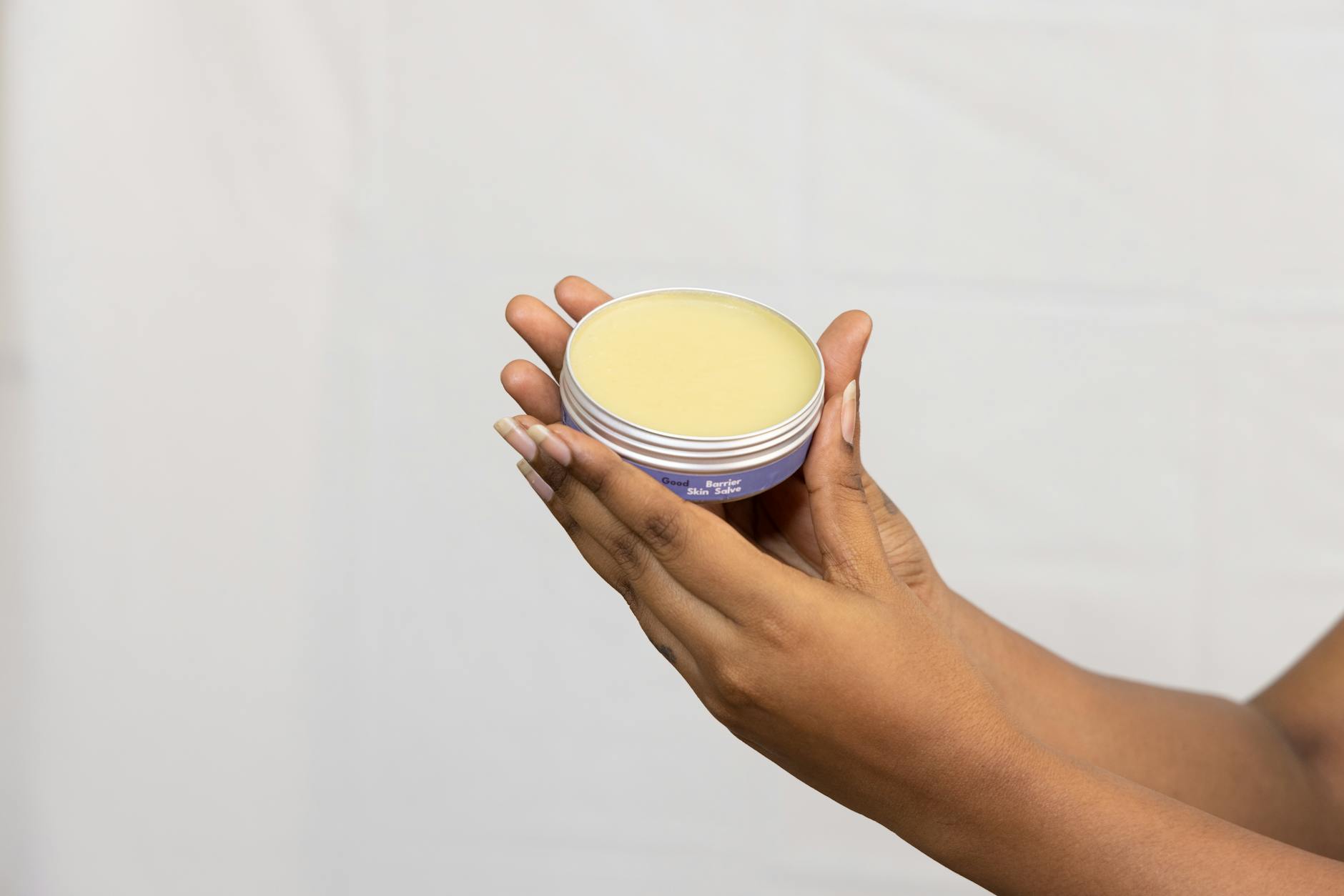
Importantly, you cannot scrub, pick, or physically exfoliate during this window; picking at peeling skin can delay healing, increase infection risk, and create post-inflammatory hyperpigmentation or scarring. Aftercare during recovery is stringent. Use only a gentle, fragrance-free cleanser and moisturizer; apply a healing balm like Aquaphor or Cetaphil several times daily; avoid all actives (retinoids, acids, vitamin C); and wear SPF 50+ broad-spectrum sunscreen daily without fail. This is where many people fail to commit fully—skipping sunscreen during the peeling phase can result in uneven pigmentation, persistent redness, or the formation of new hyperpigmentation that undoes some of the peel’s benefits. One person who received a Jessner’s peel for acne scars on their cheeks but neglected sunscreen during recovery reported brown patches appearing 3 weeks later, requiring months of additional fading treatments.
What Are the Risks and Potential Complications?
While Jessner’s peel is generally safe when performed by an experienced provider, it does carry risks, particularly for darker skin types. The most common side effect is temporary post-inflammatory hyperpigmentation, occurring in 10–15% of people with Fitzpatrick types III–VI, especially if sun protection lapses. More serious but rare complications include infection, persistent redness or dermatitis lasting beyond 2 weeks, keloid or hypertrophic scar formation, and temporary or permanent pigmentation changes.
There is also a risk of over-treating sensitive areas. The skin around the eyes and mouth is thinner and more prone to irritation and pigmentation changes, so experienced providers typically spare these areas or use a gentler approach if treating them. If you are prone to reactive dermatitis, rosacea, or have recently used isotretinoin (Accutane), you should discuss these factors with your dermatologist—isotretinoin can thin the skin and impair wound healing, so peels may need to be delayed several months after finishing the medication.
How Often Can You Repeat Jessner’s Peels for Acne Treatment?
Most dermatologists recommend spacing Jessner’s peels 4–6 weeks apart, with a typical series of 3–4 peels for noticeable improvement in acne scars and active breakouts. Some providers suggest annual maintenance peels afterward to sustain collagen remodeling and keep acne at bay, while others recommend switching to gentler peels or other modalities once desired results are achieved.
You should not repeat a Jessner’s peel more frequently than every 4 weeks, as this increases the cumulative risk of irritation, pigmentation changes, and compromised barrier function. For someone managing active acne alongside acne scars, your provider might recommend a staggered approach: perform a Jessner’s peel when acne is relatively calm (no active cysts or severe inflammation), follow up with a gentle skincare regimen for 4–6 weeks, then assess whether another peel is needed or whether you should switch to other treatments like laser therapy or microneedling.
How Do Jessner’s Peels Compare to Other Acne Scar and Acne Treatment Options?
Jessner’s peel is one of many options for addressing acne and acne scars, each with different recovery times, costs, and suitability depending on your scar type and skin tone. Microneedling is gentler (1–2 days of downtime) and works well for rolling scars and broader skin texture improvement, but requires more sessions (typically 4–6) to match the collagen-stimulating effect of a few Jessner’s peels. Laser resurfacing like fractionated CO2 laser delivers more dramatic results in fewer sessions but carries higher downtime (10–14 days), higher cost ($3,000–$8,000 per session), and greater risk of pigmentation issues in darker skin.
For shallow post-inflammatory hyperpigmentation alone, chemical peels like lower-strength glycolic or salicylic acid peels are faster to recover from but may not address textural scarring as effectively. Looking forward, combination approaches—such as a Jessner’s peel followed by microneedling 6–8 weeks later—are gaining traction as a way to maximize collagen remodeling and address both surface-level acne and deeper scarring with reduced overall downtime and cost compared to aggressive single treatments. If you’re investing in acne scar treatment, consulting with a dermatologist who can assess your specific scar morphology and skin tone will help determine whether Jessner’s peel alone is sufficient or whether a combination approach would yield better outcomes.
Conclusion
Jessner’s peel can meaningfully reduce active acne breakouts and fade acne scars and post-inflammatory hyperpigmentation through medium-depth chemical exfoliation that accelerates cell turnover and stimulates collagen remodeling. Results typically require a series of 3–4 peels spaced 4–6 weeks apart, with noticeable improvement in active acne within 2–3 weeks and progressive improvement in scarring and pigmentation over several months.
The trade-off is that recovery involves 5–7 days of visible peeling and requires strict sun protection and gentle skincare to avoid complications. Before pursuing Jessner’s peels, confirm with a dermatologist that this is the right treatment for your specific acne scar type and skin tone, particularly if you have darker skin, a history of keloids, or are taking medications like isotretinoin. If Jessner’s peel doesn’t deliver the results you’re hoping for, or if your scars are deeper and more severe, microneedling, laser resurfacing, or combination approaches may be more effective—and an experienced provider can guide you toward the best pathway based on your goals and skin type.
Frequently Asked Questions
Can Jessner’s peel help with hormonal acne?
Jessner’s peel can reduce inflammation and bacterial load temporarily, which may ease active breakouts. However, if your acne is driven by hormonal sensitivity (like with PCOS or androgen sensitivity), the peel addresses symptoms but not the underlying cause. You would still need hormonal management through birth control, spironolactone, or other medications to prevent acne from returning.
How much does a Jessner’s peel cost, and is it covered by insurance?
A single Jessner’s peel typically costs $400–$800 depending on the provider and treatment area, with a series of 3–4 peels costing $1,200–$3,000 total. Insurance does not cover chemical peels performed for cosmetic reasons, though if a dermatologist documents the treatment as medically necessary for acne management, some insurers may cover a portion.
Will Jessner’s peel make hyperpigmentation worse on my darker skin?
There is a real risk of post-inflammatory hyperpigmentation, particularly if you have Fitzpatrick types IV–VI. However, this risk is manageable with rigorous sun protection (SPF 50+), gentle aftercare, and possibly pre-treatment with hydroquinone or other skin-lightening agents. Discuss your specific skin tone and history with your dermatologist before proceeding.
How long do results from Jessner’s peels last?
Results from acne scar improvement tend to be permanent, as new collagen laid down during healing remains. Active acne suppression typically lasts 2–4 months after the series, after which maintenance peels or ongoing acne treatment (topicals, oral medications) may be needed. Post-inflammatory hyperpigmentation improvement is usually sustained, though new breakouts and sun exposure can create new marks over time.
Can I do a Jessner’s peel if I’m currently breaking out?
It’s better to schedule the peel when active acne is relatively calm, as treating highly inflamed or cystic acne with a medium-depth peel can intensify irritation and potentially increase scarring risk. Your dermatologist may recommend clearing active breakouts with topical or oral medications first, then performing the peel once inflammation has subsided.
Is there a less aggressive alternative to Jessner’s peel for acne marks?
Yes. Lighter peels like glycolic acid (15–70%) or salicylic acid peels have minimal downtime (1–2 days) and are gentler on darker skin, though they require more sessions to match Jessner’s results. Microneedling is another gentler option with 1–2 days of downtime. If you have minimal downtime tolerance, discuss these alternatives with your provider.