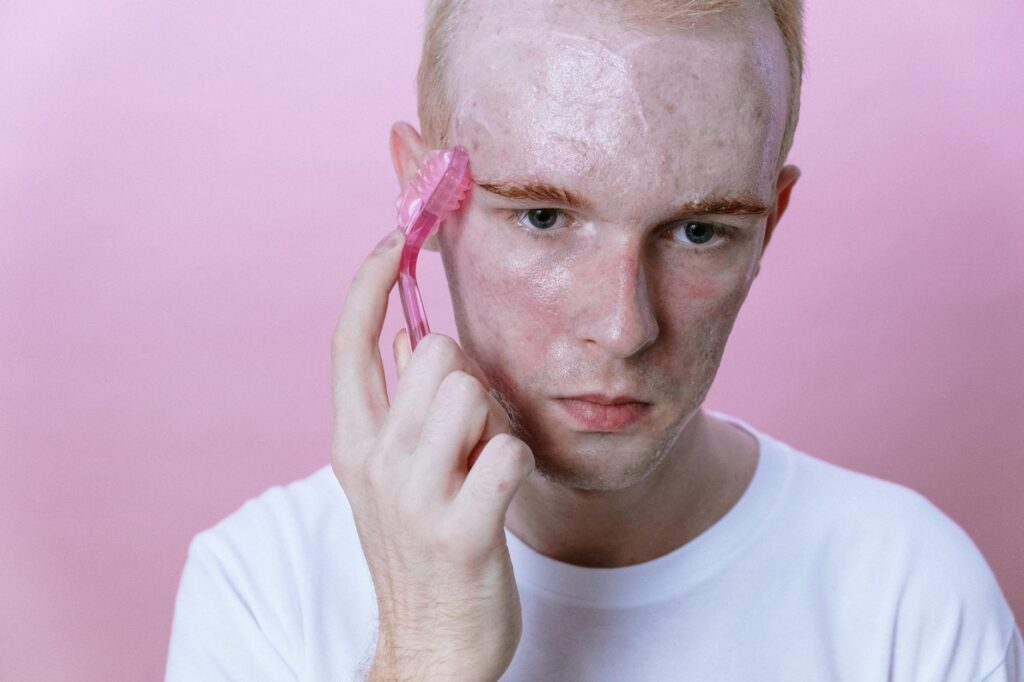
Microdermabrasion can help reduce the appearance of shallow to moderate acne scars by exfoliating the skin and stimulating collagen remodeling, but it cannot eliminate deep or severe scarring. If you have rolling scars (broad, wave-like indentations) or boxcar scars (squared-off depressions) that are less than 2mm deep, microdermabrasion may noticeably improve texture and reduce their visibility. However, it will not erase deep ice-pick scars (narrow, puncture-like scars) or severe pitted scars that extend well below the skin’s surface. This article explores what microdermabrasion actually accomplishes, which scar types respond best to treatment, realistic results, and when you need other options.
Microdermabrasion works by using tiny crystals or a diamond-tipped wand to mechanically resurface the epidermis and dermis. The repeated passes trigger the body’s natural healing response, which includes collagen production and cell turnover. For someone with mild acne scarring and uneven texture, a series of treatments might produce visibly smoother skin within a few months. For someone with deep crater-like scars, microdermabrasion alone may only provide minor improvement and would need to be combined with other treatments like dermal fillers or subcision.
Table of Contents
- How Microdermabrasion Addresses Shallow and Moderate Acne Scarring
- Which Acne Scar Types Respond Best and Which Don’t
- What Results Actually Look Like After Treatment
- Treatment Protocols, Sessions, and What to Expect Between Visits
- Key Limitations and Complications to Consider
- Combining Microdermabrasion with Other Treatments
- Future Alternatives and Emerging Technologies
- Conclusion
- Frequently Asked Questions
How Microdermabrasion Addresses Shallow and Moderate Acne Scarring
Microdermabrasion reshapes the skin’s topography by removing the outer damaged layers and encouraging the deeper dermis to remodel itself. When the treatment removes the cornified outer layer, it signals your skin to produce fresh collagen and elastin. Over a series of treatments spaced 2–4 weeks apart, this cumulative collagen response can fill in shallow depressions and smooth irregular texture. The process is non-invasive and requires no downtime for most people, making it an accessible first step for acne scar treatment.
The effectiveness depends heavily on scar depth and type. A patient with rolling acne scars—the kind that look like gentle waves across the cheeks—often sees noticeable improvement because these scars respond well to collagen stimulation. Another patient with isolated shallow boxcar scars might see 30–50% improvement in appearance. However, someone with the same scar types but much deeper indentation may need additional treatments. The key variable is how far below the skin surface the scar extends; microdermabrasion can only work so deep into the dermis before it creates risk of scarring the treatment area itself.
Which Acne Scar Types Respond Best and Which Don’t
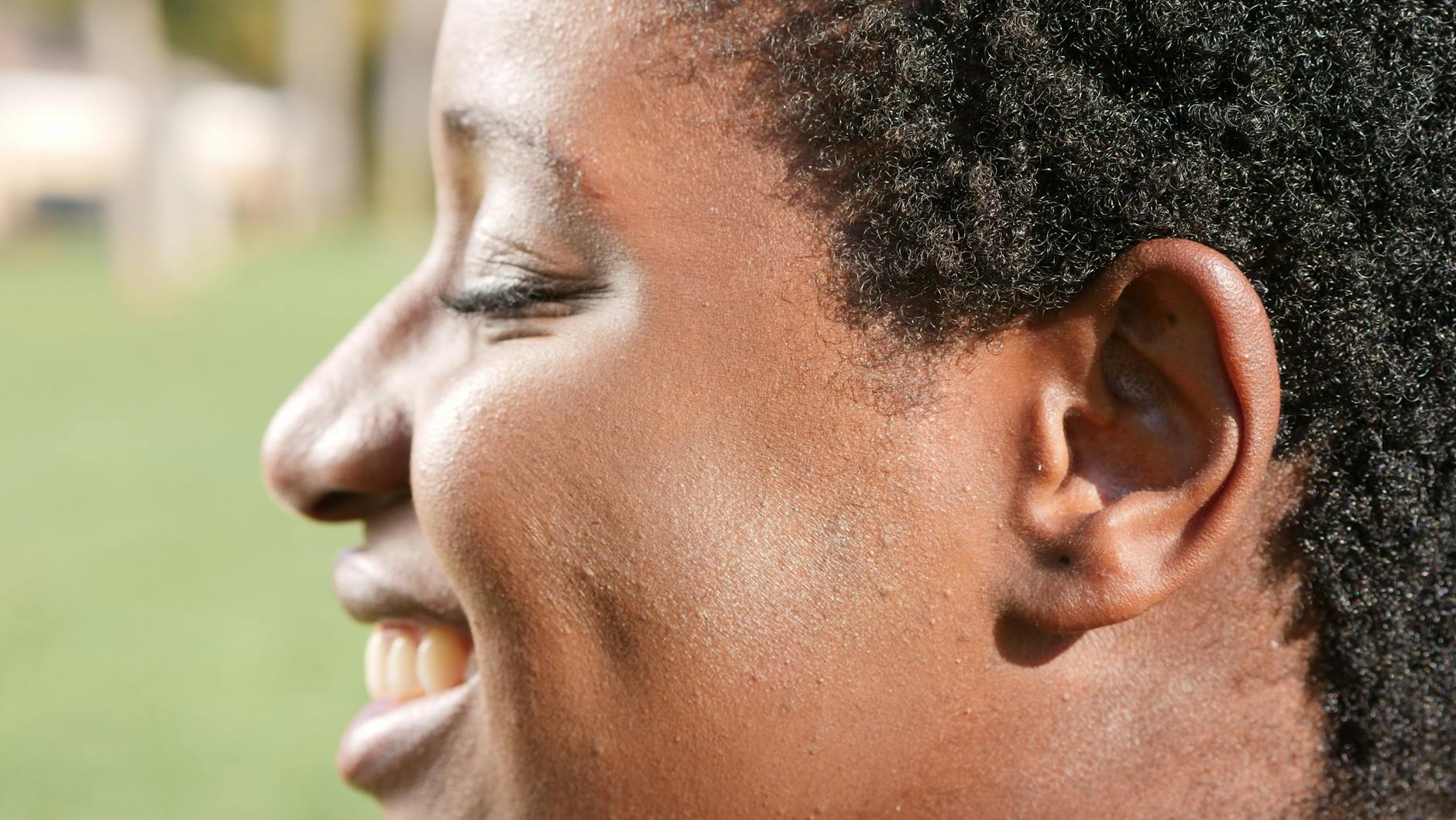
Acne scars come in three main types, and they respond very differently to microdermabrasion. Rolling scars—characterized by broad, sloping indentations that give the skin a rippled appearance—respond best because their gradual slopes allow collagen remodeling to smooth them over time. Boxcar scars, which have steeper walls and a flat bottom like a rectangular pit, also respond reasonably well if they are not too deep, typically improving 20–40% with a full treatment series. Ice-pick scars, by contrast, rarely improve significantly with microdermabrasion alone because they extend far too deeply into the dermis for surface-level exfoliation to address.
However, if a deep ice-pick scar is located on the cheek and you also have generalized skin texture issues, microdermabrasion might still have value as part of a combination approach. It can smooth the surrounding skin and reduce the relative contrast, making the scar less noticeable even if the scar itself isn’t filled in. But if you have a single prominent ice-pick scar on the nose or forehead, microdermabrasion will almost certainly disappoint you and waste both time and money. In such cases, subcision or punch excision are more appropriate first steps.
What Results Actually Look Like After Treatment
After a single microdermabrasion session, skin appears slightly red, feels smoother, and may show minor improvement in texture. The real changes emerge over weeks as collagen production increases. After 4–6 treatments, most people with mild-to-moderate scarring report that scars look softer and less defined, lighting appears more even across the face, and minor texture irregularities have largely smoothed out. Someone who started with bumpy, uneven skin tone might feel confident enough to skip heavier foundation coverage.
Improvement typically plateaus after 6–8 treatments; additional sessions beyond that show diminishing returns. It’s important to understand that you’re not erasing scars—you’re reducing their visual impact by improving skin quality around them and gradually filling them in with new collagen. If you have deep boxcar or ice-pick scars that you were hoping would disappear entirely, you’ll likely feel disappointed. Realistic expectations are crucial: microdermabrasion is excellent at refining skin texture, reducing redness, and improving the appearance of shallow scarring, but it is not a scar eraser for severe damage.

Treatment Protocols, Sessions, and What to Expect Between Visits
A typical microdermabrasion course involves 4–6 sessions spaced 2–4 weeks apart, with some patients continuing for 8–10 sessions if results are favorable. Each session lasts 30–45 minutes, and the immediate effects include redness, mild swelling, and a sandpaper-like feel to the skin that gradually resolves over 24–48 hours. Your skin will be photosensitive and flaky for several days afterward, so sun protection is non-negotiable. Most people can return to work immediately, though they may look slightly abraded.
Between sessions, your skin undergoes active collagen remodeling and cellular turnover. Some practitioners recommend a 2-week gap to allow inflammation to resolve, while others space treatments 3–4 weeks apart for more dramatic collagen stimulation. The trade-off is that longer intervals mean slower overall progress, but they also reduce cumulative irritation. For someone treating acne scars alongside active breakouts, this timing matters; treating inflamed or recently traumatized skin with microdermabrasion can worsen irritation and even trigger post-inflammatory hyperpigmentation. Waiting until breakouts are under control is advisable for most skin types, especially deeper skin tones.
Key Limitations and Complications to Consider
Microdermabrasion has real limitations that don’t improve with more sessions or higher intensity. It cannot treat severe ice-pick scars, cannot fill deep craters without supplementary treatments, and may paradoxically worsen the appearance of very dark post-inflammatory marks by stimulating melanin production. For people with active acne, rosacea, or eczema, microdermabrasion may trigger flare-ups and should only be done after those conditions are well-controlled. Additionally, very fair skin can develop temporary hypopigmentation (pale patches) that resolve over weeks, while deeper skin tones risk hyperpigmentation if sun protection is imperfect post-treatment.
The cost is another practical limitation: a full treatment course of 6–8 sessions typically ranges from $1,200 to $3,000 depending on practitioner and geography. If you later decide you need laser resurfacing or subcision for deeper scars, you’ve already invested significantly in a treatment that addressed only the surface. Some dermatologists argue that starting with a more aggressive option like fractional laser, which penetrates deeper and addresses more severe scarring, is a better initial investment if your scars are anything beyond mild. The combination of moderate results, extended timeframe, and cost makes microdermabrasion best suited for mild-to-moderate scarring rather than severe cases.
Combining Microdermabrasion with Other Treatments
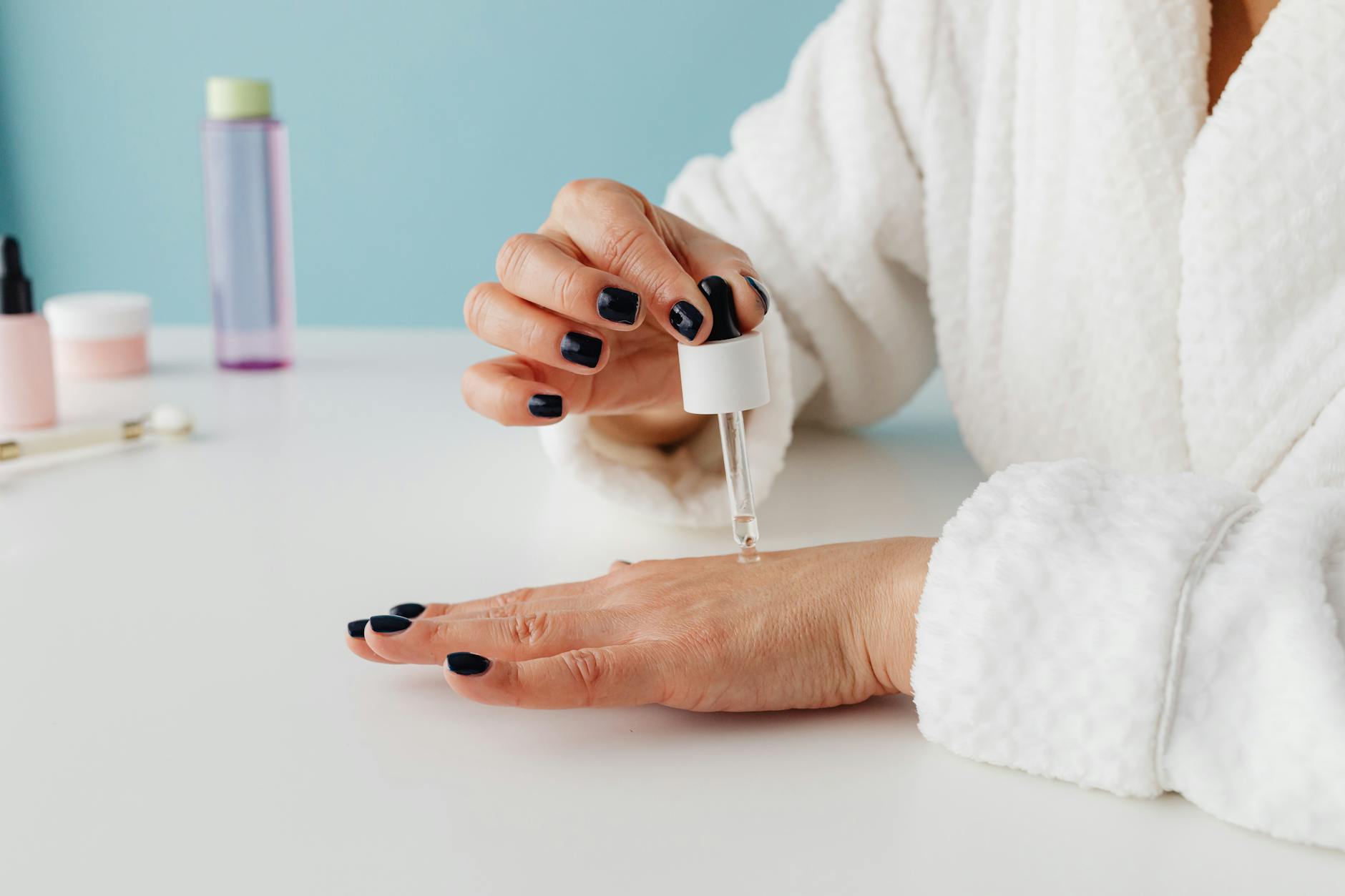
Microdermabrasion works well alongside other treatments and can serve as a complementary step rather than the sole solution. Many dermatologists use microdermabrasion before laser resurfacing to prepare the skin and remove surface irregularities, potentially improving laser effectiveness. When combined with topical vitamin C or retinol between sessions, collagen stimulation may be enhanced.
For someone with both scarring and post-inflammatory hyperpigmentation, microdermabrasion can gradually lighten marks while simultaneously improving texture. However, combining microdermabrasion with chemical peels too soon, or alternating between aggressive treatments weekly, risks over-irritating the skin and causing unnecessary inflammation or sensitization. Spacing aggressive treatments 4–6 weeks apart is safer than attempting to accelerate results through rapid combination protocols. If you’re considering a combination approach, work with a single dermatologist or experienced aesthetician who can track your skin’s response rather than jumping between providers, each suggesting additional treatments.
Future Alternatives and Emerging Technologies
Newer technologies like fractional microneedling and radiofrequency microneedling have largely superseded traditional crystal microdermabrasion for treating acne scars because they penetrate deeper and stimulate more dramatic collagen remodeling. Fractional lasers (ablative and non-ablative) offer faster results for deeper scarring, typically requiring 3–5 sessions versus 6–10 for traditional microdermabrasion. For severe scars, subcision followed by filler is often a one-time solution that outperforms multiple microdermabrasion treatments.
That said, traditional microdermabrasion remains a low-cost, low-downtime entry point for people with mild scarring or those hesitant about more aggressive procedures. It’s also a reasonable maintenance treatment after more aggressive interventions. As non-invasive skin-tightening and collagen-boosting technologies continue to improve, the role of microdermabrasion may shift toward preparatory or supplementary use rather than primary scar treatment. For anyone researching their options, understanding where microdermabrasion fits in the broader landscape of scar treatments helps set realistic expectations.
Conclusion
Microdermabrasion can noticeably improve mild-to-moderate acne scars and skin texture through collagen stimulation, but it cannot eliminate deep or severe scars. It’s best suited for rolling and shallow boxcar scars, works poorly or not at all on ice-pick scars, and requires a series of treatments over several months. The treatment is accessible, non-invasive, and affordable compared to laser options, but results are gradual and often modest for severe scarring.
Before committing to a full course of microdermabrasion, get a clear assessment from a dermatologist about your specific scar types and depths. If your scars are deeper than 2–3mm or predominantly ice-pick in nature, you’ll save time and money by starting with fractional laser or another deeper-penetrating treatment. For mild scarring or as a complementary treatment alongside other procedures, microdermabrasion remains a solid option worth considering.
Frequently Asked Questions
How many microdermabrasion sessions do I need to see results?
Most people notice visible improvement after 3–4 sessions, but the full effect typically emerges after 6–8 treatments spaced 2–4 weeks apart. Results are cumulative; expect gradual improvement rather than dramatic change after a single session.
Will microdermabrasion completely remove my acne scars?
No. Microdermabrasion can reduce the appearance of scars and smooth texture, but it cannot erase them entirely, particularly deep or severe scars. It improves, not erases.
Is microdermabrasion safe for darker skin tones?
Yes, but with caution regarding post-inflammatory hyperpigmentation. Strict sun protection and spacing treatments appropriately is essential to avoid darkening marks or creating uneven pigmentation.
Can I do microdermabrasion while I still have active acne?
It’s generally not recommended. Treating active breakouts or recently inflamed skin can worsen irritation and trigger flare-ups. Wait until acne is under control before starting microdermabrasion.
How does microdermabrasion compare to laser for acne scars?
Laser penetrates deeper and typically produces faster, more dramatic results for moderate-to-severe scars, but requires more downtime. Microdermabrasion is gentler, requires no downtime, and costs less, but works best on shallow scars.
When should I combine microdermabrasion with other treatments?
Combining with topical antioxidants or retinol between sessions can enhance results. Combining with invasive procedures like subcision should be spaced weeks apart to allow healing. Consult your dermatologist to avoid over-treating.