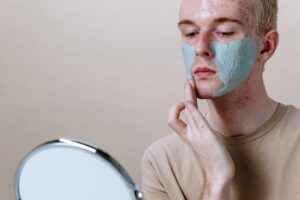
Subcision and PRP are combined because they work on different layers of acne scar damage. Subcision physically breaks up the fibrous tissue tethering scars down into the skin—the structural problem that creates those depressed marks. PRP then stimulates the body’s own healing response, promoting collagen remodeling and skin rebound in the weeks after the procedure. Together, they attack the problem from both angles: mechanical release plus biological repair. For example, a patient with atrophic boxcar scars might undergo subcision to detach the scar tissue, then receive PRP injections in the same session to jumpstart healing—significantly outperforming either treatment alone.
This combination approach has become standard in dermatology because it addresses why acne scars persist in the first place. Atrophic scars (the most common type) don’t just sit at the skin’s surface—they’re anchored deep in the dermis, pulling the skin inward. Subcision releases that anchor, but the newly freed area needs a healing signal. PRP provides that signal through platelet-derived growth factors, essentially telling the skin to rebuild rather than leave a hollow. The result is faster remodeling and better texture improvement than either procedure delivers independently.
Table of Contents
- What Makes Acne Scars Difficult to Treat Without Combination Therapy?
- How Does Subcision Release Scar Tissue and Why Does It Need Follow-Up?
- What Does PRP Contribute That Makes the Combination Work?
- How Should the Procedures Be Sequenced for Best Results?
- What Are the Risks and Limitations of Combined Subcision and PRP?
- Can This Combination Be Enhanced With Additional Treatments?
- The Future of Acne Scar Treatment: Where Is the Field Heading?
- Conclusion
What Makes Acne Scars Difficult to Treat Without Combination Therapy?
Acne scars are stubborn because they involve permanent changes to collagen structure. When severe acne lesions penetrate deep into the dermis, the body’s repair process doesn’t restore the tissue perfectly—it creates a net loss of collagen. The result is a depression, a tethering, or both. Unlike surface wrinkles or mild discoloration, these scars require active intervention because the skin alone won’t spontaneously regenerate the missing collagen. Single-treatment approaches have real limitations.
Laser resurfacing alone can improve texture but doesn’t release tethered scar tissue, so deep boxcar or rolling scars may look unchanged at their base. Microneedling stimulates collagen but works slowly and may not create enough trauma to break adhesions in severe scars. Fillers address depression temporarily but don’t rebuild the scar structure—the filler is absorbed within 6-18 months. subcision alone creates the space for new collagen but doesn’t guarantee the healing process will fill it optimally. This is why dermatologists moved toward combination protocols: to address the mechanical problem (tethering, adhesion) and the biological problem (collagen deficit) simultaneously.
How Does Subcision Release Scar Tissue and Why Does It Need Follow-Up?
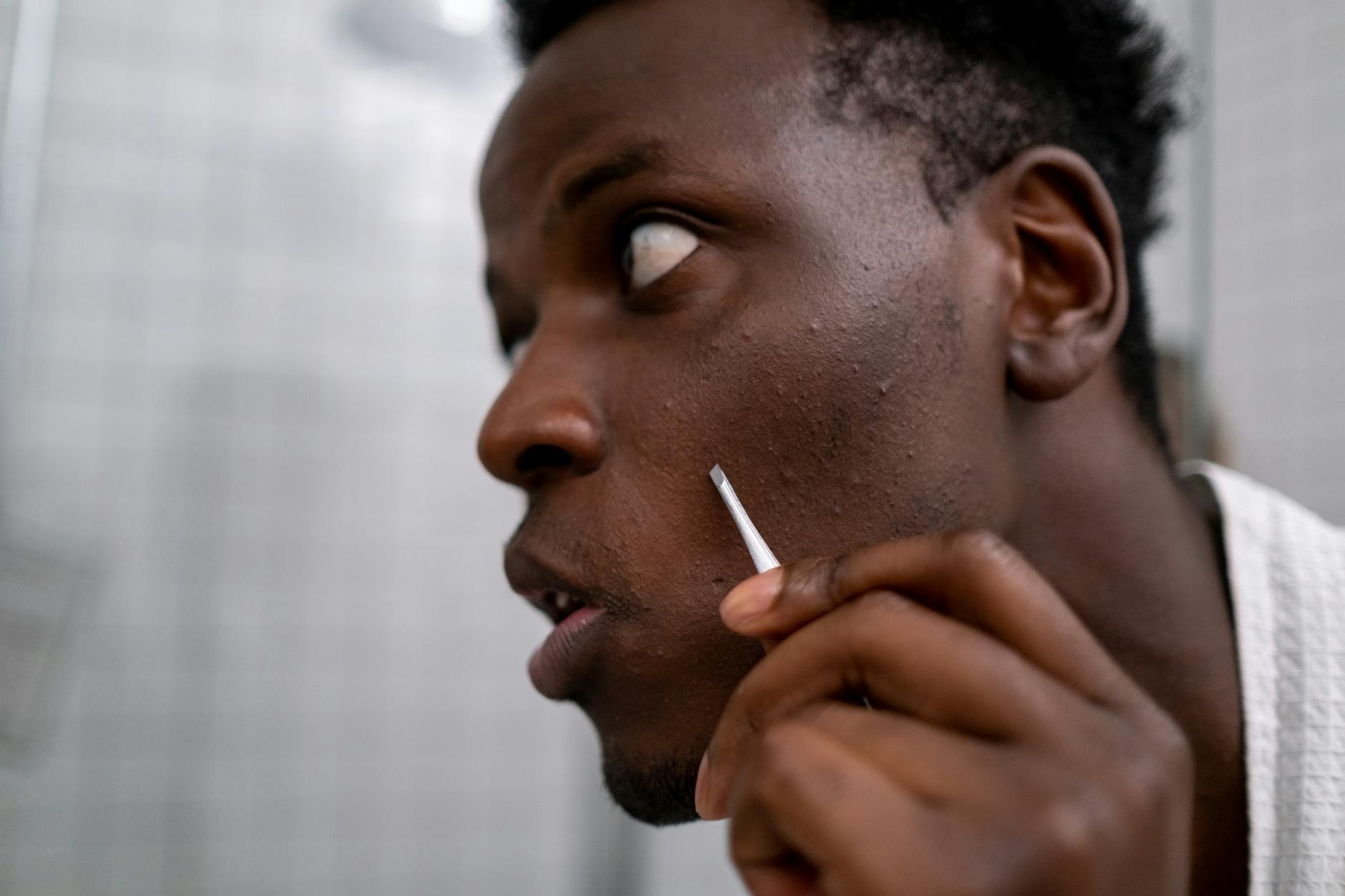
Subcision is a mechanical procedure. A special needle or blade is inserted under the scar, moving parallel to the skin surface to sever the fibrous strands anchoring the scar down. For a rolling scar—one that undulates across the skin—this separation can immediately improve appearance because the overlying skin is no longer tethered down and can settle into a flatter contour. The procedure creates controlled trauma: it breaks adhesions, triggers an inflammatory response, and leaves space beneath the scar for healing.
However, subcision alone has a significant limitation: it creates a healing void. After the procedure, the space under the scar must be filled, and the body’s default response is to fill it with scar tissue again—potentially recreating the problem. This is where PRP enters. Without a biological stimulus, the newly separated scar tissue may reattach, or the empty space may simply refill with fibroblasts laying down the same type of collagen that created the scar in the first place. PRP prevents this by flooding the treated area with growth factors (PDGF, TGF-β, VEGF) that signal high-quality collagen deposition and angiogenesis, directing the healing process toward healthy tissue rather than scar reformation.
What Does PRP Contribute That Makes the Combination Work?
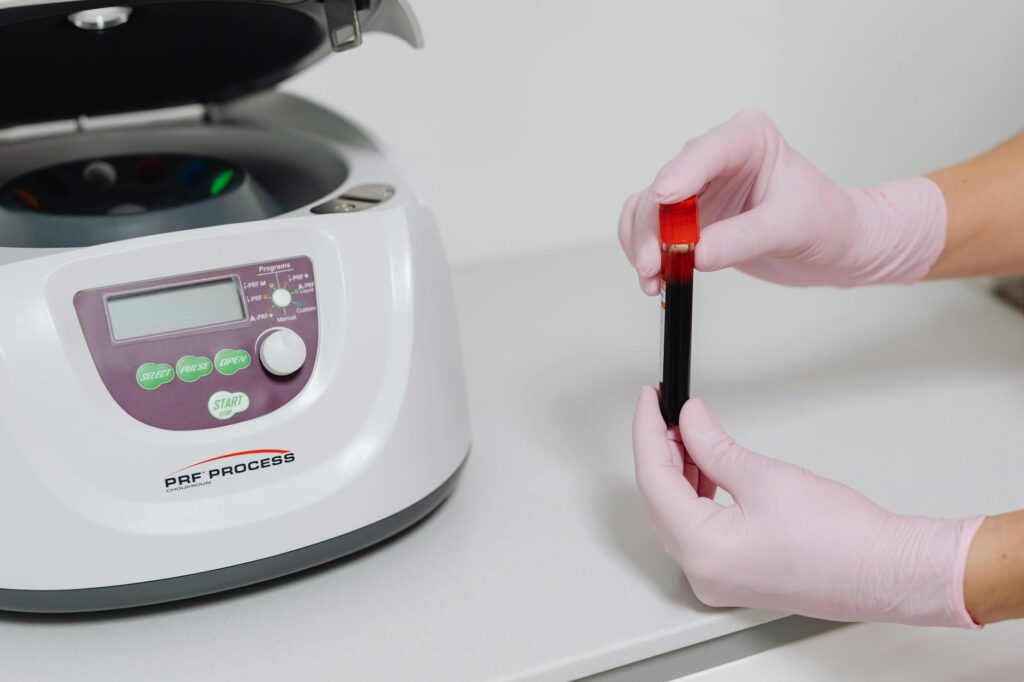
Platelet-rich plasma is derived from the patient’s own blood—centrifuged to concentrate platelets and growth factors. When injected into the scar or the zone created by subcision, PRP acts as a biological amplifier. The growth factors activate fibroblasts (collagen-producing cells) and endothelial cells (blood vessel-forming cells), essentially creating a more efficient and robust healing response than would occur naturally. The timing is critical.
PRP injected immediately after subcision reaches a tissue bed that has been freshly traumatized and is in an inflammatory phase. This is when the tissue is most receptive to growth factor signaling. Real-world results show that patients receiving subcision plus same-day PRP injection often see 50-70% scar improvement by six months, compared to 30-40% with subcision alone. PRP also reduces post-procedure inflammation in some cases, minimizing swelling and potentially shortening recovery time. The mechanism isn’t mysterious—it’s leveraging the body’s own repair machinery during the critical window when that machinery is already activated.

How Should the Procedures Be Sequenced for Best Results?
The standard approach is subcision first, then PRP injection in the same session. Dermatologists perform subcision to release the scar tissue, then use the injection channels created during subcision or make separate puncture points to deliver PRP into the freshly treated zone. This sequence ensures the PRP reaches the area of maximal disruption and inflammatory activity. Some practitioners modify this approach based on scar type and severity.
For very deep or tethered scars, multiple subcision passes may be needed before PRP injection, allowing more thorough adhesion release. Conversely, for milder rolling scars, a single pass of subcision followed by PRP may suffice. Patients typically need 2-3 sessions spaced 4-6 weeks apart to see cumulative results. Each session further releases adhesions, and the repeated PRP injections build a pattern of improved collagen organization. One important tradeoff: more aggressive subcision creates more trauma and swelling but may deliver better long-term results, whereas a gentler single pass minimizes downtime but may require more treatment cycles to achieve the same improvement.
What Are the Risks and Limitations of Combined Subcision and PRP?
No procedure is without risk. Subcision can cause bruising, swelling, and temporary induration (hardness) as the tissue heals. There’s a small risk of infection, hematoma (blood collection), or nerve irritation if the needle passes near sensory nerves. Because PRP contains the patient’s own platelets and plasma, allergic reactions are extremely rare, but infection at the injection site is possible if sterility is breached. A critical limitation is patient selection.
Subcision and PRP work best on atrophic (depressed) scars with clear adhesions—boxcar, rolling, and icepick scars that are tethered. They work poorly on hypertrophic scars (raised scars) or keloids, where the problem is excess collagen, not deficiency. Additionally, the procedures require realistic expectations. Even with optimal execution, severe scarring may see only 50-70% improvement rather than complete erasure. Patients with darker skin tones may experience post-inflammatory hyperpigmentation after the procedure, which can be mistaken for residual scarring and typically resolves over months. The cost—typically $1,500-$3,500 per session depending on geography and practitioner experience—may require multiple sessions, making it an investment.

Can This Combination Be Enhanced With Additional Treatments?
Yes, and many practices use a broader multimodal approach. After subcision and PRP have healed (usually 2-3 weeks post-treatment), additional therapies can be layered in. Laser resurfacing (CO2 or erbium) can improve surface texture and reduce the appearance of residual shallow scarring. Microneedling with radiofrequency can provide further collagen induction in the weeks following PRP.
Some dermatologists use post-treatment with topical vitamin C or retinoids to support collagen synthesis. An example of a comprehensive protocol might be: Month 1 (Subcision + PRP), Month 2-3 (healing period), Month 4 (Fractional CO2 laser), Month 5 (Microneedling with RF), Month 7 (Second round of Subcision + PRP if needed). This escalating approach allows each treatment to build on the previous one without overwhelming the skin’s healing capacity. However, this is not always necessary—many patients achieve satisfactory results with subcision and PRP alone repeated 2-3 times.
The Future of Acne Scar Treatment: Where Is the Field Heading?
The combination of mechanical disruption (subcision) and biological enhancement (PRP) represents the current gold standard, but research is pushing further. Emerging technologies include autologous fat transfer combined with subcision and PRP, stem cell-derived therapies, and engineered scaffolds that provide structural support while growth factors regenerate tissue. Some researchers are exploring whether microvesicles derived from stem cells might replace PRP with even greater efficacy, though these are still largely experimental.
What’s becoming clear is that effective scar treatment requires addressing structure, healing biology, and collagen remodeling—the reason single-modality approaches have plateaued. As newer techniques emerge, the principle will remain: disrupting the scar architecture and then directing the repair process toward optimal tissue regeneration. For now, subcision plus PRP represents a proven, accessible middle ground between minimally invasive procedures and surgical grafting approaches.
Conclusion
Subcision and PRP are combined because they solve two distinct problems simultaneously: subcision releases the fibrous tissue anchoring scars down into the skin, while PRP provides the biological signal for high-quality collagen regeneration. Together, they achieve significantly better results than either procedure alone—typically 50-70% scar improvement over 3-4 months—by attacking both the mechanical and biological causes of atrophic scarring.
For patients with moderate to severe acne scarring, this combination represents a practical, evidence-based option that requires minimal downtime and carries low risk. Results appear gradually over months as collagen remodels, and most patients benefit from 2-3 treatment cycles spaced 4-6 weeks apart. Realistic expectations, proper patient selection, and an experienced dermatologist are essential to achieving the best outcomes.