
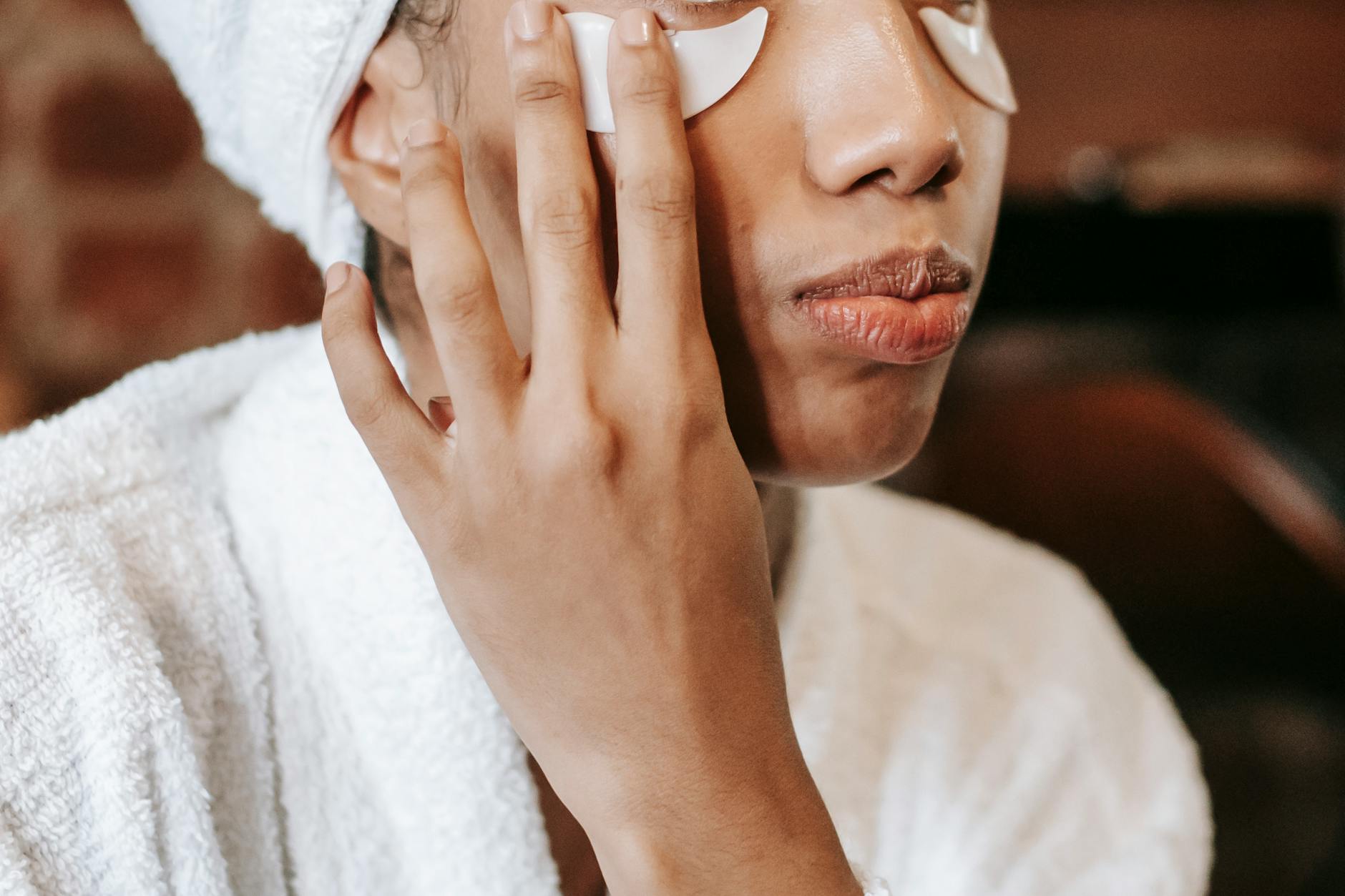
Patch testing before a chemical peel is not optional—it’s the safety checkpoint that stands between healthy skin and a preventable adverse reaction. Even if you’ve used a particular peel solution before, skipping this step when trying a new concentration or product increases your risk of complications. For example, if you tolerated a 20% salicylic acid peel without issues, moving to a 30% concentration without patch testing first could trigger unexpected sensitivity, inflammation, or delayed hypersensitivity reactions that wouldn’t surface until days after treatment. Patch testing takes just seven to ten days but prevents problems that could sideline your skin for weeks.
This article covers what patch testing actually involves, why the science demands it, how chemical peels effectively treat acne, and how to execute a safe treatment plan from start to finish. Chemical peels have strong clinical evidence supporting their use for acne, but that efficacy only translates to good outcomes when safety protocols are followed. Dermatologists recommend this pre-treatment step because it reveals how your individual skin will respond before you commit to a full-face procedure. The difference between knowing you’ll tolerate a peel and discovering a problem mid-treatment can mean the difference between clear skin and complications.
Table of Contents
- How Does Patch Testing Work Before Your Chemical Peel?
- Understanding Why Skipping Patch Testing Carries Real Risk
- Why Chemical Peels Are Clinically Proven Effective for Acne
- The Step-by-Step Patch Testing Protocol You Should Follow
- What Reactions Are Normal and When to Worry
- When You Must Patch Test Again
- Building a Complete and Safe Chemical Peel Treatment Plan
- Conclusion
How Does Patch Testing Work Before Your Chemical Peel?
Patch testing follows a straightforward procedure designed to expose your skin to the peel solution under controlled conditions. A dermatologist or licensed professional applies approximately one inch of solution to a discrete area—typically just below the ear along the jawline—using a Q-tip or makeup brush after cleansing and priming the skin. This small, hidden location serves a purpose: if a reaction does occur, it remains inconspicuous while you monitor the results. The solution is left on for the same duration it would be during a full peel treatment, then removed and neutralized according to the product protocol. The observation period lasts seven to ten days. During this window, your skin reveals whether it will develop immediate reactions like redness or swelling, or delayed hypersensitivity reactions that emerge over several days.
This timeframe is critical—some adverse responses don’t appear immediately. Many people expect results in 24 hours and assume they’re safe to proceed, only to develop problems several days later when the full peel has been applied. The seven to ten day window catches these delayed reactions, preventing what could become a widespread problem across your entire face. Patch testing is not just recommended for new products—it’s required when the concentration of a peel changes, even if you’ve used that product before at a lower strength. Moving from a 10% glycolic acid to 20%, or from 15% salicylic acid to 25%, constitutes a different treatment in terms of skin impact. Higher concentrations penetrate deeper and increase the risk of adverse events proportionally. Skipping this step when concentration increases is one of the most common reasons preventable complications occur.

Understanding Why Skipping Patch Testing Carries Real Risk
The clinical data on chemical peel safety is reassuring overall—nearly all patients tolerate procedures well, and the incidence of major adverse events is very low and easily manageable with proper treatment. However, this positive safety profile depends on proper patient selection and precautions. Patch testing is one of those critical precautions. Without it, you lose the information needed to make an informed decision about whether you’re in that “nearly all patients” category or in a smaller subset at higher risk. Some adverse reactions are minor and temporary—erythema (redness), edema (swelling), and post-inflammatory hyperpigmentation that gradually fade with proper care. However, other complications can be more severe and long-lasting.
Risk factors that increase the likelihood of problems include deeper peel depths, darker skin types, certain peeling agents, and sun exposure. If you fall into a higher-risk category, patch testing reveals this before a full-face treatment. For someone with darker skin considering a stronger peel, for instance, patch testing might show a tendency toward hyperpigmentation that could be managed with different treatment depth, lower concentration, or a different agent altogether. The prevention strategy recommended by dermatologists emphasizes proper patient selection, adequate skin priming, thorough patient counseling, and careful pre- and post-peel care. Patch testing feeds directly into the patient selection phase—it helps determine whether you’re a good candidate for the peel you’re considering. This seems obvious in hindsight, but it’s easy to skip when you’re eager to begin treatment.
Why Chemical Peels Are Clinically Proven Effective for Acne
Superficial chemical peels penetrate only the epidermis (the outermost layer of skin) and have demonstrated excellent efficacy for acne vulgaris. The mechanism works through controlled injury that prompts skin renewal and helps clear pores clogged with bacteria and sebum. Superficial peels using agents like glycolic acid or salicylic acid are particularly suited to acne treatment because they’re gentle enough for regular use while still producing meaningful results. The clinical evidence is strong—dermatological literature documents that superficial peels provide excellent outcomes for acne patients, often with sustained improvement after a series of treatments.
Some acne sufferers see improvement after a single peel, while others benefit from a series administered every two to four weeks. The depth matters significantly: you don’t need a deep peel to treat acne effectively. Medium and deep peels carry higher risks and longer recovery times without necessarily providing better acne outcomes than well-selected superficial peels. This is why superficial peels remain the standard recommendation for acne—they deliver results with manageable risk profiles, assuming you’ve done your patch testing and cleared the way for safe treatment.
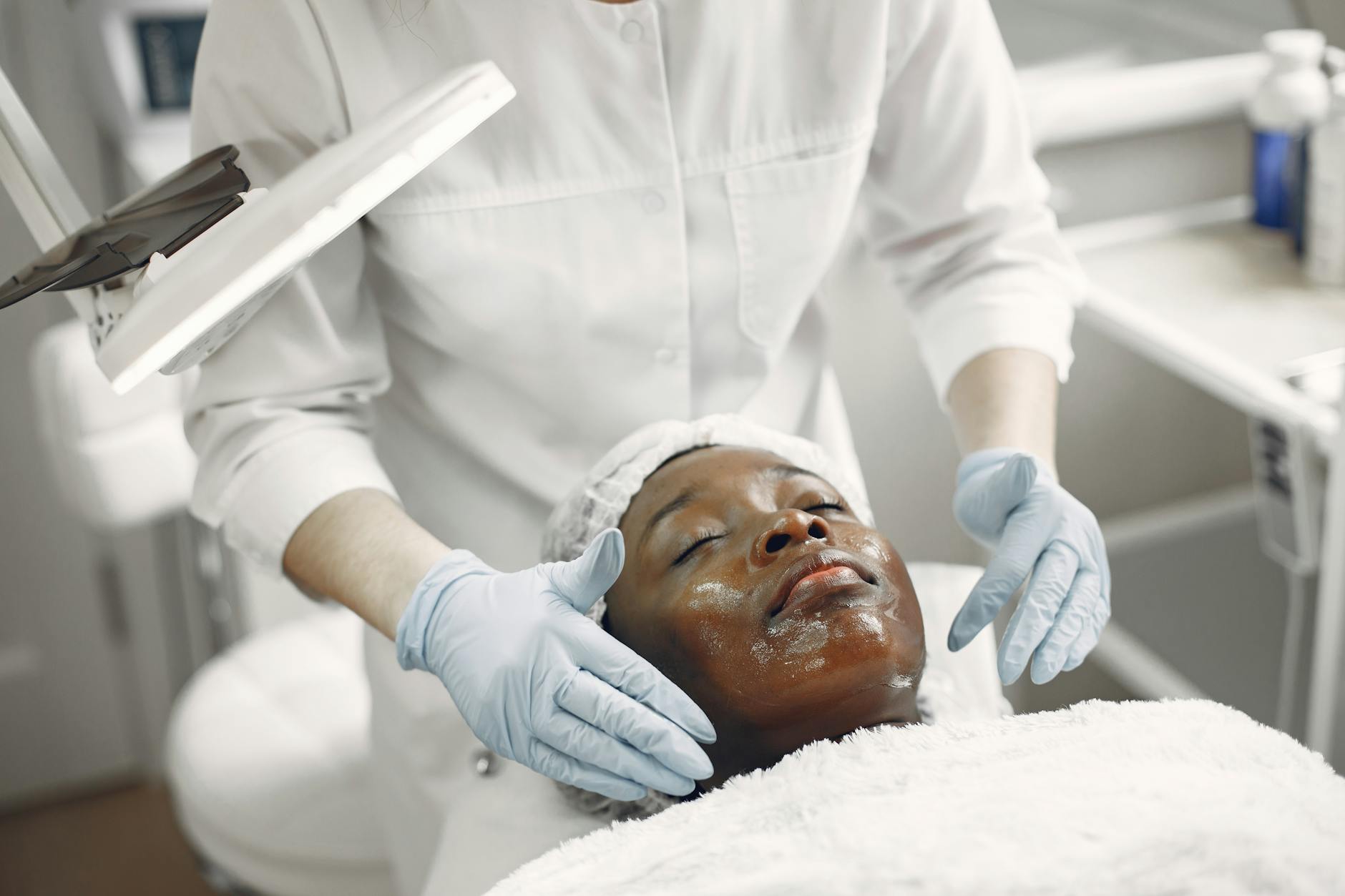
The Step-by-Step Patch Testing Protocol You Should Follow
Before you even do the patch test, your skin needs proper preparation. Cleanse the testing area thoroughly and allow it to dry completely. Some providers recommend lightly priming the area (similar to how the skin would be prepped for a full peel), since the patch test should mimic your actual treatment conditions as closely as possible. Apply approximately one inch of the peel solution to the area below your ear or in another discrete location where redness or irritation would be invisible to others. Use consistent application—a Q-tip or makeup brush—to mimic how the full peel will be applied. Leave the solution on for the exact duration specified by the product instructions. If your actual peel will be a 10-minute application, your patch test should be 10 minutes. If it’s 15 minutes, match that timing. Timing discrepancies mean your patch test doesn’t accurately predict your reaction.
When the time is up, neutralize and remove the solution according to product directions. Some peels require a specific neutralizer; others can be removed with water or a gentle cleanser. Follow the exact post-application care instructions you’ll use after your full peel—this should include moisturizer, sunscreen if appropriate, and any other products or restrictions recommended. Now comes the hardest part for many people: waiting and observing without intervening. Keep the area clean and follow all post-peel care instructions exactly. Check the area daily for any signs of reaction—redness, swelling, itching, tenderness, or changes in skin texture. Take photos if helpful to document any changes. Most people experience mild redness that fades, but some might notice swelling, sensitivity, or changes appearing days into the observation period. These observations guide whether you proceed with a full peel, adjust the concentration, or choose a different treatment entirely.
What Reactions Are Normal and When to Worry
Transient reactions are expected after a chemical peel—your skin has been intentionally injured to prompt renewal. Mild to moderate erythema (redness) is normal and usually fades within hours to a day or two. Some swelling is also common. Post-inflammatory hyperpigmentation can occur, especially in people with darker skin, but this typically gradually resolves over weeks to months with sun protection and appropriate skincare. These are manageable outcomes that don’t represent a problem with the treatment choice. However, if your patch test reveals unexpected sensitivity, severe swelling, blistering, persistent itching, or signs of allergic reaction, these signal that the full peel isn’t appropriate for you right now. This is valuable information—it tells you that you need to adjust your approach.
Perhaps a lower concentration would work better. Perhaps a different peeling agent would suit your skin. Perhaps additional skin conditioning before treatment would help. A negative patch test isn’t a failure; it’s data that prevents a bigger problem. Sun exposure dramatically increases complications from chemical peels. During the observation period and after any peel, strict sun avoidance and high-SPF sunscreen use are non-negotiable. If you cannot commit to sun protection during the healing period, the timing isn’t right for treatment. Complications increase with sun exposure partly because UV damage exacerbates post-peel reactions and partly because sun exposure during the healing phase can trigger or worsen hyperpigmentation.

When You Must Patch Test Again
A question many patients ask: if I patch tested a peel before and tolerated it well, do I need to patch test again before my next treatment? The answer is yes—specifically when the concentration or strength of the peel increases. Using the same 20% salicylic acid peel you tested before requires no new patch test if applied in exactly the same way. But moving to 25% concentration demands a new patch test, even though you’ve used that product line before.
Your skin also changes over time. Seasonal factors, hormonal cycles, medications, skincare routines, and sun exposure all influence how your skin will respond. A new patch test before each significant treatment—or at minimum before any concentration increase—confirms that your skin remains tolerant of the planned treatment. This small investment of time protects against preventable complications.
Building a Complete and Safe Chemical Peel Treatment Plan
Patch testing is the foundation, but a comprehensive treatment plan extends beyond that single step. It includes pre-peel skin preparation, selection of the appropriate peel depth and concentration, realistic expectations about results and recovery, and thorough post-peel care protocols. A dermatologist or licensed esthetician reviews your acne severity, skin type, skin tone, any history of sensitivity, medications you’re taking, and your sun exposure habits to determine whether you’re a good candidate for chemical peels and which approach suits you best.
The future of acne treatment increasingly recognizes that no single approach works for everyone. Chemical peels work exceptionally well for many acne patients, particularly those with comedonal acne or superficial inflammatory acne. They pair effectively with other treatments like oral or topical medications, extractions, or other professional procedures. Your provider will help you understand how chemical peels fit into your overall acne management plan and when repeat treatments make sense.
Conclusion
Patch testing before a chemical peel is not a bureaucratic hurdle—it’s the single most important safety measure that determines whether a peel becomes a beneficial treatment or a source of regret. Seven to ten days of observation prevents complications that could take weeks or months to resolve. The clinical evidence clearly supports chemical peels as effective acne treatment, but that efficacy only translates to good outcomes when proper safety protocols are followed. Dermatologists and experienced providers recommend patch testing for every peel, especially when concentration changes, because the data unambiguously shows that complications are best prevented through proper patient selection and precautions rather than managed after they occur.
Your next step is scheduling a consultation with a board-certified dermatologist or licensed esthetician experienced in chemical peels. Bring any existing skin concerns, medications, and a realistic assessment of your ability to follow post-peel care and sun protection instructions. They’ll help determine whether chemical peels make sense for your acne and, if so, design a patch testing protocol and treatment plan tailored to your specific skin. Then do the patch test, observe carefully, and move forward informed and prepared.