
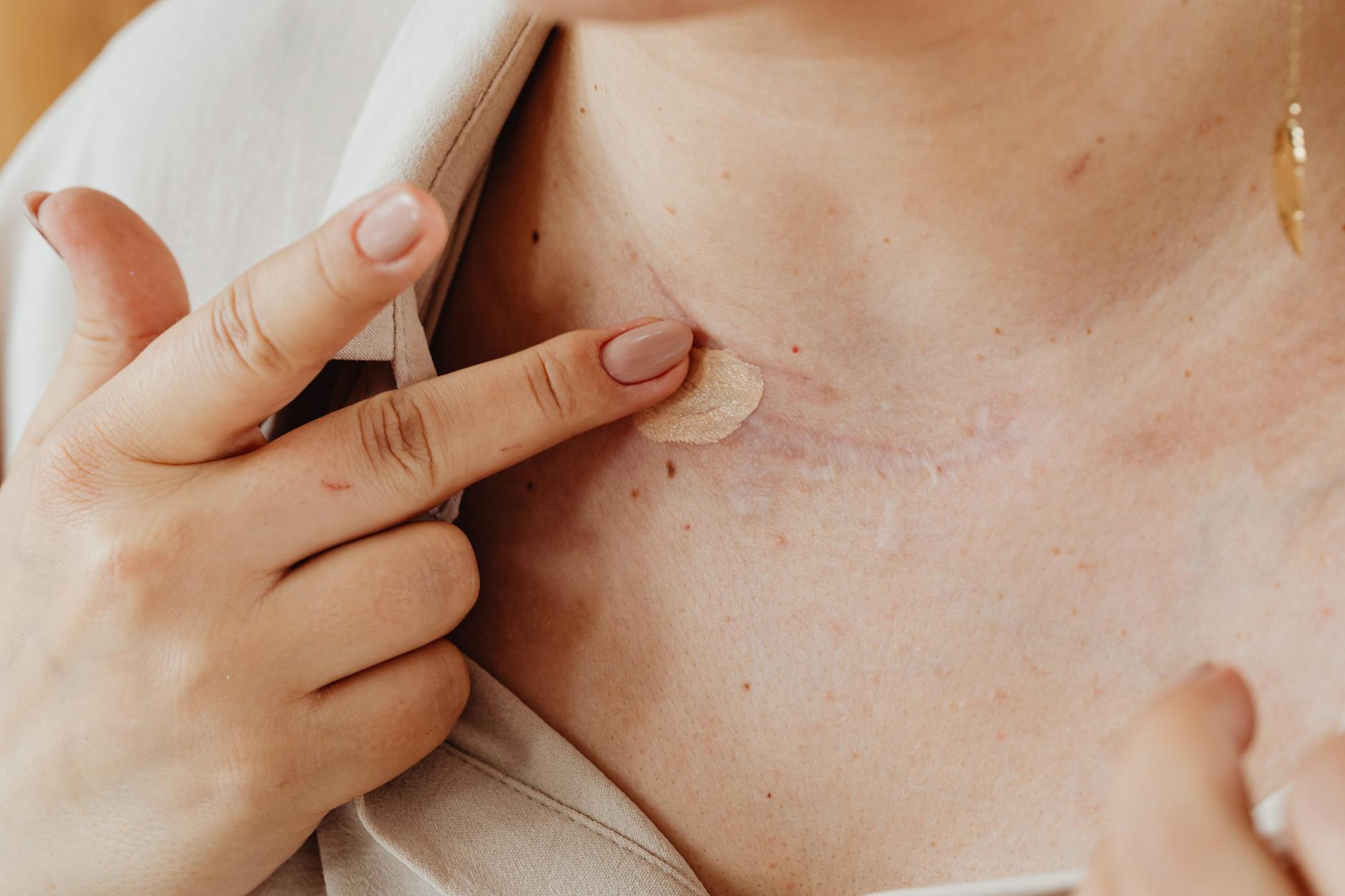
After microneedling for acne scars, the most critical things to avoid are sun exposure, strenuous exercise, and aggressive skincare products for at least 24-48 hours—and in some cases, much longer. Your skin has just experienced controlled micro-injuries to stimulate collagen production, which means your barrier is compromised and your skin is extremely vulnerable to infection, irritation, and hyperpigmentation. For example, if you microneedle on a Monday and then go to the gym Wednesday without proper sun protection, UV damage can trigger post-inflammatory hyperpigmentation that lingers for months, actually making your scar appearance worse instead of better.
This article covers the specific products, activities, and habits that can sabotage your results, the timeline for when you can safely resume normal routines, and how to recognize signs that you’ve irritated your skin post-treatment. The recovery period after microneedling is not just about comfort—it directly determines whether you’ll see clear improvements in your acne scars or end up with new problems like infection, texture changes, or dark spots. Many people underestimate how sensitive their skin becomes after the procedure, assuming that because they feel fine, they can return to their normal routine. This is a common mistake that undermines the treatment’s effectiveness.
Table of Contents
- Why Does Sun Exposure Cause the Most Damage After Microneedling?
- The Problem With Active Skincare Ingredients and Why Timing Matters
- Why Sweating and Exercise Compromise Your Results
- Why You Cannot Apply Makeup (And Certain Moisturizers Are Also Risky)
- Common Hidden Risks That Many People Overlook
- Managing Expectations Around Redness and Irritation Signs
- Planning Your Microneedling Schedule Around Life Events
- Conclusion
- Frequently Asked Questions
Why Does Sun Exposure Cause the Most Damage After Microneedling?
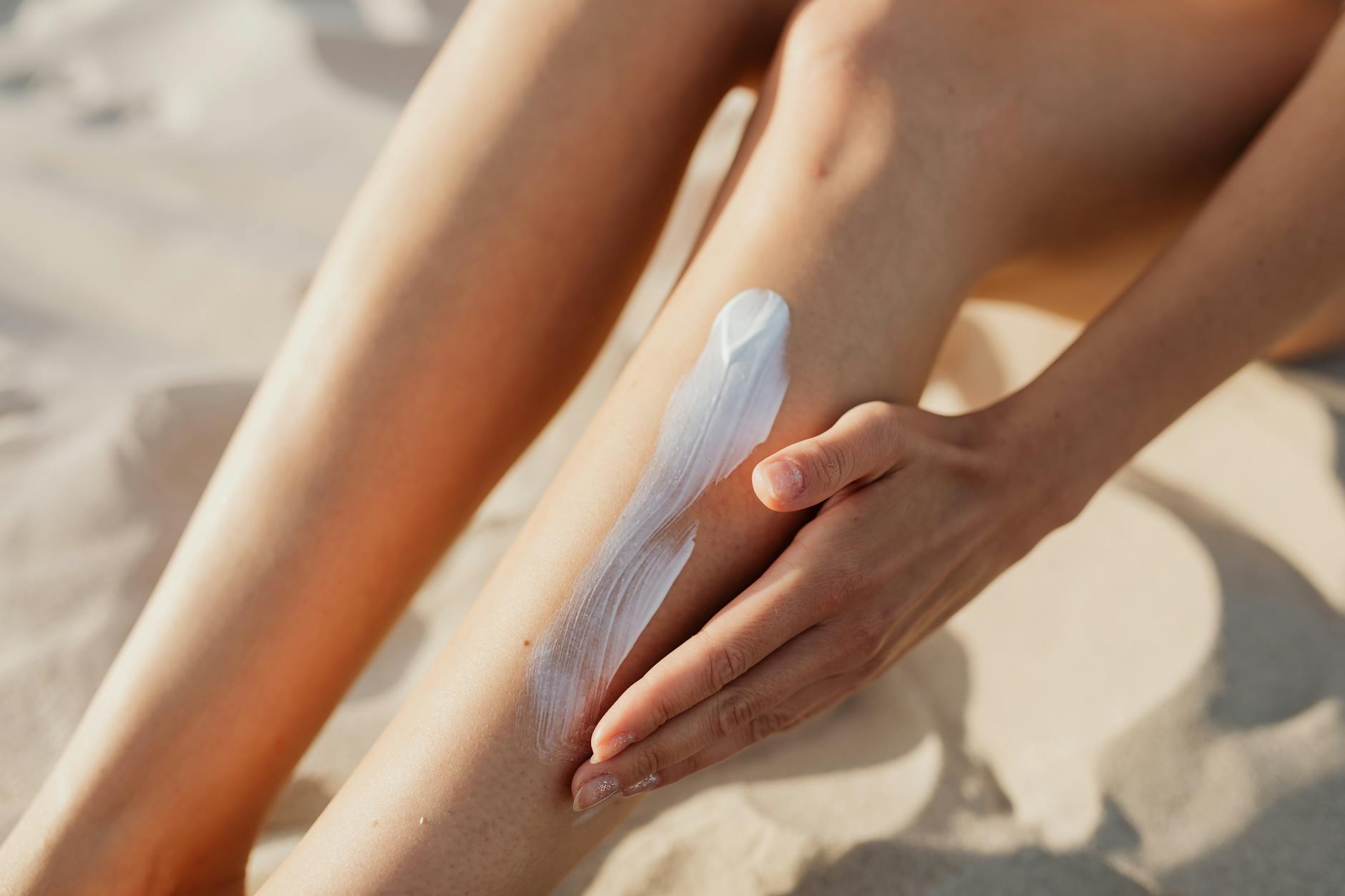
UV damage after microneedling is particularly dangerous because your skin has no intact barrier to defend against it. The thousands of micro-channels created during treatment temporarily increase your skin’s permeability, meaning UV rays penetrate deeper than they normally would. More importantly, sun exposure triggers melanin production in already-irritated skin, leading to post-inflammatory hyperpigmentation—dark marks that appear where your acne scars were.
For someone treating depressed acne scars with microneedling, watching new dark spots appear in those exact locations defeats the purpose of the treatment. You need rigorous sun protection starting immediately after treatment and continuing for at least 4-6 weeks, though some dermatologists recommend sun avoidance for the first 2 weeks entirely. If you cannot avoid the sun completely during this window, use broad-spectrum SPF 50+ daily, reapply every 2 hours if you’re outside, and consider physical blockers like hats or sun-protective clothing. The challenge is that many sunscreens contain zinc oxide or titanium dioxide that can feel heavy on freshly-treated, potentially peeling skin, so you may need to test different formulations beforehand.
The Problem With Active Skincare Ingredients and Why Timing Matters
After microneedling, your skin is essentially an open wound at the microscopic level, which means that products containing retinoids, alpha-hydroxy acids (AHAs), beta-hydroxy acids (BHAs), vitamin C, niacinamide, and benzoyl peroxide should be paused entirely for at least 1-2 weeks. These ingredients accelerate cell turnover or have antimicrobial properties that are usually beneficial, but on freshly-microneedled skin, they cause excessive irritation, redness, and sometimes chemical burns. Many people assume that because these are “active” ingredients, using them might speed up the collagen-building process—but the opposite is true.
They interfere with the healing cascade that microneedling initiates. However, if you’re someone who typically uses a retinoid nightly for other skin concerns like texture or breakouts, stopping cold turkey can sometimes trigger a rebound surge in acne. In this case, work with your dermatologist beforehand to create a transition plan: you might stop retinoids 3-5 days before your appointment instead of immediately, or resume them at a lower frequency (every other night instead of nightly) after the initial 2-week healing window. The key is planning ahead rather than making this decision in the moment.
Why Sweating and Exercise Compromise Your Results
Sweating after microneedling creates a perfect storm for complications. Your open micro-channels can absorb bacteria and sweat, increasing infection risk, while the heat from exercise increases blood flow and inflammation—extending your recovery redness and potentially triggering more post-inflammatory hyperpigmentation. Additionally, sweat can irritate the healing skin and trap bacteria against the treated area if you’re wearing tight clothing or equipment like gym headbands. People who microneedle on a Friday and then do an intense cardio class on Saturday often find that their skin takes twice as long to heal as expected.
The general recommendation is to avoid strenuous exercise for 24-48 hours post-treatment, depending on the microneedling depth. For RF microneedling or deeper treatments, many dermatologists suggest waiting a full week. If you’re highly active and cannot tolerate this pause, low-intensity activities like walking or gentle yoga are acceptable as long as you’re not sweating. When you do return to exercise, wear breathable, loose clothing that doesn’t create friction on the treated areas.
Why You Cannot Apply Makeup (And Certain Moisturizers Are Also Risky)
Makeup is a significant infection risk after microneedling because makeup brushes, sponges, and products can introduce bacteria directly into those open micro-channels. Even “clean” makeup and freshly-washed brushes carry microorganisms that are harmless on intact skin but problematic on treated skin. Additionally, makeup traps heat and sweat against your face, worsening inflammation. Most dermatologists recommend waiting at least 24 hours before applying any makeup, and some suggest waiting 48 hours for deeper treatments.
The same principle applies to certain moisturizers and serums. Heavy, occlusive products with fragrance, essential oils, or comedogenic ingredients should be avoided. Instead, use only gentle, fragrance-free, hydrating products recommended by your dermatologist—typically something like hyaluronic acid serum, a lightweight ceramide moisturizer, or a medical-grade moisturizer. A comparison: applying your regular heavy moisturizer after microneedling is like sealing bacteria and irritants into your skin, whereas using a lightweight, clean formulation allows your skin to breathe while healing. Ask your provider specifically which products they recommend for the post-treatment period, rather than guessing.
Common Hidden Risks That Many People Overlook
One frequently overlooked risk is touching your face or picking at any flaking skin that develops during healing. While peeling is a normal part of recovery, manually picking or over-exfoliating can cause scarring, infection, or hyperpigmentation. Your skin will naturally shed the damaged outer layers over 3-7 days—let it happen on its own. If you have a texture-picking habit, wearing gloves or keeping your hands occupied after treatment can help break the pattern.
Another hidden risk is swimming, hot tubs, and prolonged water exposure. Chlorine, salt water, and hot water can irritate healing skin and introduce bacteria. Avoid swimming pools, oceans, and hot tubs for at least 7-10 days post-treatment. Brief showers in lukewarm water are fine, but long soaks or exposure to chemically-treated water should be avoided. Some people also don’t realize that saunas, steam rooms, and sitting near heat sources (like radiators) can trigger increased inflammation and redness, so minimize heat exposure for the first week.

Managing Expectations Around Redness and Irritation Signs
It’s normal to have redness, mild swelling, and slight tenderness for 24-48 hours after microneedling, especially deeper treatments. However, excessive redness that lasts beyond 3-4 days, severe pain, signs of infection (warmth, pus, fever), or blistering suggests that something has gone wrong—often because you’ve irritated the skin with a product or activity. If you notice these signs, stop all active skincare immediately, use only water and a gentle cleanser, apply a soothing balm, and contact your dermatologist.
Catching over-irritation early prevents it from derailing your results. Some people develop a mild, temporary acne flare in the days after microneedling because the treatment brings everything to the surface. This is different from an infection and typically resolves within a week. Resist the urge to treat this flare with acne medications or aggressive cleansing—just let it pass while maintaining gentle skincare and sun protection.
Planning Your Microneedling Schedule Around Life Events
Timing your microneedling appointments strategically matters more than people realize. Schedule your treatment when you can realistically avoid intense sun exposure, strenuous activity, and social events requiring makeup for at least a week. For important events (weddings, presentations, photos), microneedle at least 2-3 weeks beforehand so your skin has healed and any redness has resolved.
Some people try to rush results by scheduling multiple treatments close together—but aggressive scheduling actually increases the risk of complications and may damage your skin barrier rather than strengthen it. Most dermatologists recommend spacing microneedling treatments 4-6 weeks apart to allow adequate healing and collagen remodeling between sessions. Your skin continues to improve for up to 3-6 months after a single treatment, so patience is essential. Treating your skin harshly in the post-procedure window doesn’t accelerate results—it only increases complications.
Conclusion
The success of microneedling for acne scars depends almost entirely on what you avoid during the critical first 1-2 weeks of healing. Sun exposure, active skincare ingredients, strenuous exercise, makeup, and heat are the primary culprits that sabotage results, but the underlying principle is simple: your skin is healing, so avoid anything that irritates it, introduces bacteria, or interferes with the collagen-building process.
Plan your microneedling appointment strategically so you can actually follow these guidelines without feeling deprived, and get specific post-care instructions from your provider rather than assuming generic recovery advice applies to your treatment. The good news is that this recovery period is temporary, and the results—smoother, more even-textured skin with less visible acne scarring—are worth the short-term inconvenience. Most people find that once they get through the first week, resuming their normal routine feels easy, and by week 3-4, they’re seeing visible improvements in their skin texture.
Frequently Asked Questions
Can I wear sunscreen if I just had microneedling, or is SPF too irritating?
Sunscreen is not optional—it’s essential. Use a mineral (physical) sunscreen if your skin is very reactive, or a gentle chemical sunscreen if you tolerate it. Skipping SPF is far more damaging than the minimal irritation from a good sunscreen. Reapply every 2 hours if you’re outside.
How long do I need to avoid makeup after microneedling?
Minimum 24 hours, but 48 hours is safer. Your dermatologist may recommend waiting longer depending on treatment depth. Use mineral makeup only when you do resume, and avoid heavy foundations for at least a week.
Is it okay to use my retinoid serum if I wait 2 weeks after microneedling?
Ask your dermatologist, but most recommend waiting 3-4 weeks before resuming retinoids, especially if you use them daily. Start slowly (every other night) when you do resume.
What if I get a pimple after microneedling—can I use benzoyl peroxide?
Not immediately. Wait at least 2 weeks before using acne medications. If pimples appear, just use your gentle cleanser and moisturizer; they typically resolve on their own within a few days.
Can I wash my face after microneedling?
Yes, but gently. Use lukewarm water and a gentle, fragrance-free cleanser. Avoid any scrubbing, washcloths, or exfoliating tools. Pat dry with a clean towel, don’t rub.
How much redness is normal after microneedling?
Mild redness for 24-48 hours is expected. If redness lasts beyond 3-4 days or is accompanied by warmth, pus, or blistering, contact your dermatologist immediately.