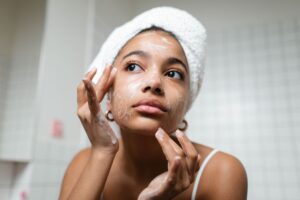
Yes, new acne skincare lines are specifically targeting everyday use, and they’re designed with one clear purpose: to deliver acne-fighting ingredients in gentle formulations that won’t irritate or strip your skin during daily routines. Rather than relying solely on harsh spot treatments or weekly intensive products, brands are now launching full six-product systems and multi-step collections that you use morning and night without worrying about compromised skin barrier function. Neutrogena’s Evenly Clear™ collection, which launched in February 2026 in partnership with dermatologists, represents this shift perfectly with products like a 2% salicylic acid cleanser and a 0.5% salicylic acid moisturizer designed for regular use.
This article covers why the market is exploding with these products, what makes everyday-use acne lines different from traditional treatments, and which launches are worth your attention in 2026. The timing makes sense: the U.S. acne treatment market reached $1.7 billion in 2025 with a 5% year-over-year increase, and Google searches for “acne treatment” grew 19% to 424,000 average monthly searches. Brands recognize that acne isn’t just a teenage problem anymore, and consumers want products they can use daily without the extreme drying or peeling associated with stronger prescriptions or clinical treatments.
Table of Contents
- Why Brands Are Launching Everyday-Use Acne Lines Now
- The Science Behind Gentler Daily Acne Formulations
- Major Product Launches Defining the Everyday-Use Category
- Ingredient Innovation Trends Shaping 2026 Acne Products
- Navigating the New Market: Which Products Are Right for You
- The Barrier-Support Movement in Acne Care
- The Future of Acne Skincare and the Everyday-Use Boom
- Conclusion
Why Brands Are Launching Everyday-Use Acne Lines Now
The acne skincare market has fundamentally shifted away from the “nuclear option” approach—harsh benzoyl peroxide or tretinoin-level treatments that work fast but leave skin compromised—toward sustainable, daily-use products that manage acne without creating new problems. This shift reflects decades of dermatological research showing that consistent, gentle treatment often outperforms sporadic aggressive intervention. Brands are betting that an adult consumer with mild-to-moderate acne would rather use a balanced, tolerable product twice daily than rotate between heavy hitters and recovery moisturizers.
The data supports this approach: searches for acne treatment grew 19% in 2025 alone, indicating sustained demand beyond seasonal breakouts. Moreover, the market expansion to $1.7 billion suggests consumers are willing to invest in acne care as a daily skincare category, not just a problem-solving emergency purchase. However, if you have severe cystic acne or hormone-driven breakouts, everyday-use products alone may not be sufficient—you may still need prescription-strength treatments or professional intervention alongside these products.

The Science Behind Gentler Daily Acne Formulations
The key difference between everyday-use acne products and traditional treatments is concentration and complementary ingredients. Most everyday-use lines use lower doses of active ingredients—like Neutrogena’s 0.5% salicylic acid in the moisturizer rather than the traditional 2% spot-treatment strength—combined with soothing and barrier-supporting components. This approach reduces irritation and allows you to layer products without the sandpaper texture or raw feeling that comes from daily high-strength acne treatments.
Many 2026 launches are incorporating postbiotic therapies, microbiome-supportive ingredients, and AI-personalized skincare systems to target root causes rather than just surface symptoms. For example, Reale Actives (launching March 31, 2026 with celebrity involvement and priced $28–$39 per product) includes a mandelic acid serum and barrier-boosting moisturizer in its four-product collection—reflecting the trend toward gentler hydroxy acids combined with recovery-focused moisturizers. However, the downside of lower-strength formulations is that they work more slowly; if you have active pustules or cysts, you may not see significant improvement within days like you would with prescription tretinoin or high-dose benzoyl peroxide.
Major Product Launches Defining the Everyday-Use Category
Neutrogena’s Evelyn Clear™ line represents the dermatologist-approved flagship of this movement. The collection includes a cleanser with 2% salicylic acid (for exfoliating during cleansing) and a moisturizer with 0.5% salicylic acid (for maintenance throughout the day), alongside other supporting products. The brand partnered with dermatologists during development and launched with actress Joey King as the campaign face, signaling that this is positioned as a sophisticated, science-backed solution rather than teen acne treatment.
Alix Earle’s new Reale Actives brand represents another wave: celebrity-founded, direct-to-consumer acne-focused lines created by people who’ve publicly discussed their acne journeys. The March 31, 2026 launch includes a makeup-cleansing balm, exfoliating gel cleanser, mandelic acid serum, and barrier-boosting moisturizer. This multi-step approach emphasizes that everyday-use acne treatment isn’t one-product-fits-all but rather a coordinated system. Both launches reflect the market’s recognition that acne is a lifestyle-integrated concern requiring routine daily support, not occasional treatment applications.
Ingredient Innovation Trends Shaping 2026 Acne Products
Beyond traditional salicylic acid and benzoyl peroxide, 2026 acne skincare is embracing several new ingredient categories. Reduced-irritation retinol systems (gentler versions of tretinoin designed for daily use), postbiotic therapies (fermented ingredients that support skin barrier), and DIM supplements (taken internally for hormone-driven acne) represent the move toward comprehensive, multi-angle treatment. AI-personalized skincare systems are also emerging, allowing brands to customize formulations or recommendations based on your specific acne type, skin sensitivity, and response patterns.
Timeline Skincare’s Mito-Biotic Resurfacing Exfoliator exemplifies the new ingredient sophistication: it combines salicylic, lactic, and mandelic acids in a single product, balancing different hydroxy acid mechanisms for gentler yet effective exfoliation. Murad’s Superactive Mattifying Oil + Pore Control Moisturizer SPF 50 shows how everyday-use acne products now integrate sun protection and oil control—necessary for acne-prone skin during daily life. If you’re sensitive to multiple active ingredients, however, multi-acid products may be too much, and you’d be better off rotating between gentler single-acid products or choosing more minimal formulas.
Navigating the New Market: Which Products Are Right for You
With dozens of new everyday-use acne lines launching, the critical distinction is your acne type and skin sensitivity. Inflammatory acne (red, pustular) responds well to salicylic acid and niacinamide-based everyday products like Byoma’s Blemish Acne Control Moisturizer or Neutrogena’s Evenly Clear line. Non-inflammatory acne (blackheads, congestion) may respond better to gentler exfoliating acids or mandelic acid, which is milder than salicylic acid but still effective for surface clogging.
Hormonal acne—deeply seated, recurring in the same areas—may require DIM supplements or postbiotic-supporting moisturizers combined with topical treatment, or prescription options if everyday products don’t suffice after 8–12 weeks. Price positioning varies widely: Reale Actives is priced $28–$39 per product (mid-range), while Neutrogena Evenly Clear positions itself as accessible drugstore skincare, and premium brands like Murad or Timeline occupy the $40–$60+ range. A practical comparison: if you have mild breakouts and sensitive skin, a single-product approach like Byoma’s moisturizer ($30–$40) may be sufficient and less likely to irritate. If you have moderate, multi-step breakouts, a coordinated system like Neutrogena’s six-product collection or Reale Actives’ four-step approach gives you more targeted options.

The Barrier-Support Movement in Acne Care
One of the defining features of 2026’s everyday-use acne products is their emphasis on skin barrier preservation. Earlier acne treatments often sacrificed barrier integrity for acne-fighting power, leaving skin dry, sensitive, and prone to secondary irritation. New lines like Reale Actives explicitly include barrier-boosting moisturizers, and many brands are incorporating microbiome-supportive ingredients—fermented botanicals, postbiotics, and prebiotic fibers that feed beneficial skin bacteria rather than stripping the skin bare.
Benefit Cosmetics’ recent pore “degunker” and Haruharu Wonder’s acne-friendly PDRN serum represent this philosophy: effective acne treatment doesn’t mean destroying your skin’s protective layer. This is especially important for everyday use, where you’re applying products twice daily; a product that’s gentle enough to use consistently without creating dermatitis is more valuable than a powerful product you can only use 2–3 times per week. However, barrier support doesn’t mean weaker acne fighting—it means pairing actives with complementary ingredients that reduce irritation response, not compromising on salicylic acid or mandelic acid concentration.
The Future of Acne Skincare and the Everyday-Use Boom
The trajectory is clear: acne skincare is moving from problem-zone treatment toward integrated daily routines, mirroring the shift that happened in skincare generally over the past decade. Personalization—through AI recommendation engines, microbiome testing, or genetic predisposition analysis—will likely become standard. Inside-out approaches, like DIM supplements for hormonal acne or postbiotic therapies, will expand beyond niche interest into mainstream product bundles.
The everyday-use focus also suggests that brands recognize acne as a chronic condition requiring ongoing management rather than a condition to “cure” and move on from. This isn’t cynical market expansion; it reflects clinical reality and consumer preference for sustainable, tolerable routines over aggressive, disruption-heavy treatments. Expect more dermatologist partnerships, more clinical-style launch strategies (like Neutrogena’s), and more celebrity founder involvement (like Alix Earle’s Reale Actives) as the category solidifies.
Conclusion
New acne skincare lines targeting everyday use represent a market-wide shift toward sustainable, tolerable daily routines that prioritize skin barrier health alongside acne-fighting efficacy. The market grew 5% to $1.7 billion in 2025, with Google searches for acne treatment up 19%, signaling sustained consumer interest in sophisticated acne solutions.
Major launches like Neutrogena’s Evenly Clear™ (February 2026) and Alix Earle’s Reale Actives (March 31, 2026) offer full product systems designed for morning and night use, moving away from harsh spot treatments toward integrated skincare approaches. If you’re considering switching to an everyday-use acne line, start by identifying your acne type (inflammatory, non-inflammatory, or hormonal) and your skin’s sensitivity threshold, then test products for 8–12 weeks before determining efficacy. The expanding market means more options tailored to different skin types, price points, and acne presentations—but consistency and barrier support matter more than finding a single “miracle” product.