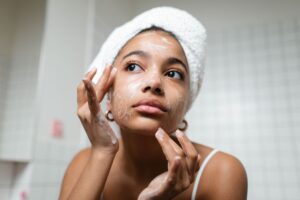
Yes, acne has become significantly more complex than it was even a decade ago—and dermatologists attribute this shift to a perfect storm of biological, environmental, and treatment factors that make today’s breakouts harder to predict and treat. What once seemed like a straightforward teenager problem—bacteria, oil, and clogged pores—now involves intricate interactions between genetics, hormonal fluctuations, chronic stress, sleep deprivation, ultra-processed foods, and even environmental chemicals. The statistics tell the story: while approximately 85% of Americans will experience acne at some point in their lifetime, with roughly 50 million affected annually, the real shift is that adult acne is rising sharply among millennials and Gen Z, and dermatologists are seeing new breakouts in patients in their 30s, 40s, and beyond. This article explores why acne is no longer a simple skin condition, examines the multifactorial causes that complicate treatment, reviews emerging clinical breakthroughs, and shows you how the treatment landscape is evolving to match this new reality.
The complexity shows up immediately in patient outcomes: about 15% of those with acne develop severe cases that lead to permanent scarring, while others with seemingly similar triggers remain clear. This variation itself is a puzzle. Someone’s acne might stem primarily from hormones, while their friend’s breakouts are driven by microbiome disruption from past antibiotics. A third person’s acne could be environmental—triggered by pollution exposure or specific skincare ingredients. Without knowing which factors are driving *your* acne, generic treatments often fail, leading many patients to cycle through multiple products and medications in frustration.
Table of Contents
- Why Dermatologists Now Recognize Acne as Multifactorial
- The Challenge of Treatment Side Effects and Access Barriers
- The Rising Wave of Adult Acne Among Millennials and Gen Z
- Emerging Technologies That Address Complexity
- The Microbiome Revolution and Next-Generation Antibiotic Approaches
- Environmental and Lifestyle Factors That Experts Now Emphasize
- The 2026 Shift Toward Personalized, Inside-Out Acne Management
- Conclusion
Why Dermatologists Now Recognize Acne as Multifactorial
The primary reason acne is more complex today is that research has expanded far beyond the “bacteria and oil” model. Current science shows that genetics loads the gun, but environment, hormones, diet, stress, and sleep all pull the trigger. Someone with a genetic predisposition to acne might remain mostly clear until their 20s when stress and irregular sleep kick in—then suddenly they’re struggling. Alternatively, a shift to an ultra-processed diet, or even a change in environmental pollution exposure, can activate dormant acne tendency.
This multifactorial reality means that two people with almost identical skin type might respond completely differently to the same treatment, because the root causes driving their acne are different. The practical implication is that “one-size-fits-all” treatments often fail, which is why dermatologists now spend more time investigating your personal triggers. Are you stressed? Getting enough sleep? What does your diet look like? Have you recently moved, or changed your routine? These questions aren’t secondary—they’re central to effective acne management. For example, a patient who develops acne purely from hormonal fluctuations will see minimal improvement from topical antibiotics and benzoyl peroxide, but may respond dramatically to hormonal contraceptives or spironolactone. Meanwhile, someone whose acne stems from a disrupted skin microbiome (perhaps from overuse of harsh antibiotics) needs a completely different approach: gentle cleansing, barrier-repair products, and potentially probiotics rather than more antimicrobials.
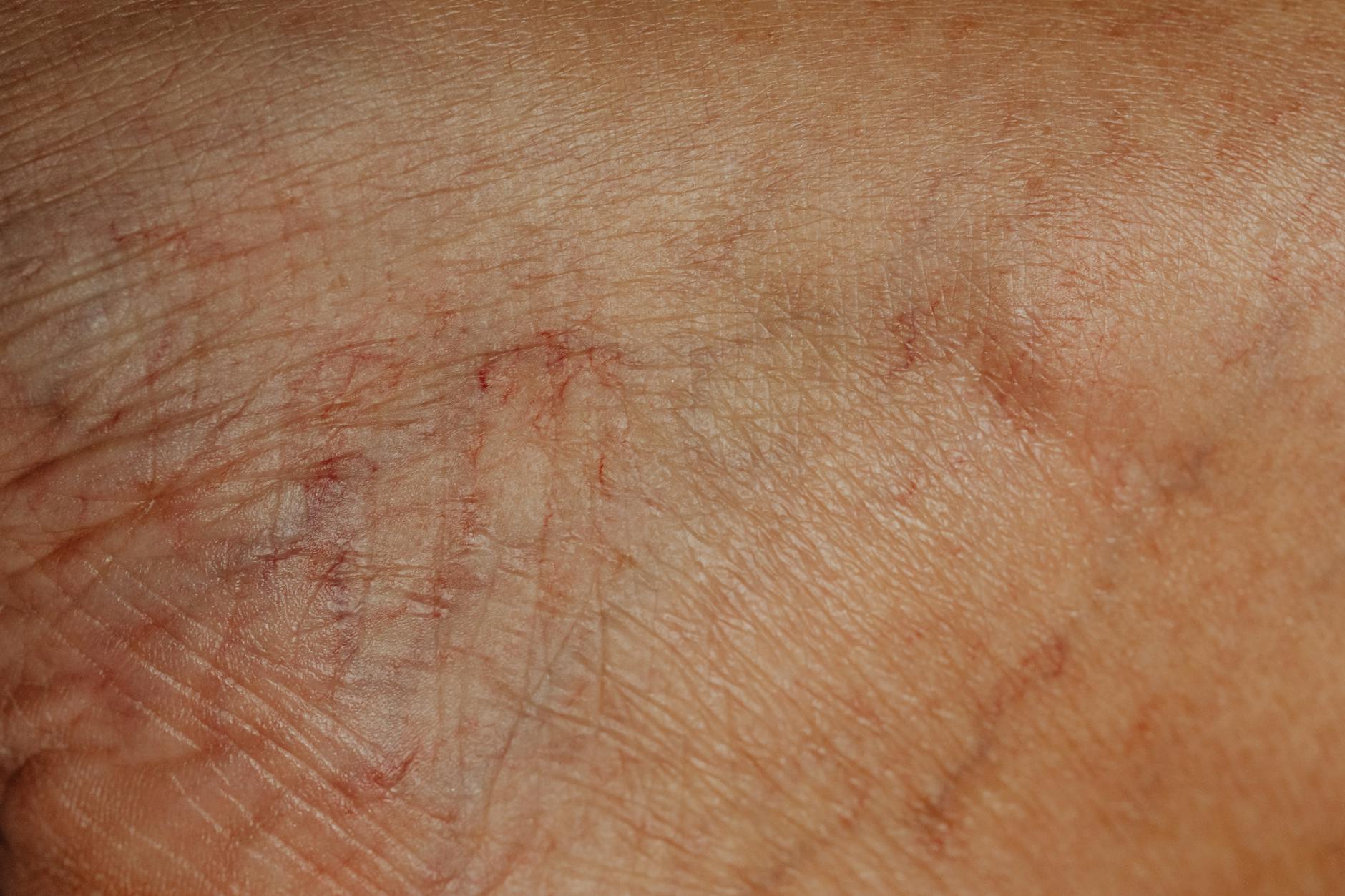
The Challenge of Treatment Side Effects and Access Barriers
As acne has grown more complex, so have the barriers to effective treatment. High-efficacy medications like isotretinoin (Accutane) can clear severe acne permanently, but come with strict requirements: monthly pregnancy tests for women of childbearing age, mandatory liver and lipid monitoring, potential depression risks, and a significant financial commitment. For many patients, these barriers are deal-breakers. Oral antibiotics like doxycycline effectively reduce acne-causing bacteria, but prolonged use disrupts the gut microbiome—a side effect that can take months or years to recover from, and may leave some patients with chronic digestive issues. Topical retinoids are powerful but cause dryness, irritation, and increased sun sensitivity, making them difficult for people with sensitive skin.
However, if you have moderate acne and good access to dermatology care, the newer narrow-spectrum options like sarecycline offer a middle ground: they target acne bacteria while minimizing broader microbiome disruption. Similarly, the 2026 treatment landscape is shifting away from harsh, one-size-fits-all approaches toward targeted, skin-barrier-friendly solutions including AI-personalized skincare recommendations, microbiome-supportive products, and combined inside-out treatments that address acne from multiple angles simultaneously. The catch is that access remains uneven. In many regions, dermatologists are scarce, and patients rely on primary care physicians or internet advice. The treatment market is expected to grow from $1,449.5 million in 2025 to $2,670.3 million by 2035, but not all of that growth reaches underserved populations.
The Rising Wave of Adult Acne Among Millennials and Gen Z
One of the most striking shifts in acne epidemiology is the rise of adult-onset breakouts in millennials and Gen Z—a pattern that baffles many dermatologists. These cohorts are experiencing acne later in life, in their 30s and 40s, at higher rates than previous generations. The causes likely include higher chronic stress (financial anxiety, job instability, social media pressure), sleep deprivation (especially with screen exposure before bed), irregular eating patterns, and greater exposure to environmental stressors. For many of these patients, the psychology of acne is particularly challenging: they spent their teenage years clear or relatively clear, so they have no experience managing breakouts, and they face the double indignity of acne *plus* the assumption that “you should have outgrown this by now.” The data shows that acne prevalence is about 20.5% globally in those over age 16, with the highest concentration (28.3%) in those aged 16-24.
But what’s new is the significant representation of older age groups. Women, in particular, are seeing a rise in acne during their 30s and 40s, often driven by hormonal shifts (perimenopause), increased stress, or changes in skincare routines. This has led dermatologists to rethink how they approach adult acne: it’s not simply a continuation of teenage acne, but often a distinct condition with different triggers and different treatment needs. For someone in their 40s experiencing acne for the first time, isotretinoin might be overkill, but gentle hormonal management combined with targeted topicals and lifestyle changes often works well.

Emerging Technologies That Address Complexity
In recent years, several breakthrough technologies have emerged that specifically tackle the complexity of modern acne. The most striking is the 1726-nanometer laser (devices like AviClear and Accure), which targets the sebaceous gland directly without systemic medications or antibiotics. Clinical data shows that 40% of patients with moderate-to-severe acne achieve clear or almost-clear skin for up to 6 months after treatment, while 80-90% experience a 50% or greater reduction in inflammatory lesions. This is significant because it offers a non-pharmaceutical option for people who can’t tolerate oral medications or who want to avoid microbiome disruption.
However, the tradeoff is that laser treatment is expensive (typically $1,500-$3,000 per session, with multiple sessions needed), not widely available, and only effective for inflammatory acne—it won’t treat comedones or cystic lesions. For someone struggling to afford treatment, or living in an area without access to specialized dermatology centers, laser therapy isn’t a practical solution. Additionally, novel topical combinations like adapalene (0.3%) paired with benzoyl peroxide (2.5%) have been approved for ages 12 and up, offering more efficacy than either ingredient alone while being significantly cheaper than laser treatments. The real opportunity is combining approaches: someone might start with topical retinoids and benzoyl peroxide while also addressing hormonal triggers and lifestyle factors, then move to laser therapy if needed.
The Microbiome Revolution and Next-Generation Antibiotic Approaches
One of the most underappreciated shifts in acne treatment is the move toward microbiome-conscious approaches. For decades, the standard treatment was to aggressively kill acne bacteria using broad-spectrum antibiotics like doxycycline or minocycline. The problem is that these drugs kill not only acne-causing bacteria, but also beneficial bacteria throughout the gut and skin, leading to yeast overgrowth, digestive issues, and potentially compromised immunity. Newer research recognizes that the skin microbiome is essential to health, so killing it indiscriminately often backfires.
This is where sarecycline enters the picture—it’s a narrow-spectrum tetracycline antibiotic that targets acne bacteria while minimizing collateral damage to beneficial microbes. However, the limitation is that sarecycline is newer, more expensive, and not yet standard of care in many regions. Furthermore, the ultimate frontier isn’t antibiotics at all: Sanofi currently has an mRNA acne vaccine in clinical trials, designed to train the immune system to specifically target *Cutibacterium acnes* (formerly *Propionibacterium acnes*) without broad antimicrobial effects. If successful, this could represent a paradigm shift—preventing acne at the immunological level rather than trying to kill bacteria. The realistic timeline is still years away, but it illustrates how treatment is evolving toward precision and sustainability.

Environmental and Lifestyle Factors That Experts Now Emphasize
Modern dermatology recognizes that treating acne without addressing lifestyle is like treating a leak without fixing the source. Environmental factors—pollution exposure, chlorine from pools, humidity and sweat from exercise—all contribute to acne complexity, as does diet. Ultra-processed foods high in refined carbohydrates and omega-6 rich oils promote inflammation, while adequate sleep, stress management, and antioxidant-rich foods support skin healing. For example, a patient in a humid, polluted city might need more frequent cleansing and barrier protection, while someone inland with dry air needs a completely different skincare strategy.
Sleep deprivation is a particularly underrated trigger: insufficient sleep elevates cortisol, suppresses immune function, and disrupts hormonal balance—all of which fuel acne. Someone pulling all-nighters or working night shifts will often find that acne improves dramatically simply by prioritizing consistent sleep, even before changing topical treatments. This is why experts now view acne management as holistic rather than pharmaceutical-first. The most successful long-term outcomes typically involve medication *plus* lifestyle optimization, not one or the other.
The 2026 Shift Toward Personalized, Inside-Out Acne Management
Looking at the landscape in 2026, the field is clearly moving toward personalized, multi-modal treatment. AI-powered skincare is emerging, with apps and devices that analyze your skin and recommend personalized product combinations rather than generic solutions. Combined inside-out approaches—simultaneously addressing skin from topically, systemically, and through lifestyle—are becoming standard.
Instead of “just use benzoyl peroxide,” dermatologists are saying, “Here’s a topical retinoid, here’s a targeted oral supplement for skin health, here’s a stress-management protocol, and here’s what to avoid.” This complexity sounds overwhelming but it actually reflects a maturation of the field: acne is being treated as the complex condition it truly is. The treatment market expansion from $1.4 billion to $2.7 billion by 2035 reflects this shift, as new modalities (lasers, vaccines, AI tools, microbiome-focused products) enter the market alongside traditional pharmaceuticals. For patients, the upside is unprecedented options; the downside is decision paralysis and cost. The future likely belongs to dermatologists and dermatology apps that can actually understand *your* unique acne profile and recommend the specific combination of treatments that will work for you—rather than defaulting to whatever was prescribed last decade.
Conclusion
Acne is more complex than ever because the condition itself is multifactorial, affecting 20.5% of the global population with highest rates among 16-24-year-olds, yet increasingly showing up in older adults. The rise is driven by genetics, environmental stressors, hormonal imbalances, sleep deprivation, diet, and stress—factors that vary dramatically from person to person. Effective treatment today requires understanding your specific triggers, which might be entirely different from someone else’s, and selecting from a rapidly expanding toolkit that includes targeted topicals, oral medications, laser therapy, and lifestyle modifications. The exciting news is that innovation is accelerating: 1726-nanometer lasers achieve 40% clear skin rates, sarecycline offers microbiome-sparing antibiotic therapy, and an mRNA acne vaccine is in clinical trials.
Your next step is to move beyond the assumption that acne is a simple, generic skin condition. If you’re struggling with breakouts, work with a dermatologist (or use an AI-guided skincare app as a starting point) to identify your specific triggers: hormonal, environmental, dietary, or stress-related. Then build a personalized protocol that addresses those roots, rather than applying generic treatments and hoping one sticks. The complexity of modern acne is frustrating, but it’s also an opportunity—because it means there’s very likely a solution that works for *you* specifically, not just a one-size-fits-all Band-Aid.