
New acne treatments are shifting focus from simply killing bacteria to restoring the skin’s natural microbial balance—a fundamental change in how dermatologists approach the condition. Rather than viewing acne as a straightforward bacterial infection best treated with broad-spectrum antibiotics, recent research reveals that acne stems from dysbiosis, a loss of balance among different strains of Cutibacterium acnes and other skin microorganisms. When skin microbiome diversity declines, patients experience increased sebum production, elevated pH levels, reduced skin barrier function, and inflammation—creating an environment where acne persists despite antibiotic use.
This article explores the science behind microbiome restoration, examines novel pharmaceutical treatments entering clinical practice, discusses vaccine development, and covers the personalization strategies that define 2026’s acne care paradigm. The implications are significant. Patients who have struggled with antibiotic resistance, recurring breakouts, or persistent irritation from conventional treatments now have evidence-backed alternatives. These new approaches address the root causes of acne rather than temporarily suppressing symptoms, offering the potential for longer-lasting clearance and healthier skin barrier function over time.
Table of Contents
- What Does Dysbiosis Have to Do With Acne?
- Probiotics, Postbiotics, and the Science of Microbial Balance
- Novel Pharmaceutical Treatments Entering Clinical Practice
- Phage Therapy and Photodynamic Innovations
- Personalization Over One-Size-Fits-All Treatment
- The Multi-Pillar Approach to Acne Management
- What’s Ahead for Acne Treatment
- Conclusion
What Does Dysbiosis Have to Do With Acne?
For decades, acne treatment centered on the assumption that more bacteria equals more acne. Kill the bacteria, clear the skin. However, recent clinical research published in the Journal of the European Academy of Dermatology and Venereology reveals a more nuanced reality: acne patients exhibit decreased microbial diversity, not just elevated bacterial counts. This loss of diversity—dysbiosis—leaves the skin vulnerable to pathogenic strains while beneficial bacteria that normally regulate inflammation are depleted. Acne patients commonly show multiple interconnected problems simultaneously: higher sebum production, increased transepidermal water loss (meaning a compromised skin barrier), elevated skin pH, and increased redness. These aren’t separate issues but symptoms of an imbalanced microbiome unable to maintain the skin’s protective ecosystem.
For comparison, imagine a forest where one aggressive species crowds out others—the entire ecosystem becomes fragile and prone to disease. A skin microbiome with reduced diversity behaves similarly, creating ideal conditions for pathogenic Cutibacterium acnes strains to proliferate. Understanding dysbiosis explains why some acne patients improve on antibiotics only to relapse once treatment stops. Antibiotics wipe out both harmful and beneficial bacteria, temporarily solving the immediate problem but leaving the underlying imbalance unaddressed. As antibiotic use continues, resistant strains develop, making the dysbiosis worse. The new treatment paradigm addresses this by actively restoring microbial diversity and supporting beneficial bacteria rather than simply destroying all microorganisms.
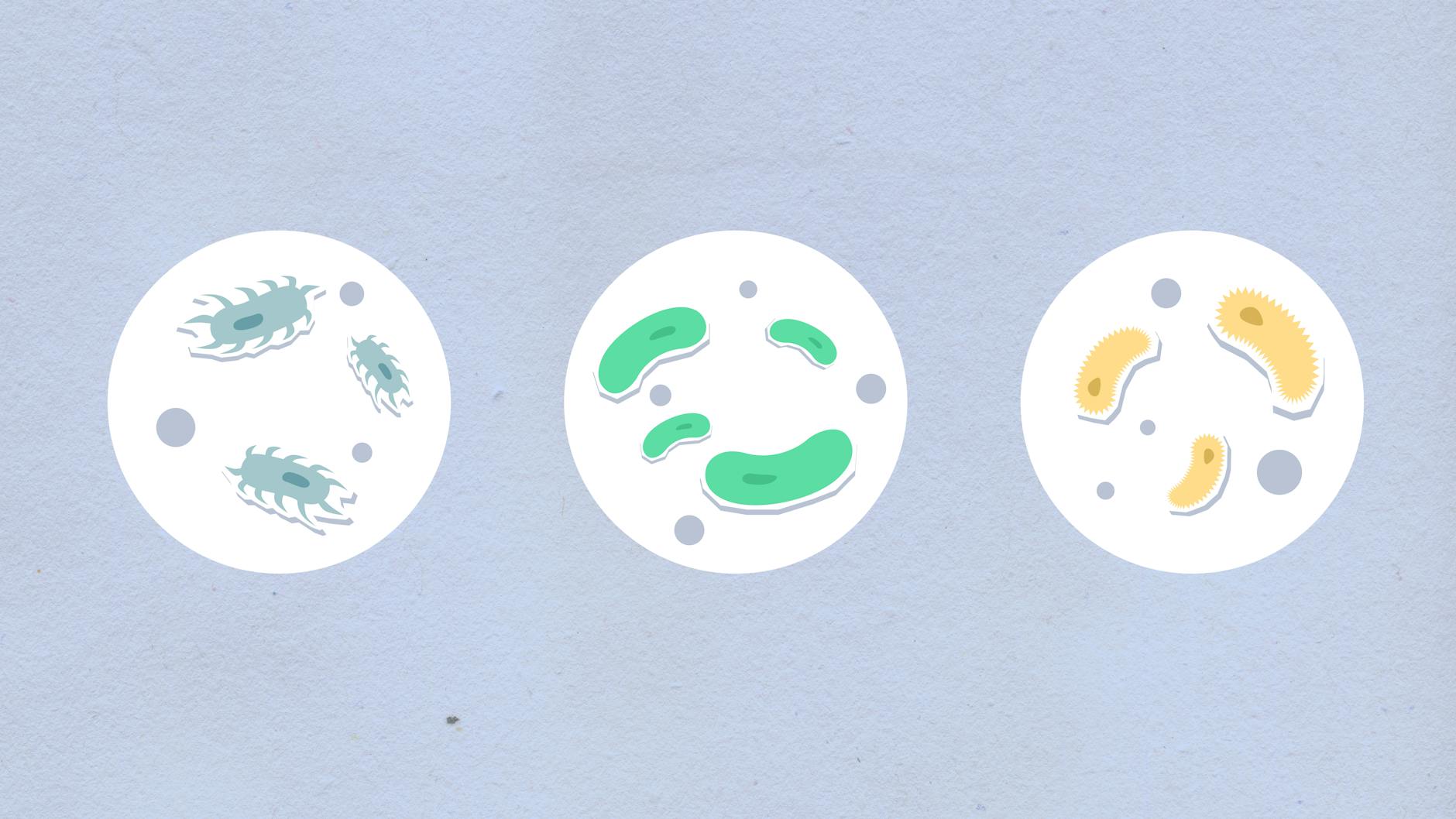
Probiotics, Postbiotics, and the Science of Microbial Balance
Probiotic treatments—both topical applications and oral supplements—have demonstrated measurable efficacy in placebo-controlled clinical trials. Patients using probiotics showed significant reductions in both inflammatory and total acne lesion counts, with improvements sustained over treatment periods. These results matter because they show that simply introducing beneficial bacteria isn’t pseudoscience; it’s a reproducible treatment effect. Oral probiotics work systemically to support gut-skin health, while topical probiotics directly colonize the facial microbiome with beneficial strains. Postbiotics represent an even more refined approach. These fermentation byproducts—metabolites produced when beneficial bacteria break down nutrients—directly enhance skin barrier function, suppress pathogenic bacteria through antimicrobial compounds, and reduce inflammation without requiring live bacteria to persist on the skin.
This addresses a practical limitation of traditional probiotics: keeping beneficial bacteria alive and stable on the skin surface is challenging. Postbiotics provide their benefits without depending on organism viability, making them more reliable and shelf-stable than live cultures. For patients with sensitive skin or those prone to product irritation, postbiotics offer a gentler entry point into microbiome-restoration therapy. However, microbiome treatments work best as part of a comprehensive approach rather than standalone solutions. A patient continuing to use harsh, alkaline cleansers or irritating actives may sabotage the microbiome-restoring benefits of probiotics and postbiotics. Similarly, if sebum production remains uncontrolled or skin pH remains elevated, rebalancing becomes more difficult. This is why dermatologists now emphasize the “foundation first” approach: gentle cleansing, pH-balanced products, intact skin barrier, and only then microbial treatments to build on that foundation.
Novel Pharmaceutical Treatments Entering Clinical Practice
Two novel compounds have recently demonstrated compelling efficacy in Phase 3 clinical trials and represent a new class of acne medications. DMT 310, derived from freshwater sponges, combines antimicrobial and anti-inflammatory properties and met all primary endpoints in Phase 3 trials for moderate-to-severe acne. Unlike broad-spectrum antibiotics, DMT 310’s mechanism is more targeted, reducing the risk of dysbiosis while addressing both bacterial and inflammatory components of acne. ASC40, a farnesyltransferase inhibitor, operates through a different mechanism entirely—reducing sebum production and inflammation simultaneously. This dual action addresses two of the four fundamental pathogenic factors in acne.
In Phase 3 trials, ASC40 achieved both primary and secondary endpoints with a favorable safety profile, meaning patients tolerated it well without significant adverse effects. For comparison, traditional retinoids also reduce sebum, but ASC40’s mechanism works through a different pathway, potentially offering an option for patients who don’t tolerate retinoid irritation. Fixed-dose combination therapy is gaining momentum as dermatologists recognize that acne’s four pathogenic factors—bacterial colonization, follicular hyperkeratinization, sebum production, and inflammation—respond best to simultaneous targeting. A triple-combination therapy containing clindamycin, adapalene, and benzoyl peroxide demonstrated that approximately 40% of patients with moderate-to-severe acne achieved clear or almost-clear skin for up to 6 months, with 80-90% experiencing at least 50% reduction in inflammatory lesions. This exceeds the outcomes typically seen with monotherapy, illustrating why multi-pillar approaches are becoming the standard of care.

Phage Therapy and Photodynamic Innovations
Bacteriophage therapy represents a fundamentally different approach to bacterial control: instead of broad-spectrum antimicrobials, bacteriophages are viruses that specifically infect and destroy targeted pathogenic bacteria. The advantage is profound—phage therapy eliminates resistance risk because bacteria cannot develop cross-resistance to these highly specific viral predators the way they do to antibiotics. Additionally, because phages target only pathogenic strains, they preserve beneficial microbiota, preventing the dysbiosis that traditional antibiotic therapy creates. This addresses the core problem: acne recurrence driven by dysbiosis-enabling treatments. Photodynamic therapy (PDT) with topical aminolevulinic acid hydrochloride, branded as Ameluz, combines a light-activating compound with red-light exposure to kill pathogenic bacteria and reduce inflammation. Biofrontera’s Phase 2b data is anticipated in early 2026, with a full Phase 3 program expected later in 2026.
For patients interested in non-systemic, office-based treatments with minimal side effects, PDT offers a compelling alternative. However, PDT requires multiple office visits and can cause temporary redness and sensitivity, making it less convenient than topical or oral medications for some patients. The vaccine approach underscores how completely acne treatment is being reconceptualized. An acne mRNA vaccine currently in clinical trials aims to train the immune system to recognize and eliminate pathogenic Cutibacterium acnes strains without broad antimicrobial effects. Trial results in adults aged 18-45 with moderate-to-severe acne are expected by 2029. If successful, this would represent a paradigm shift—preventing acne through immunization rather than managing it through daily topical treatments. The timeline is extended because vaccine development requires rigorous safety monitoring, but the potential is transformative.
Personalization Over One-Size-Fits-All Treatment
The 2026 acne treatment landscape emphasizes personalization and homeostasis maintenance—supporting the skin’s natural balance rather than disrupting it further. AI-personalized skincare protocols now analyze individual skin type, microbiome characteristics, hormonal status, and sensitivity triggers to recommend treatment combinations tailored to each patient’s unique pathology. For hormonal acne, targeted supplements like DIM (diindolylmethane) combined with topical microbiome treatments offer a “inside-out” approach that addresses the hormonal driver while supporting skin barrier health. Reduced-irritation retinoid systems represent another personalization trend. Traditional retinoids remain highly effective but cause dryness, irritation, and potential dysbiosis in sensitive patients.
Newer delivery systems and formulations reduce irritation while maintaining efficacy, allowing more patients to tolerate retinoid therapy. However, this requires careful product selection and dermatology guidance—not all “gentler” retinoids are equally effective, and some may not address the specific pathogenic factors driving an individual patient’s acne. A critical limitation of personalization is that it requires either dermatology consultation or sophisticated at-home analysis—it’s not accessible to everyone equally. Patients relying on standard drugstore acne products without professional guidance may default to the conventional approaches that don’t address their specific dysbiosis or sensitivity patterns. Additionally, personalization takes time; results from customized treatments may take 8-12 weeks to manifest, during which patients must maintain consistency and patience. The psychological challenge of acne means patients sometimes struggle with this extended timeline and abandon treatment prematurely.
The Multi-Pillar Approach to Acne Management
Comprehensive acne management now targets the four fundamental pathogenic factors simultaneously: bacterial colonization, follicular hyperkeratinization (clogged pores), sebum overproduction, and inflammation. Addressing just one or two factors provides temporary improvement; targeting all four provides the most stable, long-lasting results. A typical multi-pillar regimen might include a gentle cleanser (barrier support), a benzoyl peroxide wash or retinoid (bacterial control and desquamation), a topical antimicrobial or probiotic (dysbiosis correction), and an anti-inflammatory like niacinamide or azelaic acid.
The practical advantage is immediate: patients using multi-pillar approaches report better compliance and faster improvement because they understand that each step addresses a different root cause rather than haphazardly trying random treatments. For example, a patient with hormonal acne, oily skin, and sensitive barrier function might use oral DIM (hormonal support), oral probiotics (microbiome), topical adapalene (sebum and keratinization), and azelaic acid (inflammation and dysbiosis correction). This simultaneously addresses hormones, microbiome, sebum, and inflammation rather than just attacking bacteria.
What’s Ahead for Acne Treatment
The trajectory is clear: acne treatment in 2026 and beyond will increasingly move away from broad-spectrum antimicrobial approaches toward personalized, microbiome-aware, multi-pillar protocols. DMT 310 and ASC40 entering the market provide new pharmaceutical options alongside established treatments. Bacteriophage therapy and PDT innovations offer non-antibiotic mechanisms.
The mRNA vaccine pathway, though years away from widespread availability, signals dermatology’s commitment to fundamental solutions rather than perpetual symptom management. For patients navigating this evolving landscape, the message is straightforward: modern acne treatment is more sophisticated and evidence-based than the one-size-fits-all approaches of the past. Work with a dermatologist to identify your specific pathogenic drivers, choose treatments targeting those drivers through multiple mechanisms, and prioritize microbiome health alongside acne clearance. The goal isn’t just clear skin—it’s stable, healthy skin with a balanced microbiome that can maintain clarity long-term.
Conclusion
New acne treatments are reshaping dermatology by targeting the underlying dysbiosis and imbalanced microbiome rather than simply suppressing bacterial growth through broad-spectrum antibiotics. This shift encompasses probiotic and postbiotic treatments, novel pharmaceuticals like DMT 310 and ASC40, emerging technologies like bacteriophage therapy and photodynamic therapy, and vaccine development that could fundamentally prevent acne. The principle guiding this evolution is homeostasis maintenance—supporting the skin’s natural balance rather than disrupting it further.
If you’re struggling with acne that hasn’t responded to conventional treatments, or if you’re concerned about antibiotic resistance and recurring breakouts, discuss these evidence-backed alternatives with your dermatologist. The personalized, multi-pillar approaches now available offer realistic pathways to sustained improvement, not just temporary clearance. The science is moving beyond antibiotics, and your skin deserves the benefit of these advances.