

Yes, a new wave of skincare brands is successfully treating acne using gentler ingredients instead of the traditional harsh actives that can damage the skin barrier. Companies like Banu Skin, Clearstem, and Personal Day have launched specifically because existing products relied on pore-clogging or barrier-damaging formulations. These newer lines use ingredients like niacinamide, azelaic acid, hypochlorous acid, and sulfur—proven acne-fighters that work without the irritation, dryness, and sensitivity that make harsh treatments difficult to sustain long-term.
This shift reflects a growing recognition among skincare chemists and dermatologists that effective acne treatment doesn’t require scorched-earth approaches; instead, it requires smart formulation that addresses the root causes of breakouts while keeping skin healthy. This article explores what’s driving this market change, which gentle ingredients are gaining traction, how they compare clinically to traditional treatments, and what realistic timelines you should expect when switching to a gentler regimen. We’ll also look at dermatologist-recommended brands, explain the limitations of gentle actives, and help you understand which ingredients work best for your skin type.
Table of Contents
- Why Are New Skincare Brands Challenging Harsh Acne Treatments?
- The Science Behind Gentle Acne Actives—How They Actually Work
- The Top Gentle Acne Ingredients Trending in 2026
- How to Switch to a Gentle Acne Regimen and What to Expect
- The Reality of Timeline and Limitations with Gentle Treatments
- Dermatologist-Backed Brands and Clinical Validation
- The Future of Acne Treatment and Why Gentleness Matters
- Conclusion
Why Are New Skincare Brands Challenging Harsh Acne Treatments?
For decades, acne treatment meant reaching for benzoyl peroxide at 10% or higher strength, isotretinoin, or other intense actives that left skin red, peeling, and compromised. The problem, as dermatologists and brands like Banu Skin have recognized, is that many traditional acne products were formulated with ingredients that actually damage the skin barrier while treating acne—a contradiction that leaves people with clear skin that’s also irritated, sensitized, and prone to other problems. Banu Skin founder Roz Samimi created her line specifically to address the gap: acne-safe skincare that doesn’t sacrifice barrier health for clearance.
This market gap existed because the acne category became trapped in a “strength = effectiveness” mindset. But research now shows that lower-strength formulations of some actives work nearly as well as higher-strength versions, and that gentler ingredients can achieve clearance without the side effects that make people quit their routines. Personal Day, created by Lili Reinhart, emerged from a similar observation—there were very few genuinely acne-safe options marketed to adults who wanted to treat breakouts without harsh irritation.

The Science Behind Gentle Acne Actives—How They Actually Work
Gentle actives combat acne through different mechanisms than harsh treatments, and understanding these distinctions helps you choose the right product for your skin. Rather than aggressively stripping the skin or creating inflammation to kill bacteria, gentle actives typically work by supporting skin barrier function, normalizing sebum production, or using antibacterial methods that don’t irritate. For instance, niacinamide (Vitamin B3) regulates sebum production at the source, strengthens the skin barrier, and reduces inflammation—all without the drying effect of benzoyl peroxide. Azelaic acid supports gentle cell turnover and is antibacterial, making it a favorite among dermatologists for sensitive skin, pregnant women, and people with rosacea alongside acne.
However, gentleness comes with a tradeoff: these actives typically work more slowly than harsher treatments. Where a strong benzoyl peroxide regimen might show results in 4 to 6 weeks, niacinamide or azelaic acid may take 8 to 12 weeks for visible improvement, with full clearing sometimes taking up to 16 weeks. This isn’t because they don’t work—it’s because they work through cellular turnover and gradual rebalancing rather than through acute irritation. If your acne is severe or cystic, gentler actives may not be sufficient alone, and a dermatologist might recommend combining them with prescription treatments or using them as maintenance once acne clears.
The Top Gentle Acne Ingredients Trending in 2026
Niacinamide has emerged as the breakout gentle active of 2026, with search interest growing 49% year-over-year. This vitamin B3 derivative appears in serums, moisturizers, and toners because it addresses multiple acne drivers without irritation—it regulates sebum, supports barrier function, and calms inflammation. Clearstem’s Clearity Exfoliating Serum uses mandelic acid, a gentler hydroxy acid derived from almonds that exfoliates without the intensity of glycolic or salicylic acid.
For hydration-focused acne treatment, Clearstem’s Skinspray uses hypochlorous acid, a natural compound produced by white blood cells that has antimicrobial properties and is gentle enough for sensitive skin. Azelaic acid continues to gain recognition, particularly because dermatologists recommend it for the specific populations—pregnant women, people with rosacea, people with sensitive skin—who often can’t use traditional acne treatments. Sulfur represents an older ingredient experiencing renewed interest; it has antibacterial and keratolytic properties without the irritation profile of benzoyl peroxide. These four ingredients (niacinamide, mandelic acid, azelaic acid, sulfur) and hypochlorous acid form the backbone of the new gentle acne category and appear across brands from Personal Day to CeraVe’s acne line.
How to Switch to a Gentle Acne Regimen and What to Expect
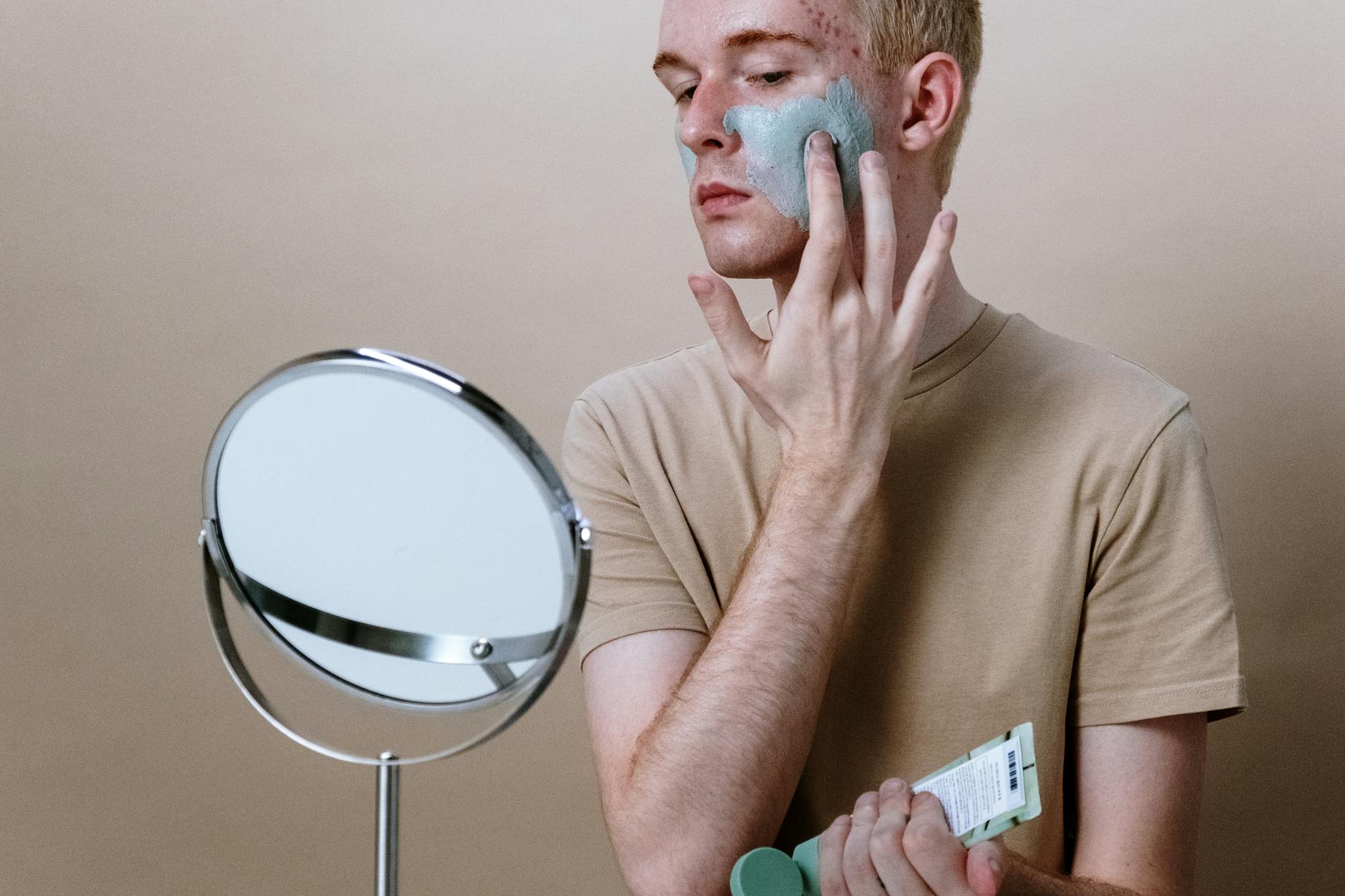
Transitioning from harsh to gentle actives requires patience and realistic expectations. If you’ve been using 10% benzoyl peroxide and switch to niacinamide, your skin will likely look worse for the first 2 to 3 weeks as it adjusts and you stop over-irritating it. This adjustment phase is normal—your skin is recovering barrier function and rebalancing bacteria. Start with one gentle active (not multiple at once) and use it consistently for at least 8 to 12 weeks before deciding whether it’s working.
Pair it with a solid moisturizer, because even gentle actives benefit from hydration support; CeraVe and La Roche-Posay are the top dermatologist-recommended brands for pairing with acne actives because they specifically support barrier repair. One important limitation: if you have fungal acne (Malassezia), niacinamide alone won’t address it, and you may need an antifungal ingredient or a dermatologist’s guidance instead. If you have severe cystic acne, gentle actives are better suited as maintenance or for mild-to-moderate breakouts; severe acne often requires prescription-strength treatments or professional procedures. The advantage of gentle actives is that they’re sustainable long-term—you can use niacinamide or azelaic acid for years without your skin building tolerance or becoming dependent on escalating strength.
The Reality of Timeline and Limitations with Gentle Treatments
Mayo Clinic’s data on nonprescription acne treatments clarifies the expected timeline: visible improvement typically takes 4 to 12 weeks, with full clearing potentially taking up to 16 weeks. This is a substantial commitment compared to the promise of “results in 2 weeks” that some harsh treatments market. However, this longer timeline exists because gentler actives cause less cellular disruption and inflammation, which means healing is also more stable. When you do see results, they tend to hold better than results from treatments that work by irritating the skin into temporary clearance.
A critical limitation worth understanding: not all acne responds equally to gentle ingredients. Hormonal acne, cystic acne, and severe inflammatory acne often require prescription treatments (like spironolactone, retinoids, or oral antibiotics) regardless of how gentle your topical actives are. Gentle skincare is most effective for mild-to-moderate acne, acne-prone skin, and maintenance after treatment. Additionally, some people’s skin genuinely prefers stronger actives—if you have resilient, non-sensitive skin and your acne clears quickly with benzoyl peroxide, switching to gentler alternatives might not be necessary. The point is customization, not dogma.
Dermatologist-Backed Brands and Clinical Validation
CeraVe holds the #1 position among dermatologist-recommended acne brands specifically because its formulations combine acne actives with barrier-supporting ingredients like ceramides and hyaluronic acid. This dual-action approach—treating acne while protecting skin—is the hallmark of the new gentle category. La Roche-Posay also ranks highly among dermatologists for acne treatment because its formulations use gentler actives and include soothing ingredients like thermal water.
When evaluating new gentle acne brands, looking for dermatologist recommendations and third-party clinical testing (not just brand marketing) is essential. One useful benchmark: does the brand reference clinical data on ingredient strength? For example, Mayo Clinic data shows that tea tree oil at 5% concentration may be as effective as benzoyl peroxide at 5%—but it works more slowly. If a brand is using lower-strength actives, they should either acknowledge the slower timeline or combine ingredients for synergy (like niacinamide plus azelaic acid). Brands like Clearstem that cite specific actives (mandelic acid, hypochlorous acid) and their dermatological rationale are more transparent than brands making vague “gentle acne solution” claims.
The Future of Acne Treatment and Why Gentleness Matters
The emergence of brands like Banu Skin, Clearstem, and Personal Day signals a permanent shift in how the skincare industry thinks about acne. Rather than treating it as a problem requiring aggressive intervention, the new approach recognizes acne as a condition that coexists with other skin concerns—sensitivity, barrier compromise, rosacea, pregnancy—and requires solutions that don’t worsen those underlying issues.
This trend aligns with broader dermatological research showing that gentler, sustained treatment often outperforms harsh, sporadic treatment for long-term skin health. As these brands gain market share and clinical backing accumulates, expect to see more combination products that layer gentle actives together (niacinamide with azelaic acid, mandelic acid with sulfur) to accelerate results while maintaining tolerability. The gentleness movement also opens acne treatment to populations previously excluded—pregnant women, people on sensitive-skin-required medications, people with rosacea—expanding the market beyond just teenagers and adults who can tolerate harsh treatments.
Conclusion
New skincare lines targeting acne without harsh ingredients represent a legitimate innovation, not a compromise in effectiveness. Brands like Banu Skin, Clearstem, and Personal Day have identified a genuine market gap: acne-safe treatment that supports barrier health, works over 8 to 12 weeks with realistic expectations, and suits people whose skin can’t tolerate traditional harsh actives. Gentle ingredients like niacinamide (up 49% in search interest), azelaic acid, hypochlorous acid, and sulfur offer clinically supported alternatives that avoid the irritation cycle of benzoyl peroxide and retinoids while still achieving clearance.
Your next step depends on your acne severity and skin sensitivity. For mild-to-moderate acne or acne-prone sensitive skin, starting with a dermatologist-recommended gentle brand like CeraVe or La Roche-Posay, or exploring newer options like Clearstem, is a low-risk entry point. Commit to 8 to 12 weeks before evaluating results, pair your active with a good moisturizer, and if acne doesn’t improve or worsens, consult a dermatologist to rule out hormonal, fungal, or severe inflammatory causes that gentle topicals can’t address alone. The goal isn’t always the harshest treatment—it’s the most sustainable one.