
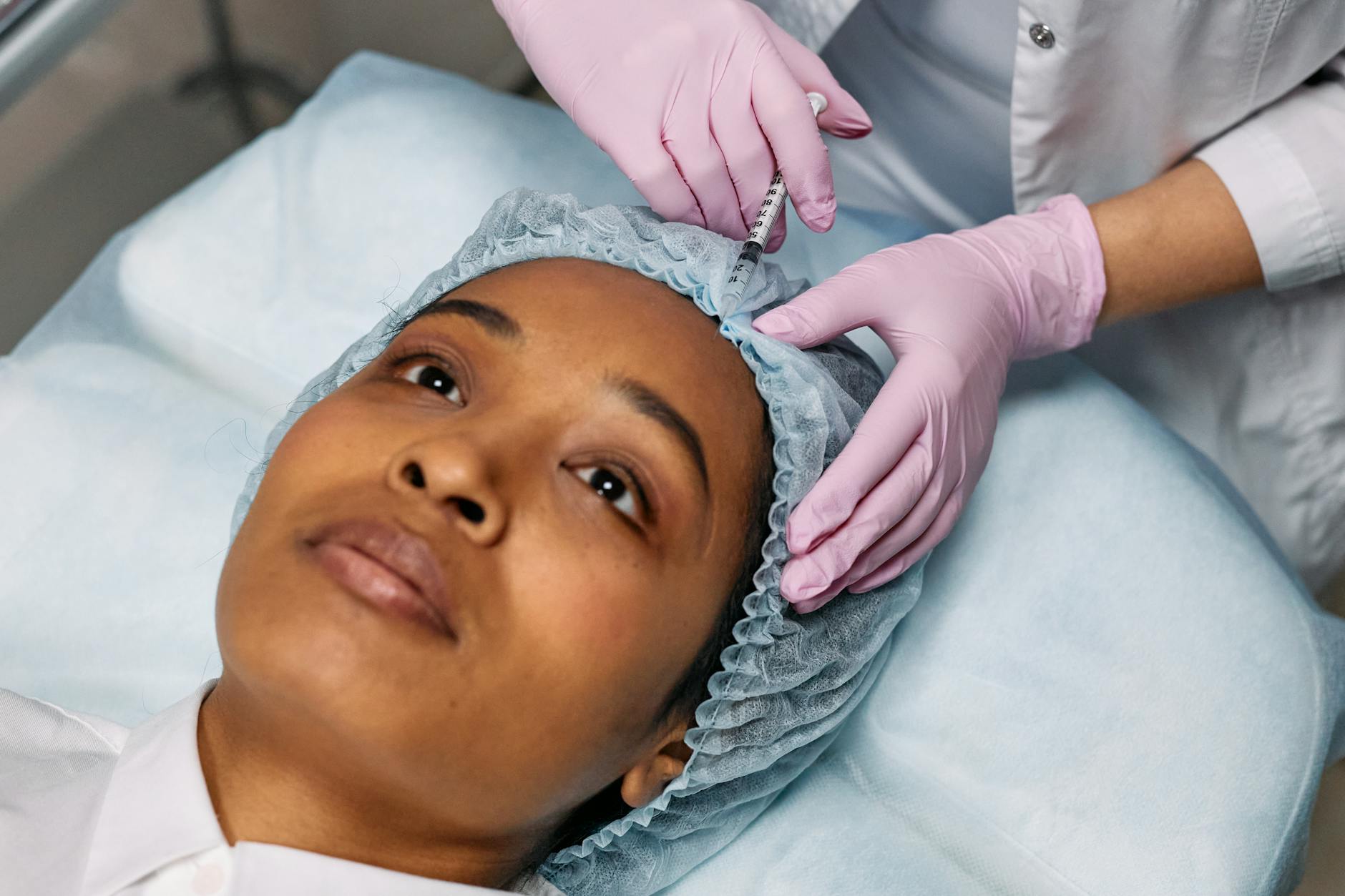
Dermatologists are partnering with skincare brands at unprecedented rates to address a growing health crisis: adult acne cases have surged 66.6% globally from 1990 to 2021, and the prevalence is climbing still. These partnerships reflect a fundamental shift in how the dermatology industry responds to patient demand. Rather than working in isolation, dermatologists are now collaborating with brand founders and manufacturers to develop specialized treatments, launch clinical-grade product lines, and pioneer innovations specifically designed for aging skin. Dr. Amy Wechsler, a dermatologist in New York City, exemplifies this trend—she recently opened an acne-focused clinic offering advanced in-office treatments including steroid injections and professional extractions, positioning herself at the intersection of clinical care and commercial skincare solutions.
This article explores why these partnerships are forming, what innovations they’re producing, and how they’re reshaping acne treatment for adults who are increasingly dealing with breakouts in their 30s, 40s, and beyond. The driving force behind these collaborations is both clinical and commercial. The epidemiological data is stark: approximately 50% of women in their 20s experience acne, but the problem persists—33% of women in their 30s still struggle with breakouts, and 25% in their 40s continue to deal with acne. Meanwhile, adults aged 25 to 39 show acne prevalence around 20%, with even adults 40 to 64 experiencing rates of 9.3%. Perhaps most telling is the gender disparity in dermatology visits: acne accounts for 10.1% of dermatology visits among adult females after age 20, compared to just 4.1% for males—meaning women are seeking professional help at 2.5 times the rate. This gap signals both a market opportunity and a genuine medical need that traditional skincare alone cannot address.
Table of Contents
- Why Are Dermatologists Launching and Partnering With Skincare Brands?
- The Reality of Dermatologist-Brand Partnerships—Innovation Meets Market Forces
- Direct-to-Consumer and At-Home Treatment Partnerships
- How Gender and Age Are Reshaping Partnership Strategies
- The Role of Clinical Evidence in Partnership Credibility
- Market Consolidation and the Rise of Medical-Grade Retail Brands
- What’s Next—Innovation Pipelines and the Future of Acne Treatment
- Conclusion
Why Are Dermatologists Launching and Partnering With Skincare Brands?
The rise of dermatologist-branded and dermatologist-partnered skincare lines reflects a recognition that the standard over-the-counter market has failed to keep pace with adult acne complexity. Many dermatologists observed that their patients were buying ineffective drugstore products, wasting time and money, and then arriving at their offices frustrated and desperate for solutions. By creating or endorsing medical-grade brands, dermatologists can ensure their patients have access to clinically validated treatments that reflect current scientific understanding. PCA Skin represents this model clearly—it’s a medical-grade dermatologist-developed line specifically formulated for acne treatment with a focus on clinical research backing each product. Similarly, Facile emerged as a dermatologist-founded brand that secured shelf space at Sephora, bringing clinical-grade formulations into mainstream retail settings where patients actually shop.
The partnership model also addresses a gap in personalization that traditional dermatology practices struggle to serve at scale. A dermatologist can spend 15 minutes with a patient during an office visit, but they cannot manufacture a skincare line in that consultation room. By partnering with established beauty brands or launching new lines, dermatologists gain the infrastructure to reach thousands of patients with tailored formulations. Cool as a Cucumber, for instance, emerged as a dermatologist-tested acne-focused brand, indicating that dermatologists collaborated on the product development, testing, and validation process. This hybrid model—combining dermatological expertise with brand resources—allows for faster innovation and wider distribution than either party could achieve alone.
The Reality of Dermatologist-Brand Partnerships—Innovation Meets Market Forces
These partnerships are producing genuinely novel treatment approaches, though it’s important to understand that “innovation from brands” doesn’t automatically mean “better for every patient.” Sanofi is currently advancing the world’s first mRNA acne vaccine through clinical trials, which represents a fundamental departure from traditional acne treatments. Instead of targeting bacteria or sebum production, this vaccine would help the body’s own immune system regulate the inflammatory response that causes acne. It’s a paradigm shift—but the vaccine is still in trials, meaning widespread availability is years away. For patients seeking help today, this innovation is aspirational rather than immediately practical. The landscape also includes emerging technologies that reflect dermatologist-brand collaboration in real time.
AI-powered personalization is now being integrated into skincare platforms, with companies using selfie-based image analysis to recommend customized skincare kits. dermatologists recognize that AI can systematize the assessment process they perform visually in their offices, extending their expertise to a wider population through technological intermediaries. Fixed-dose combination topicals represent another innovative approach emerging from the partnership space—these are drugs that combine multiple active ingredients in precise ratios, tailored to specific presentations of acne. However, a critical limitation applies here: combination treatments work well for straightforward cases but may be problematic for patients with sensitive skin or those taking medications that interact with acne drugs. A dermatologist-supervised approach remains important even when using dermatologist-endorsed products.
Direct-to-Consumer and At-Home Treatment Partnerships
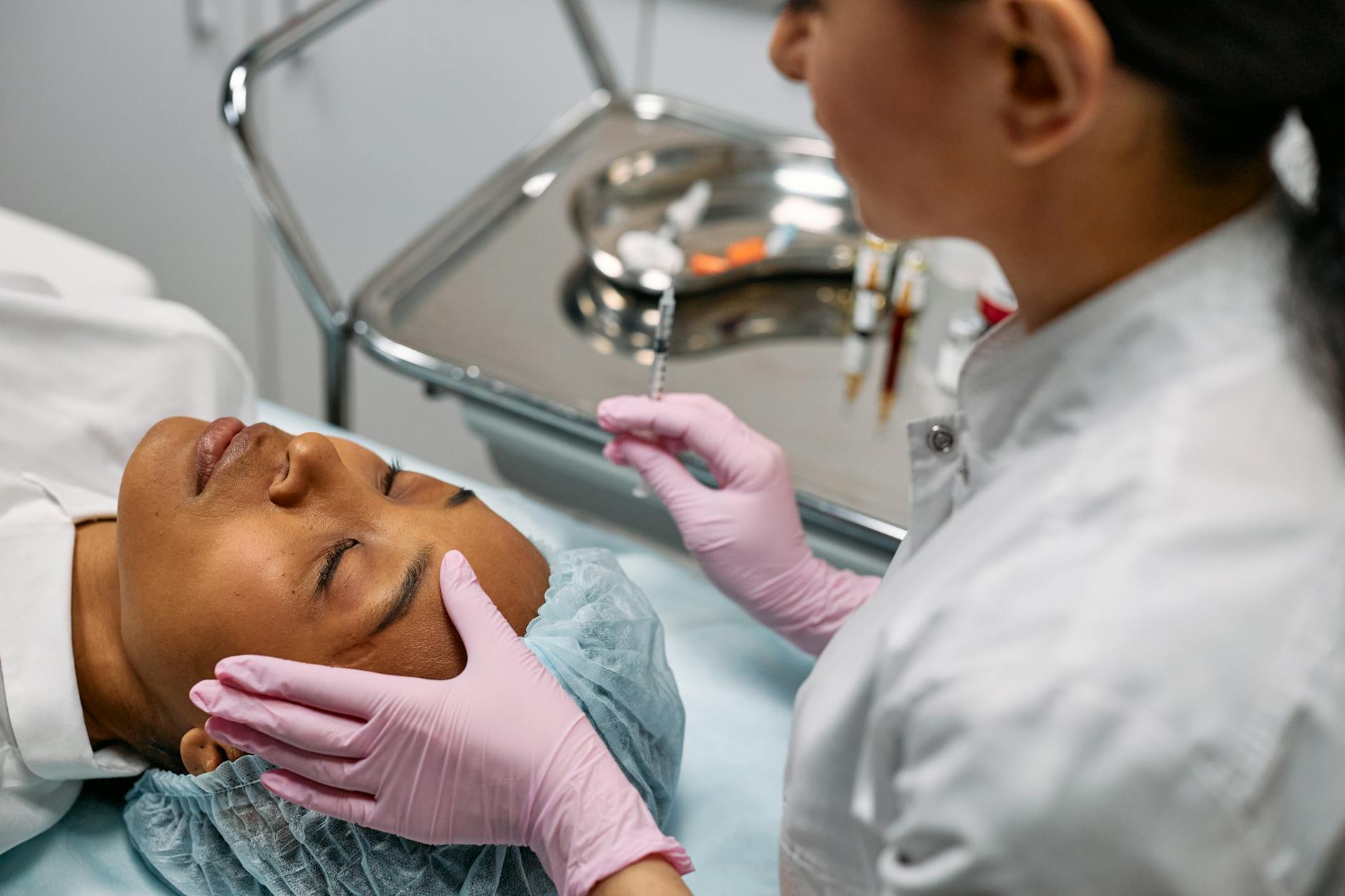
One of the most distinctive emerging partnerships involves bringing advanced treatments traditionally reserved for dermatology offices into the home. Indomo, launched by a co-founder of Hims & Hers, represents an ambitious attempt at this frontier: it’s designed to deliver at-home corticosteroid acne injections for cystic acne—a severe form that typically requires professional intervention. This product is currently pending FDA approval but signals a major shift in how dermatologists and entrepreneurs view acne treatment accessibility. The logic is compelling: severe cystic acne causes significant scarring risk and can trigger depression and social withdrawal, yet many patients cannot access in-office injections due to cost or geography. An at-home option could democratize access. However, the FDA approval process has highlighted legitimate concerns about safety when advanced treatments move outside clinical settings—patients must be properly trained and monitored.
Dr. Sandra Lee, widely known as Dr. Pimple Popper, has also exemplified the entrepreneur-dermatologist partnership model through product collaborations with various brands, leveraging her clinical credibility and massive social media following to validate new acne treatments. This has created a feedback loop: dermatologists with strong patient communities can provide early testing and testimonial data for new products, while brands gain the credibility that comes with dermatologist endorsement. The limitation here is visibility—not all dermatologists have Dr. Lee’s platform, so partnerships often remain invisible to the average acne patient unless they actively seek them out.

How Gender and Age Are Reshaping Partnership Strategies
The data on gender disparities in acne prevalence and dermatology-seeking behavior has directly influenced partnership design. Because women visit dermatologists 2.5 times more often than men for acne, many dermatologist-brand partnerships explicitly target women’s specific concerns—hormonal acne, rosacea overlap, and the psychological impact of adult breakouts. This has created an interesting market dynamic: brands are increasingly designing for adult women experiencing acne in their 30s and 40s, not just teenagers, which requires different formulations and messaging. Menopausal acne represents a particularly notable emerging concern that’s driving new partnerships.
As women enter perimenopause and menopause, hormonal shifts trigger acne that is fundamentally different from teenage or early-adult acne—it’s often accompanied by increased skin sensitivity, reduced barrier function, and significant emotional distress because it’s unexpected. Dermatologist-brand partnerships are now specifically addressing this demographic with treatments that account for hormonal factors while avoiding ingredients that can irritate aging skin. The tradeoff is real: a powerful acne treatment designed for a 20-year-old may be too harsh for a 50-year-old experiencing menopausal breakouts, so customization matters. This has led dermatologists to partner with brands that can offer flexible, modular treatment approaches rather than one-size-fits-all solutions.
The Role of Clinical Evidence in Partnership Credibility
A defining characteristic of dermatologist-brand partnerships is an emphasis on clinical evidence and research backing. The global acne medicine market is populated by nine leading companies, and competition is increasingly driven by claims of clinical superiority rather than marketing alone. PCA Skin’s emphasis on clinical research is not unique—it’s now a baseline expectation. Dermatologists who partner with brands typically demand published studies, rigorous testing protocols, and third-party validation before they attach their names or recommendations to products.
However, a significant limitation exists: clinical evidence doesn’t always translate to real-world success for individual patients. A study showing that 70% of users experienced improvement still means 30% saw little benefit. Dermatologist-brand partnerships sometimes downplay this variability in their marketing, focusing on success stories and trial results while de-emphasizing the diversity of patient outcomes. Additionally, clinical trials for skincare products are typically shorter than trials for prescription medications, and they often include motivated participants who follow instructions precisely—conditions rarely met in real-world use. Patients should approach even dermatologist-endorsed products with realistic expectations and be prepared to adjust their regimen if results don’t materialize within 6 to 8 weeks.

Market Consolidation and the Rise of Medical-Grade Retail Brands
The acne market is experiencing rapid consolidation, with dermatologist-founded or dermatologist-partnered brands carving out significant market share. Brands like Facile gaining entry to Sephora stores represents a pivotal moment—clinical credibility is now compatible with mainstream retail distribution.
This is advantageous for consumers because it means dermatologist-endorsed products are increasingly accessible without requiring a prescription or specialized medical-grade skincare retailer. The downside is that accessibility can breed overconsumption: patients now have easy access to powerful actives without always receiving professional guidance on how to use them or when to stop if they’re causing irritation.
What’s Next—Innovation Pipelines and the Future of Acne Treatment
The partnership trend between dermatologists and skincare brands shows no signs of slowing. Emerging technologies like the Sanofi mRNA vaccine, fixed-dose combination topicals, and AI-powered personalization are in various stages of development and commercialization.
The natural trajectory suggests that future acne treatment will be increasingly personalized—guided by genetic testing, skin microbiome analysis, and AI assessment—and less reliant on universal protocols. Dermatologists will likely partner with tech companies and biotech firms as much as with skincare brands, creating hybrid solutions that blend in-office treatment with at-home maintenance and digital monitoring. This evolution promises more effective treatment for more people, but it will also likely mean higher costs and more complex decision-making for patients trying to navigate their options.
Conclusion
Dermatologists are partnering with skincare brands to tackle adult acne’s explosive growth not simply as a business opportunity, but as a clinical necessity. With global acne incidence rising 66.6% in three decades and adult women experiencing persistent acne well into their 40s, the traditional dermatology office visit model is insufficient to meet demand. These partnerships produce medical-grade products, cutting-edge innovations like mRNA vaccines and AI-powered diagnostics, and treatment approaches that reflect current research rather than outdated formulations. The best outcome from these collaborations is increased access to effective, evidence-based acne treatment tailored to the complexities of adult skin.
However, partnership proliferation also requires patient discernment. Not all dermatologist-endorsed products will work for your unique skin, and clinical efficacy in trials doesn’t guarantee personal success. The most productive approach is to consult with your own dermatologist about which of the growing array of dermatologist-partnered products makes sense for your particular acne presentation, and to establish realistic timelines for improvement—typically 6 to 8 weeks minimum. With proper guidance and realistic expectations, dermatologist-brand partnerships represent genuine progress in addressing an epidemic that affects hundreds of millions of adults worldwide.