
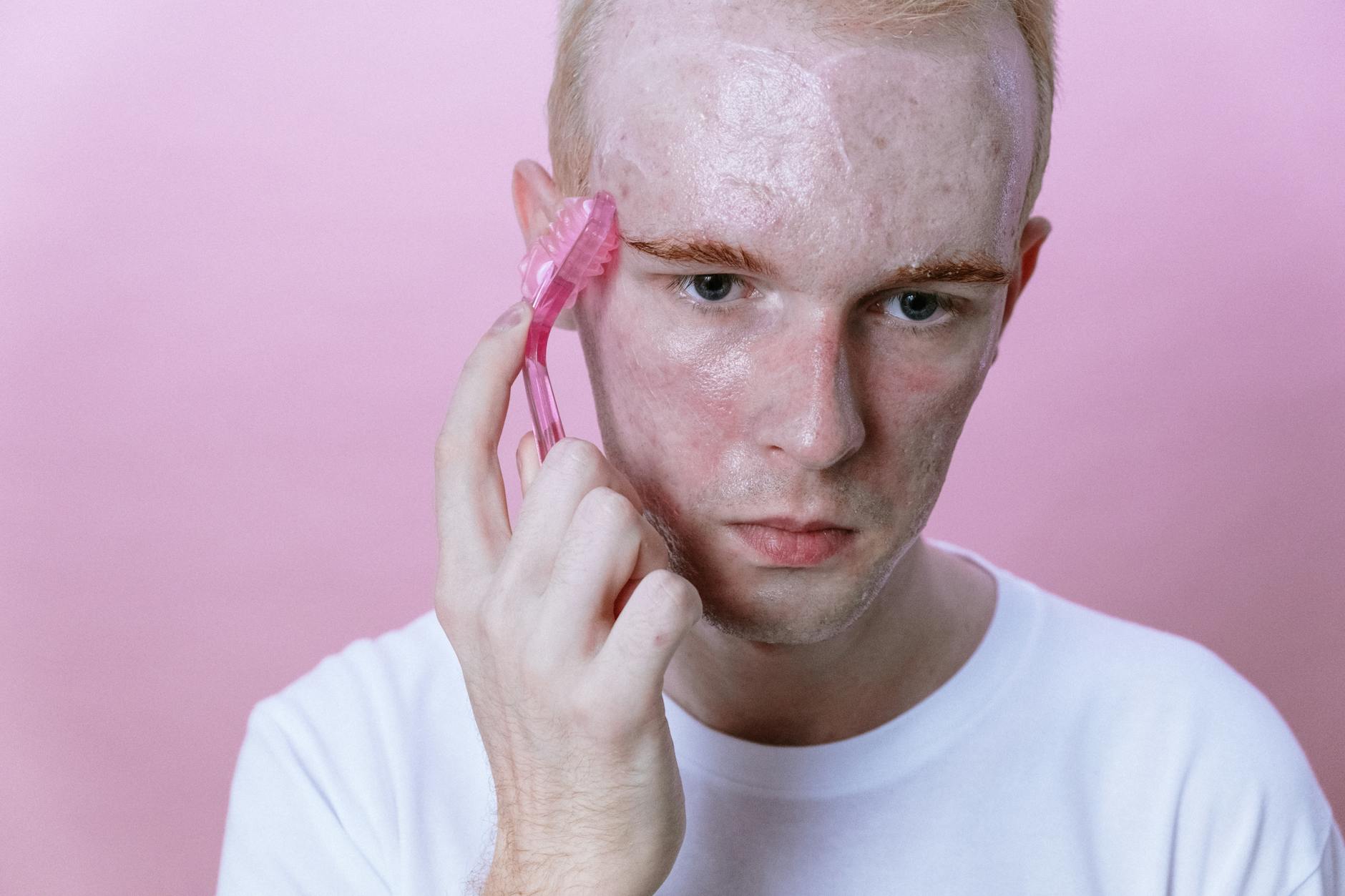
Sculptra Aesthetic works on widespread acne scarring by stimulating your body’s natural collagen production over time, gradually raising depressed scars and improving skin texture from within. Unlike laser treatments that work surface-level or fillers that provide temporary results, Sculptra addresses the root cause of atrophic (indented) acne scars by triggering your own collagen-building process—a mechanism that can significantly smooth out the kind of widespread pitting and rolling scars that develop across large areas of the face and body. For someone with moderate-to-severe acne scarring across their cheeks and chin, Sculptra can deliver meaningful improvement where other treatments have fallen short, though it requires patience since results develop gradually over 3-4 months rather than instantly. This article explores how Sculptra achieves this, what results you can realistically expect, how it compares to other scar treatments, and whether it’s the right choice for your situation.
Table of Contents
- How Does Sculptra Aesthetic Actually Treat Depressed Acne Scars?
- Why Sculptra Works Better for Some Scar Types Than Others
- What Results Can You Realistically Expect from Sculptra?
- How Sculptra Compares to Laser, Microneedling, and Other Scar Treatments
- Common Complications and Limitations You Should Know About
- Why Skin Type and Post-Treatment Care Matter for Sculptra Success
- Future Combinations and Long-Term Outlook for Sculptra in Acne Scar Treatment
- Conclusion
- Frequently Asked Questions
How Does Sculptra Aesthetic Actually Treat Depressed Acne Scars?
Sculptra is made from poly-L-lactic acid (PLLA), a biocompatible material that your body absorbs naturally while stimulating fibroblasts—the cells responsible for producing collagen. When injected into and around atrophic scars, Sculptra doesn’t fill the scar like a traditional filler would; instead, it acts as a scaffold that encourages your skin to rebuild itself over weeks and months. The mechanism is particularly effective for acne scarring because these scars are fundamentally a deficit of collagen and elastin in the dermis layer, and Sculptra addresses that deficit directly by prompting new collagen synthesis.
A patient with deep, widespread pitted scars across both cheeks might see gradual elevation of the scar floor as new collagen develops, potentially reducing the shadow effect that makes scars visible in certain lighting. The treatment typically involves 2-3 sessions spaced 4 weeks apart, with results continuing to improve for several months after the final injection. Unlike hyaluronic acid fillers that work immediately but fade within 6-12 months, Sculptra’s results can persist for two years or longer because the collagen your body produces is part of your actual skin tissue. However, if you’re looking for the instant gratification of seeing your scars elevated the moment you leave the office, Sculptra is not that treatment—you’ll notice gradual softening and smoothing rather than dramatic immediate change.

Why Sculptra Works Better for Some Scar Types Than Others
Sculptra is most effective on atrophic (indented or sunken) acne scars, which make up the majority of severe acne scarring cases. These scars—including ice-pick, rolling, and boxcar varieties—respond well to collagen stimulation because the problem is literally missing tissue that Sculptra helps your body replace. However, if your acne scarring includes hypertrophic or keloid scars (raised rather than depressed), Sculptra would actually make them worse by adding more collagen to an area that already has excessive scar tissue.
This is a critical limitation: before pursuing Sculptra, you need accurate identification of your scar type, which is why consultation with a dermatologist or specialist is essential, not optional. Sculptra also works best on larger surface areas of diffuse scarring rather than isolated deep pits, because the PLLA particles distribute throughout the treatment zone and stimulate collagen broadly. Someone with widespread pitted texture across their entire cheek might see impressive results, while someone with a few isolated ice-pick scars might find that targeted deeper treatments like punch excision or subcision are more effective for those specific spots. The depth of your scars also matters—extremely deep scars may require combination therapy where Sculptra is used alongside another treatment like microneedling or laser, rather than as a standalone solution.
What Results Can You Realistically Expect from Sculptra?
Most patients report 30-50% improvement in scar appearance after completing the full Sculptra series, with the most dramatic results visible 3-4 months after the final injection when collagen production has fully ramped up. This translates to scars appearing softer, less shadow-like, and the overall skin texture becoming smoother and more refined. A patient with rolling scars across their jawline, for example, might find that the undulating pattern becomes less pronounced and the skin appears more contoured rather than dramatically pitted. However, “improvement” doesn’t mean “erasure”—even with excellent results, acne scars rarely disappear completely with Sculptra alone, especially if they’re very deep or numerous.
The timing of results can be frustrating for people accustomed to instant cosmetic changes. You might not see noticeable improvement until 6 weeks after your first injection, and the full benefit requires waiting until weeks after your final treatment. Some patients describe the experience as watching their skin gradually improve over a period of months, which can be psychologically different from seeing a dramatic before-and-after the day of treatment. Touch-up treatments can extend results beyond the typical 2-year window, making Sculptra a commitment to ongoing maintenance rather than a one-time fix.
How Sculptra Compares to Laser, Microneedling, and Other Scar Treatments
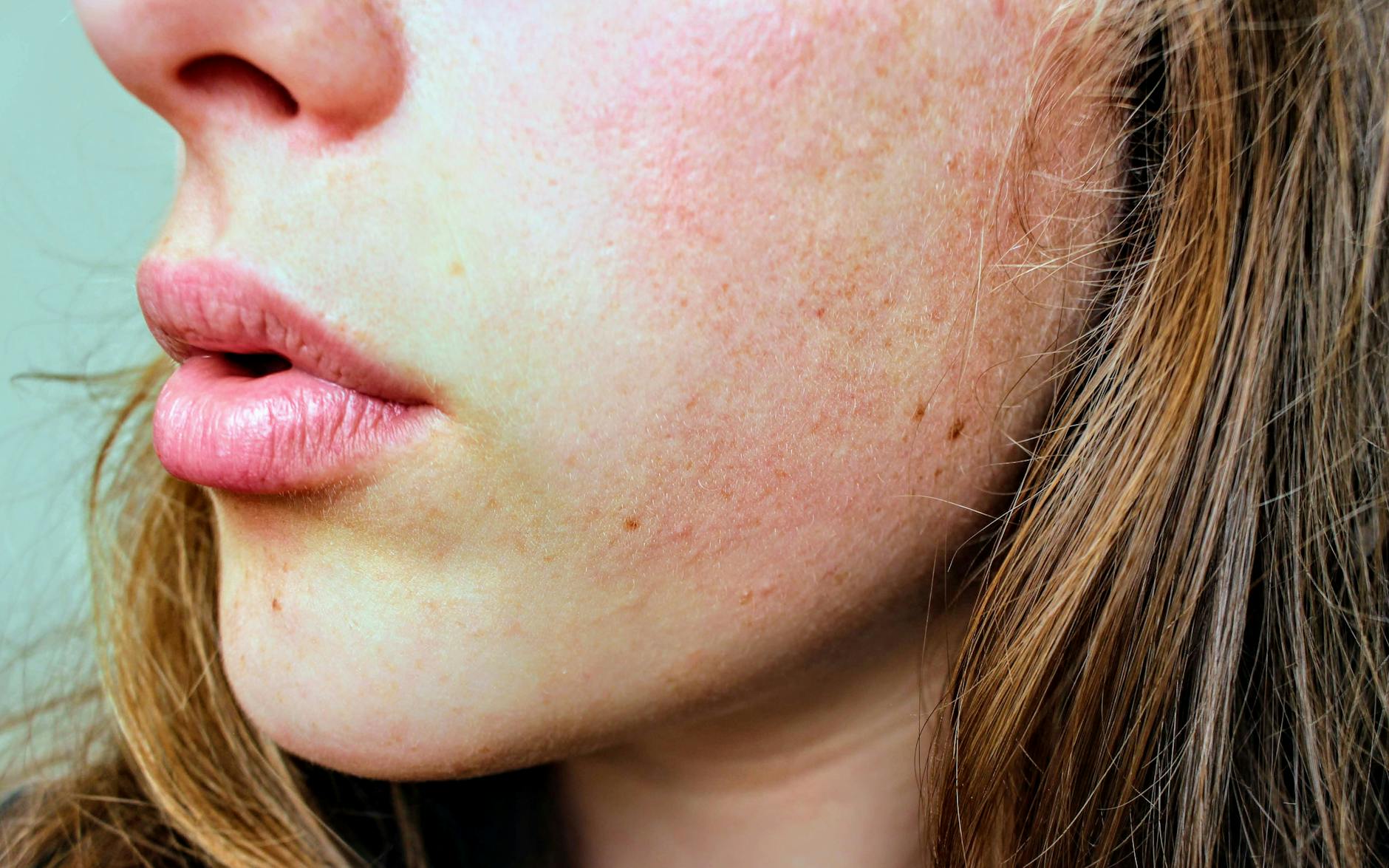
Each acne scar treatment uses a different mechanism, and the right choice depends on your scar type, pain tolerance, downtime availability, and desired timeline. Laser treatments like fractional CO2 work by creating controlled injury to stimulate collagen remodeling and resurface the skin, delivering faster visible results (4-6 weeks) but with higher risk of redness and downtime spanning 1-2 weeks. Microneedling similarly triggers collagen through controlled injury and costs less than Sculptra, but typically requires more sessions (4-6) to match results and works best for mild-to-moderate scars. Sculptra requires fewer sessions (2-3) and creates no visible downtime, making it preferable if you can’t afford recovery time, but you’re trading instant gratification for a longer waiting period.
Chemical peels are useful for surface-level scarring and texture but don’t address deep atrophic scars effectively. Subcision—a procedure where a needle is used to break scar tissue underneath the skin—can be combined with Sculptra for severe cases, creating dramatic results but also requiring more cost and potentially more downtime. For widespread moderate scarring, Sculptra is often the practical choice because it can treat large surface areas in 2-3 sessions without requiring recovery time, whereas laser might need 8+ weeks of healing and sun restriction. The tradeoff is that you’re paying more upfront and waiting longer for results rather than experiencing faster improvement.
Common Complications and Limitations You Should Know About
Sculptra is generally well-tolerated, but nodule formation—small bumps under the skin—occurs in approximately 1-3% of patients, typically appearing weeks or months after injection. These nodules are usually benign but can be cosmetically bothersome or tender, and treating them sometimes requires additional injections or removal procedures. This risk is minimized by proper injection technique and adequate post-injection massage (your clinician should instruct you to massage the area regularly for several days after treatment), but it’s not something that can be completely eliminated. If you have a history of keloid formation or are prone to inflammatory reactions, this risk may be higher.
Additionally, Sculptra results are gradual enough that some patients become discouraged and stop treatment after the first or second session, never completing the series needed for optimal results. The “less is more” approach that makes Sculptra gentle also means you need patience and commitment—if you discontinue treatment thinking “nothing is happening,” you’ll miss the cumulative effect that makes this approach effective. Sculptra is also expensive compared to many other treatments, with a full series costing $1,500-$3,000 or more depending on the extent of scarring and number of injections needed. For patients with severe, widespread scarring, the cost may be justified, but for mild cases, less expensive options like microneedling might be more practical.

Why Skin Type and Post-Treatment Care Matter for Sculptra Success
Results from Sculptra can vary significantly based on your baseline collagen quality, age, and skin health. Younger patients with generally healthy skin tend to respond more robustly to collagen stimulation, while older patients or those with poor skin quality may see more modest results. Sun exposure, smoking, and poor skincare habits can all impair collagen production and undermine Sculptra’s effectiveness, making this a treatment that works best in the context of good overall skin health.
Someone who completes Sculptra treatment but continues heavy sun exposure without sunscreen may find their results fade faster or never fully materialize, since sun damage inhibits the very collagen-building process Sculptra is supposed to trigger. Post-treatment massage is essential for distributing PLLA particles evenly and reducing lumping risk, yet many patients skip this because they’re told it’s optional or minor. In reality, diligent massage for the first 5 days after each injection session significantly improves results. A patient who massages properly after each treatment and uses daily sunscreen and retinoids to support collagen health will likely see better outcomes than someone who does Sculptra in isolation without supporting it with complementary skin care.
Future Combinations and Long-Term Outlook for Sculptra in Acne Scar Treatment
Sculptra is increasingly being used as part of combination protocols where it’s paired with microneedling, radiofrequency, or other collagen-stimulating treatments to accelerate results and address both texture and residual scarring. A cutting-edge approach might involve Sculptra for broad collagen stimulation plus targeted laser or subcision for remaining deep scars, delivering comprehensive improvement that no single treatment achieves alone. As the field evolves, the trend is toward layered, customized approaches rather than relying on one treatment modality.
For widespread acne scarring specifically, this means Sculptra is increasingly seen as a valuable component of a larger treatment plan rather than a standalone solution. The long-term trajectory of Sculptra use shows it becoming more popular as practitioners get better at technique and patient selection improves. The treatment is particularly suited to the modern preference for minimally invasive procedures with no downtime, making it an attractive option for working professionals with significant scarring who can’t afford visible recovery. If you have widespread moderate-to-severe acne scarring and haven’t found satisfaction with other treatments, Sculptra deserves serious consideration despite its cost and timeline.
Conclusion
Sculptra Aesthetic addresses widespread acne scarring by stimulating your body’s natural collagen production, gradually raising and smoothing depressed scars over a 3-4 month period. It works best on atrophic scarring (indented or pitted scars), requires 2-3 treatment sessions, causes no visible downtime, and delivers results that can persist for two years or longer—making it a practical choice for people with significant scarring who need to maintain their appearance during treatment. However, results are gradual rather than instant, the cost is substantial, and the treatment works better as part of a comprehensive approach rather than as a standalone solution for severe cases.
If you’re considering Sculptra for acne scarring, start with a consultation from a board-certified dermatologist who can accurately assess your scar type and determine whether Sculptra alone is appropriate or whether combining it with other treatments would be more effective. Ask specifically about the clinician’s experience with acne scarring (not just general volumization), their complication rates, and realistic expectations for your skin. Photograph your scars from consistent angles and lighting before treatment so you can accurately track improvement over the months ahead, since the gradual nature of results can sometimes make progress hard to perceive day-to-day.
Frequently Asked Questions
How long does it take to see results from Sculptra for acne scars?
Most patients begin noticing subtle improvement around 6 weeks after their first injection, with more noticeable results emerging 2-3 months after the final injection. Full results typically become apparent 3-4 months after completing the treatment series.
Can Sculptra make acne scars worse?
If your scars are raised (hypertrophic or keloid scars) rather than depressed, Sculptra can make them worse by stimulating additional collagen in already over-scarred tissue. This is why professional assessment of scar type is critical before treatment.
How much does Sculptra cost for acne scar treatment?
A full Sculptra series for widespread acne scarring typically costs $1,500-$3,000 or more, depending on the extent of scarring and number of vials needed. Cost varies significantly by geographic location and provider experience level.
Can you combine Sculptra with other acne scar treatments?
Yes, combining Sculptra with microneedling, laser resurfacing, or subcision often produces better results than either treatment alone, though this increases total cost and requires careful spacing of treatments to avoid overstimulation.
How long do Sculptra results last for acne scars?
Sculptra results typically last 2 years or longer because the treatment stimulates new collagen that becomes part of your actual skin tissue. Touch-up treatments can extend results indefinitely, though some maintenance may be needed.
Who shouldn’t get Sculptra for acne scars?
People with raised scars, active acne that’s still producing new scarring, very dark skin tones (higher risk of hyperpigmentation), or those seeking immediate results are generally not ideal candidates. Anyone with unrealistic expectations about 100% scar elimination should also consider other options first.