Five percent salicylic acid occupies an unusual middle ground in acne treatment””stronger than anything you’ll find approved for standard over-the-counter use, but weaker than the professional chemical peels administered in dermatology offices. The FDA approves salicylic acid concentrations between 0.5% and 2% for OTC topical acne products, while professional peels range from 10% to 50%. This means 5% formulations exist in a regulatory gray area, often marketed as “at-home peels” that require careful handling and limited skin contact times of five minutes or less. For most people dealing with everyday acne, this concentration is unnecessarily aggressive and carries a higher risk of irritation without proportionally better results.
That said, some individuals with stubborn, mild-to-moderate acne who haven’t responded well to lower concentrations may find 5% salicylic acid useful as an occasional treatment rather than a daily staple. Products like Dermalure Salicylic Acid Peel 5% are available for home use, but they come with strict instructions””including rinsing with cold water promptly and avoiding prolonged skin contact. The key distinction here is between leave-on treatments (where 2% is the ceiling for good reason) and wash-off peels where slightly higher concentrations may be tolerated briefly. This article explores how 5% salicylic acid compares to standard concentrations, what the science says about its effectiveness, who might benefit from it, and the safety considerations you need to understand before trying a higher-potency formula. We’ll also cover how salicylic acid works at the molecular level and what realistic results you can expect from any concentration.
Table of Contents
- Why Does Salicylic Acid Concentration Matter for Acne Treatment?
- How 5% Salicylic Acid Differs From Standard OTC Formulations
- What the Clinical Research Shows About Salicylic Acid Efficacy
- Who Should Consider 5% Salicylic Acid””And Who Should Avoid It
- Understanding the Safety Limitations of High-Concentration Acids
- The Future of Targeted Acne Treatments
- Conclusion
Why Does Salicylic Acid Concentration Matter for Acne Treatment?
salicylic acid is a beta-hydroxy acid, meaning it’s oil-soluble and can penetrate into sebum-filled pores in ways that water-soluble acids cannot. This lipophilic property allows it to dissolve the keratinized debris and excess oil that clog follicles and create comedones””the technical term for blackheads and whiteheads. At concentrations of 1% and above, salicylic acid exhibits keratolytic activity, which means it actively promotes the shedding of dead skin cells. Push that concentration to 20% or higher, and the acid becomes caustic, capable of causing chemical burns. The FDA’s decision to cap OTC concentrations at 2% reflects a balance between efficacy and safety for unsupervised daily use.
Clinical research supports this threshold: a 2025 study involving 42 participants found that salicylic acid gel reduced sebum levels by 23.65% and improved acne severity scores by 23.81% over 21 days””results achieved without venturing into higher-concentration territory. The study also showed a 40.5% increase in skin hydration, countering the common assumption that all acids are purely drying. However, the concentration that works depends heavily on how the product is formulated and used. A 5% wash-off peel applied for three minutes may deliver less actual acid exposure than a 2% leave-on serum worn overnight. This is why blanket statements about concentration can be misleading””formulation, pH (which should ideally be between 3 and 4 for effectiveness), and contact time all influence the final outcome.
How 5% Salicylic Acid Differs From Standard OTC Formulations
Standard drugstore acne products containing 0.5% to 2% salicylic acid are designed for daily use with minimal supervision. You can apply them morning and night as part of a regular routine without significant risk of adverse reactions for most skin types. Five percent formulations require a fundamentally different approach: they’re meant to be used sparingly, often weekly or bi-weekly, with strict time limits on how long they remain on the skin. The practical difference becomes clear when you compare instructions. A typical 2% salicylic acid serum might say “apply to clean skin and follow with moisturizer”””no rinse required.
A 5% peel product typically warns against skin contact exceeding five minutes and instructs users to neutralize or rinse with cold water. This isn’t marketing caution; it reflects the genuine increase in irritation potential. When high-potency formulas are sold online without proper instructions, the risk of serious side effects””including burns, prolonged redness, and post-inflammatory hyperpigmentation””increases substantially. If you’ve been using 2% salicylic acid consistently for eight weeks or more without seeing improvement, the instinct to reach for something stronger is understandable. But the jump to 5% should be approached as an escalation with tradeoffs, not simply a more effective version of what you were already using. For many people, the better path forward involves adding complementary ingredients like benzoyl peroxide or consulting a dermatologist about prescription options rather than increasing acid concentration.
What the Clinical Research Shows About Salicylic Acid Efficacy
The evidence base for salicylic acid’s acne-fighting abilities is solid, though most clinical trials focus on concentrations within the FDA-approved range rather than 5% specifically. Research consistently shows that salicylic acid works best for mild acne characterized by blackheads and whiteheads””the non-inflammatory lesions that form when pores become clogged. For inflammatory acne with red, swollen pimples, salicylic acid alone is often insufficient. Studies comparing salicylic acid peels to glycolic acid peels have found that salicylic acid produces sustained effectiveness at two months post-treatment with fewer side effects. This is notable because it suggests that the benefits of properly administered salicylic acid treatment persist beyond the immediate application period.
The 2025 clinical study mentioned earlier found that only 5% of participants reported mild, transient itching””a remarkably low incidence of side effects for an active treatment. One important caveat: visible improvement from salicylic acid typically takes six to eight weeks to become noticeable. This timeline applies regardless of concentration. Using a 5% formula won’t meaningfully accelerate results compared to a 2% product used consistently, but it will increase the likelihood of irritation during that waiting period. Patience with a gentler formulation often yields better outcomes than impatience with an aggressive one.

Who Should Consider 5% Salicylic Acid””And Who Should Avoid It
The ideal candidate for 5% salicylic acid is someone with oily, resilient skin who has already established tolerance to lower concentrations and is dealing with stubborn comedonal acne that hasn’t responded to standard treatments. This describes a relatively narrow population. If you have sensitive skin, rosacea, eczema, or any condition that compromises your skin barrier, 5% salicylic acid is likely to cause more problems than it solves. Compare this to who benefits from 2% formulations: essentially anyone with mild acne and normal-to-oily skin can use these products daily with appropriate moisturization. The tradeoff with higher concentrations is that you’re accepting increased risk of dryness, peeling, burning, and stinging in exchange for marginally deeper exfoliation.
For most people, this tradeoff doesn’t make sense when lower concentrations already deliver clinically meaningful results. Certain situations warrant extra caution. If you’re using retinoids, other exfoliating acids, or benzoyl peroxide, adding 5% salicylic acid creates a significant risk of over-exfoliation and barrier damage. Pregnant individuals should consult their healthcare provider before using any salicylic acid product, particularly at higher concentrations. And if you’ve experienced adverse reactions to salicylic acid at lower strengths””persistent redness, excessive peeling, or lasting sensitivity””increasing the concentration will almost certainly make things worse.
Understanding the Safety Limitations of High-Concentration Acids
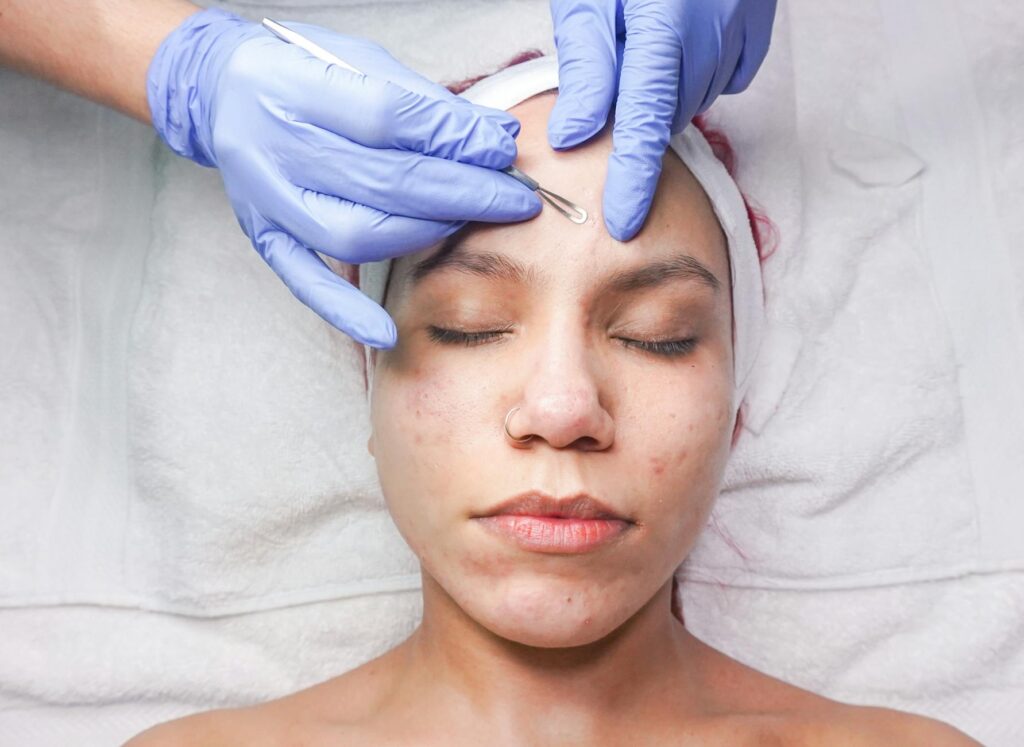
The gap between 2% (maximum OTC) and 10% (minimum professional peel) exists for good reason. Professional chemical peels are administered in controlled environments by trained practitioners who can assess skin type, monitor reactions in real time, and intervene if something goes wrong. Home-use 5% products attempt to split this difference, but they rely entirely on the user’s judgment and compliance with instructions. Common side effects at 5% include dryness, mild irritation, burning, stinging, and visible skin peeling.
These effects are dose-dependent””meaning they become more likely and more severe as concentration increases. The clinical trial finding that only 5% of participants experienced mild itching comes from studies of lower concentrations; extrapolating those safety numbers to 5% formulations would be inaccurate. International regulatory bodies have taken varying stances on salicylic acid limits. Canada approves concentrations up to 3.5% for antiseptic skin cleansers, while Japan, Argentina, and Brazil cap anti-acne treatments at 2%””aligning with FDA standards. These international limits reflect a consensus among regulatory agencies that concentrations above 2% for leave-on acne treatment carry risks that outweigh benefits for unsupervised consumer use.
The Future of Targeted Acne Treatments
The broader trend in dermatology is moving toward personalized, targeted treatments rather than one-size-fits-all approaches. Research into delivery systems that can enhance the penetration and efficacy of lower acid concentrations may eventually make high-concentration products obsolete for most users. Encapsulated salicylic acid, time-release formulations, and combination products that pair salicylic acid with soothing ingredients are already emerging as alternatives to simply increasing concentration.
For now, the fundamentals remain unchanged: salicylic acid is a proven, effective treatment for mild acne when used consistently at appropriate concentrations. The 5% threshold represents an option for specific situations, not an upgrade that everyone should pursue. As clinical research continues to refine our understanding of how beta-hydroxy acids interact with different skin types and conditions, the guidance may evolve””but the principle of using the minimum effective concentration will likely remain sound advice.
Conclusion
Five percent salicylic acid for acne is neither a miracle solution nor something to fear””it’s a tool with specific applications and genuine limitations. For the majority of people dealing with blackheads, whiteheads, and mild breakouts, FDA-approved concentrations between 0.5% and 2% provide effective treatment with a favorable safety profile. Clinical evidence supports these lower concentrations, with studies showing significant improvements in sebum levels, hydration, and acne severity scores without venturing into higher-risk territory.
If you’re considering 5% salicylic acid, approach it as an occasional treatment rather than a daily routine, follow time limits strictly, and be honest with yourself about whether your skin actually needs this level of intervention. When standard OTC products aren’t delivering results after consistent eight-week trials, consulting a dermatologist about prescription options or professional peels is often a better investment than experimenting with products that exist in regulatory gray areas. The goal is clear skin with a healthy barrier””and achieving that goal requires choosing treatments proportional to your actual skin concerns.