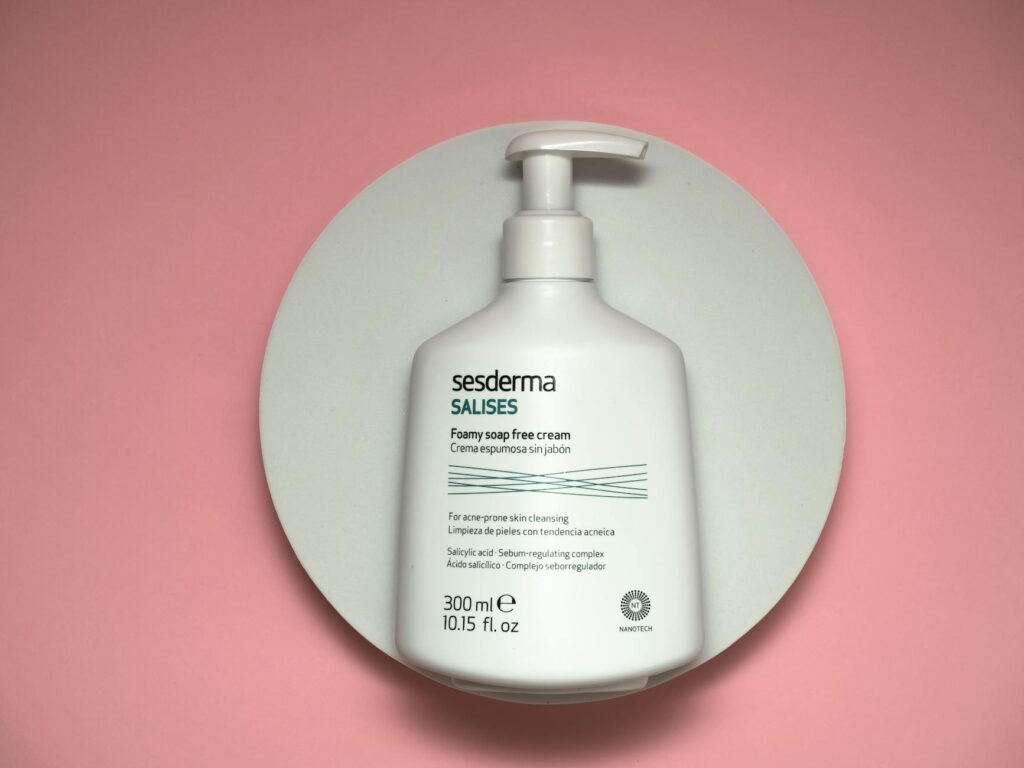
A 0.05 percent salicylic acid concentration is not effective for treating acne. This concentration falls far below the FDA-approved therapeutic range of 0.5% to 2% for over-the-counter acne treatment, making it essentially sub-therapeutic. To put this in perspective, 0.05% is ten times weaker than the minimum concentration the FDA recognizes as safe and effective for clearing breakouts. If you’ve encountered a product listing 0.05% salicylic acid and hoped it would address your acne, you’re likely looking at a formulation where salicylic acid serves as a minor ingredient rather than an active treatment””perhaps included for mild exfoliation or pH adjustment rather than genuine comedolytic action.
Consider this real-world example: a gentle facial cleanser marketed for sensitive skin might include 0.05% salicylic acid alongside other ingredients, but this amount won’t deliver the pore-clearing benefits you’d expect from a dedicated acne treatment. The desmolytic and comedolytic properties that make salicylic acid valuable for acne””its ability to dissolve the bonds between dead skin cells and penetrate into clogged pores””are concentration-dependent. At 0.05%, these mechanisms simply don’t activate with enough strength to produce meaningful results. This article examines why concentration matters so much with salicylic acid, what the research actually shows about effective levels, and how to choose products that will genuinely help your skin. We’ll also cover what to do if you have sensitive skin that reacts to standard concentrations, and when you might need to look beyond over-the-counter options entirely.
Table of Contents
- Is 0.05% Salicylic Acid Strong Enough to Treat Acne?
- What Concentration of Salicylic Acid Actually Works for Acne?
- Why Product Labels Can Be Misleading About Salicylic Acid
- When Salicylic Acid Isn’t the Right Choice
- Concentrations Above 2% and Professional Treatments
- The Bottom Line on Salicylic Acid Concentration
- Conclusion
Is 0.05% Salicylic Acid Strong Enough to Treat Acne?
No, 0.05% salicylic acid lacks the concentration necessary to treat acne effectively. The FDA classifies salicylic acid at 0.5% to 2% as Category I for acne treatment, meaning these concentrations are generally recognized as both safe and effective. Products at 0.05%””which is one-tenth of the minimum approved strength””fall outside this therapeutic window entirely. No standard over-the-counter acne products are formulated at this concentration precisely because it wouldn’t deliver results. The science behind this is straightforward.
Salicylic acid works by penetrating the lipid-rich environment of clogged pores, dissolving the sebum and dead skin cells that contribute to comedones (blackheads and whiteheads) and inflammatory lesions. This process requires a certain threshold concentration to be effective. Clinical studies demonstrating salicylic acid’s benefits for acne have consistently used 0.5% and 2% concentrations””not lower amounts. A 2025 clinical study found that 2% salicylic acid reduced sebum levels by 23.65% and improved acne severity scores by 23.81%, but no comparable data exists for concentrations as low as 0.05%. If you’ve been using a product with 0.05% salicylic acid expecting acne improvement, this explains why you may not have seen results. The ingredient is present, but not at a level that can meaningfully address breakouts.

What Concentration of Salicylic Acid Actually Works for Acne?
The effective range for salicylic acid in acne treatment spans from 0.5% to 2%, with the appropriate concentration depending on the product type and your skin’s tolerance. Cleansers and toners typically contain 0.5% to 1% because these products have brief skin contact time before being rinsed off or followed by other products. Leave-on treatments and spot treatments generally use the full 2% concentration to maximize efficacy during extended contact with the skin. Research supports the effectiveness of these concentrations.
Studies have shown that 2% salicylic acid achieves comparable results to combination treatments of 5% benzoyl peroxide with 0.1% adapalene, with one trial demonstrating 47.9% reduction in papules and pustules versus 49.8% for the benzoyl peroxide-adapalene combination. This puts properly concentrated salicylic acid on par with some of the most effective over-the-counter acne treatments available. However, if you have sensitive or reactive skin, starting at the lower end of the therapeutic range makes sense. A 0.5% leave-on product or a 1% cleanser may provide meaningful improvement without the irritation that some people experience at higher concentrations. The key distinction is that even these gentler options are still ten times stronger than 0.05%””they remain within the range where the ingredient actually functions as intended.
Why Product Labels Can Be Misleading About Salicylic Acid
Not every product that lists salicylic acid on its label is formulated as an acne treatment. Cosmetic formulations may include trace amounts of salicylic acid””including concentrations around 0.05%””for purposes other than treating breakouts. At these low levels, the ingredient might contribute to mild surface exfoliation, help adjust the product’s pH, or simply allow the brand to list a recognizable ingredient on the label. This creates confusion for consumers who see “salicylic acid” and reasonably assume the product will help with acne. Reading the actual concentration matters enormously. In the United States, products marketed specifically for acne treatment must follow FDA monograph guidelines and list active ingredients with their concentrations in a standardized Drug Facts panel. If you don’t see a Drug Facts box and can only find salicylic acid buried in the general ingredient list, the product likely contains a sub-therapeutic amount. For example, a hydrating serum might include 0.05% salicylic acid as one ingredient among many, positioned as a gentle exfoliating component rather than an acne fighter. Using this serum won’t harm your skin, but it also won’t clear your breakouts””even if marketing language implies otherwise.
## How to Choose an Effective Salicylic Acid Product Selecting a salicylic acid product that will actually work requires checking three things: the concentration, the product format, and the regulatory classification. First, verify that the concentration falls within the 0.5% to 2% range. Second, consider how long the product stays on your skin””a 2% cleanser that gets rinsed off after 30 seconds may deliver less active ingredient than a 0.5% leave-on treatment worn for hours. The tradeoff between concentration and contact time matters for practical results. A 2% spot treatment applied directly to a pimple and left overnight delivers sustained, localized treatment. A 2% cleanser used for quick face-washing provides less contact time but may still help if used consistently as part of a routine. Some dermatologists recommend using a lower-concentration leave-on product daily rather than a high-concentration wash-off product, arguing that cumulative exposure matters more than peak concentration. FDA-regulated acne products will display a Drug Facts panel listing salicylic acid as an active ingredient with its exact percentage. This is your most reliable indicator that you’re getting a therapeutic dose rather than a cosmetic trace amount. Products imported from other countries or sold as cosmetics rather than drugs may not follow these labeling requirements, making concentration verification more difficult.
When Salicylic Acid Isn’t the Right Choice
Even at proper concentrations, salicylic acid has limitations that make it unsuitable for certain acne types and skin situations. It works best for mild to moderate comedonal acne””blackheads, whiteheads, and small inflammatory papules. If you have severe cystic acne, nodular acne, or widespread inflammatory breakouts, over-the-counter salicylic acid alone probably won’t resolve the problem regardless of concentration. Salicylic acid can also cause dryness, peeling, and irritation, particularly when starting treatment or when combined with other active ingredients like retinoids or benzoyl peroxide.
People with very dry skin, eczema, or compromised skin barriers may find that even standard concentrations cause more problems than they solve. In these cases, working with a dermatologist to develop a customized treatment plan makes more sense than continuing to experiment with over-the-counter options. A warning for those tempted to compensate for weak products by applying more frequently: doubling or tripling application of a 0.05% product won’t add up to a therapeutic dose. The math doesn’t work that way, and excessive application of any product increases irritation risk without proportional benefit.
Concentrations Above 2% and Professional Treatments
Salicylic acid at concentrations above 2% and up to 5% remains in FDA Category III, meaning regulators are still evaluating whether these strengths should be approved for general over-the-counter use. Higher concentrations””sometimes called salicylic acid peels””are typically administered in professional settings by dermatologists or licensed aestheticians.
These treatments can reach 20% to 30% concentrations and require professional supervision due to increased risk of irritation, burns, and other adverse effects. For someone whose acne doesn’t respond to 2% over-the-counter products, the next step isn’t seeking out higher concentrations independently””it’s consulting a dermatologist who can evaluate whether prescription treatments, professional peels, or combination therapies might be appropriate.
The Bottom Line on Salicylic Acid Concentration
Understanding concentration requirements empowers you to make informed product choices rather than wasting money on ineffective formulations. The gap between 0.05% and 0.5% isn’t a subtle difference””it’s the difference between a sub-therapeutic trace amount and the minimum level recognized as effective. As research continues and new formulations emerge, the fundamental principle remains: salicylic acid’s benefits are concentration-dependent, and no amount of clever marketing changes the chemistry involved.
Conclusion
A 0.05% salicylic acid concentration cannot effectively treat acne because it falls far below the FDA-approved therapeutic range of 0.5% to 2%. This isn’t a minor shortfall””0.05% is ten times weaker than the minimum effective concentration, and no clinical evidence supports its use for clearing breakouts. Products containing such trace amounts may include salicylic acid for other purposes, but acne treatment isn’t among them.
To actually benefit from salicylic acid’s pore-clearing and exfoliating properties, look for products with concentrations between 0.5% and 2% that display a Drug Facts panel listing salicylic acid as an active ingredient. Choose concentrations based on your skin’s sensitivity and the product format, starting lower if you’re prone to irritation. If over-the-counter salicylic acid at proper concentrations doesn’t improve your acne after consistent use, consult a dermatologist to explore prescription options or professional treatments that may better address your specific skin concerns.